KATHMANDU, March 12: The impact of rising air pollution worldwide is increasingly being felt in Nepal. With Kathmandu recently listed among the most polluted cities in the world, Nepal Police has urged citizens to remain cautious and take preventive measures.
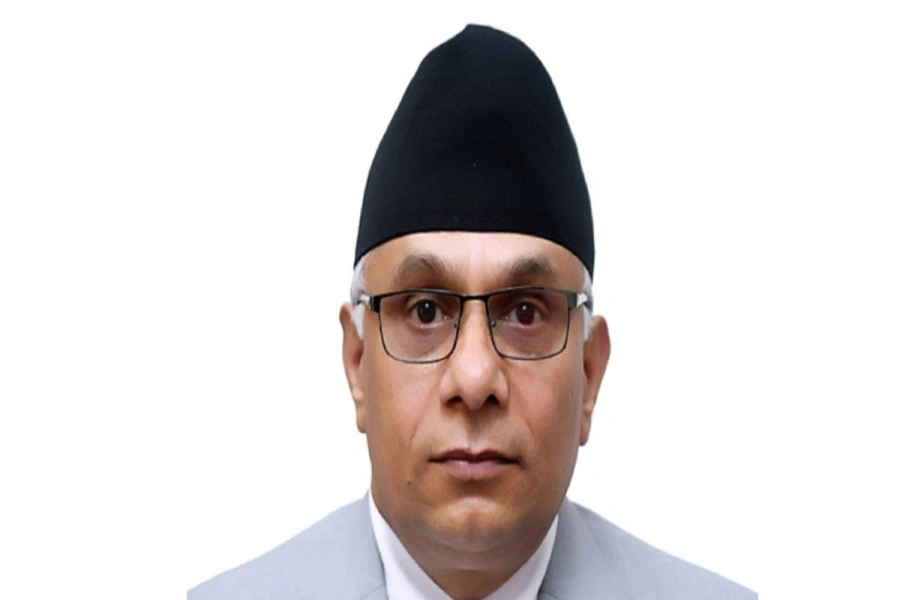
Technical Deputy Inspector General (DIG) Dr Manoj Kumar Yadav of Nepal Police Hospital highlighted the causes of pollution, its health impacts, and ways people can protect themselves.
According to him, air pollution levels have reached high levels not only in the Kathmandu Valley but also in cities such as Dhangadhi, Mahendranagar, Patan, and Thimi. Based on the Air Quality Index (AQI) system introduced by the World Health Organization (WHO) in 1996, the condition of urban areas in Nepal has recently become concerning.
Kathmandu tops global air pollution chart again

Dr Yadav pointed out that rapid urbanization and vehicle emissions are the main contributors to rising pollution. Other factors include the use of firewood and dung for cooking, forest fires, burning crop residue after harvest, and the practice of burning waste.
He also noted that pollution measured through Particulate Matter (PM) becomes particularly harmful when the PM2.5 level rises, as these fine particles cannot be filtered by the nose or respiratory tract and can enter the lungs and bloodstream.
“This can lead to lung diseases, aggravate chronic illnesses, and affect children and the elderly the most,” Dr Yadav said. He added that pollution can also increase the risk of heart attacks, strokes, and high blood pressure, especially among people with heart conditions.
To reduce risk, he advised using LPG gas or electric appliances instead of firewood for cooking indoors. When going outside, people should limit the time spent on roads and keep vehicle windows closed with the air system set to inner circulation.
Dr Yadav also recommended increasing the intake of green vegetables, vitamin C, vitamin E, antioxidants, and omega-3 fatty acids, along with maintaining regular exercise.
For protection against pollution, the use of an N-95 mask is considered the most effective. If it is not available, people should at least wear a surgical mask, which, although it cannot completely filter PM2.5 particles, still provides partial protection.