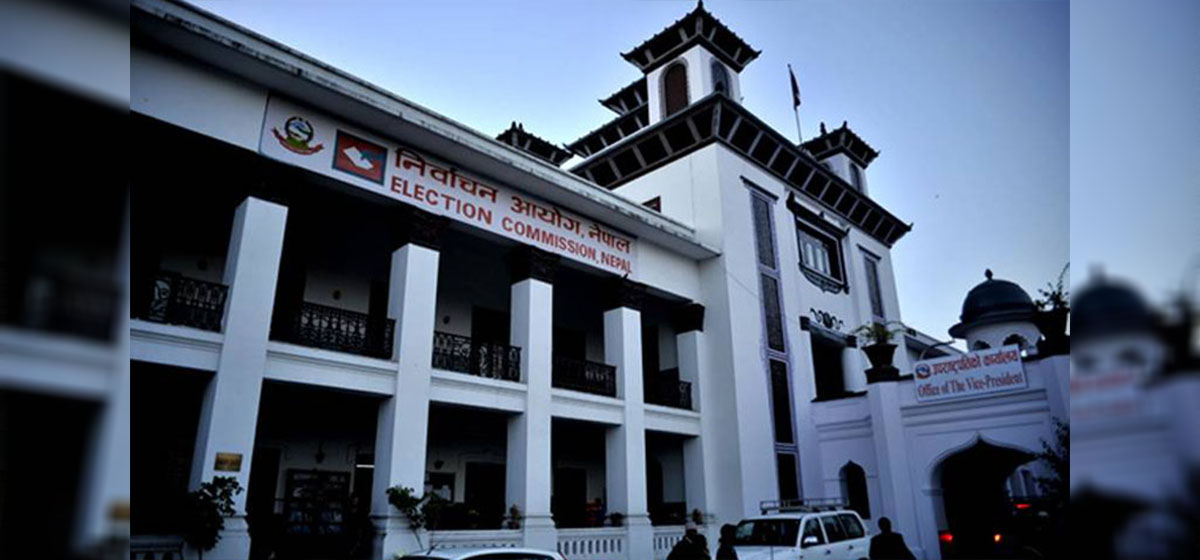
With the March 5 election drawing near, the government has doubled down on its commitment to strong security measures to make voting safe and fair. This election, like all in the past, cannot be left to chance, and the rules cannot be overlooked as this election, a mid-term one, is taking place under special circumstances. As such the Ministry of Home Affairs has stated that it would tighten surveillance at polling centers believed to be sensitive and highly sensitive ones. At the same time, the Election Commission has stepped up checks on campaign violations, false information, and hate speech. These measures have been put in place to keep all sorts of fear, pressure, and bias away from voters. Of the 10,967 polling locations nationwide, 3,680 are now under close watch, while another 4,442 are placed on the sensitive list due to past violence, tensions, or tough terrain. Alongside this, the commission has begun flagging harmful content and breaches of the code, sending hundreds of cases for action under existing laws. The Home Ministry is handling all security aspects through layered deployment of the Nepal Police, the Armed Police Force, and the Army. It is also working at the ward level with political representatives and community figures. The commission is looking after fairness, keeping tabs on false claims, abusive speech, and misuse of influence, and asking parties and candidates to answer for their actions.
EC designates seven polling centers, 14 polling stations for Na...
The security surveillance has demonstrated that highly sensitive polling centers lie in the. Madhesh Province, which alone accounts for 1,246 of them. Lumbini, Sudurpaschim, Koshi, Karnali, Gandaki, and Bagmati follow Madhesh provinces when it comes to sensitive polling stations. Even the Kathmandu Valley has areas that need closer attention, mostly in pockets that lie far away. The deployment plan is afoot considering risk and to the size of each polling unit. Local coordination matters just as much. People feel safer when they know who is responsible and where to turn if something goes wrong. Elections succeed not only because police stand guard, but because voters feel at ease walking to the booth. Meanwhile, the Election Commission’s focus on campaign conduct deserves firm backing. Many elections are damaged long before polling day through lies, targeted abuse, and organized attempts to confuse voters. By tracking hundreds of harmful posts and demanding explanations from parties and candidates, the commission is drawing a clear boundary. Speech during an election comes with responsibility. It does not cover the right to deceive or intimidate.
As any democracy heavily relies on public trust, voters must believe they can choose their representatives freely, without fear at the polling stations or booths and without distortion of information and message they receive. Strong security is a guarantee that voters’ way to polling stations remain open and safe. The enforcement of election code of conduct helps keep the voters’ choice free from any biases. If both of these elements remain absent during or before voting, the entire election will lose its meaning and objective.The March 5 election is not another date to vote but is a test of whether institutions that have responsibility to maintain safety and neutrality of election remain strong and steady even when pressure is high. Ultimately, firm enforcement of strong security and rules will make citizens and voters confident to visit polling centers to cast their votes and elect the representatives of their choice, which is indeed the core of democratic voting. Therefore, such choices of voters must be guarded.