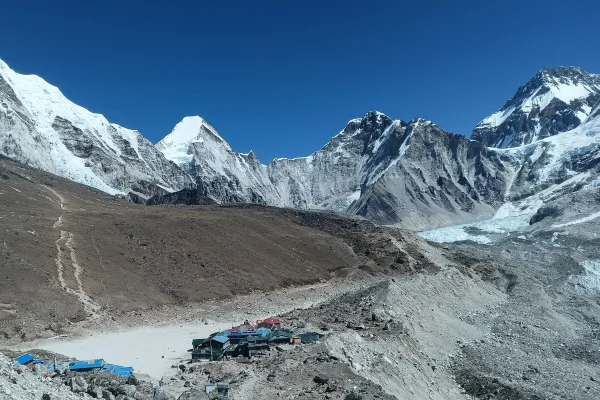
Mount Everest, standing 8,848.86 meters tall, has long symbolized permanence and awe. Yet, the mountain now tells a story of retreat and alarm. Recent studies and climbers’ observations show that glaciers near its summit and along upper ridges are shrinking faster than ever. Ice core samples reveal that snow and frost layers built up over two millennia have almost vanished within a single generation. This loss raises urgent questions about water supply, political stability, and the future of the billions who depend on mountain-fed rivers.
Researchers returning to old camps note changes far beyond surface appearances. The natural rhythm between accumulation and loss has shifted. The once-stable balance of freeze and thaw is rewriting itself. Everest, once a symbol of endurance, now acts as a thermometer measuring global warming.
Field data show this transformation in stark numbers. On the South Col Glacier, ice thickness has dropped about 55 meters in just 25 years. As snow cover thins, darker ice and exposed rock absorb more heat, accelerating melt and vapor loss. These processes feed on each other, driving faster change than early climate models predicted.
In the winter of 2024, the mean snow line around Everest rose above 6,000 meters — a sustained height rarely seen before. This rise signals a warmer, drier environment that affects how water is stored and released on the mountain. When the view widens to the entire Hindu Kush Himalaya, the pattern is even more alarming. International research teams report that glaciers across the region have receded faster in the past decade than in any earlier period. Projections suggest that glaciers feeding the Everest watershed could lose between 70 and 99 percent of their volume by 2100, depending on global warming trends. Even the lower end of this range would severely disrupt downstream water flows.
These are not distant threats. As permafrost thaws and frozen ground loses stability, the risk of landslides, avalanches, and glacial lake outburst floods (GLOFs) increases sharply. When ice retreats, it first raises flood hazards — and later reduces the steady meltwater that sustains rivers, hydroelectric dams, and irrigation systems. The danger begins locally but quickly spreads regionally when power output drops and harvests fail due to unpredictable water supplies.
Artificial Intelligence Conference: AI welcomes guests and part...

Everest acts as a “water tower” for millions. Its meltwater feeds major rivers that support agriculture and urban life across South Asia. The United Nations warns that rapid glacier loss could threaten water and food security for up to two billion people. The issue, therefore, extends far beyond mountaineering; it concerns global stability.
The economic and cultural effects are immediate. Nepali tourism and mountaineering rely on predictable weather and safe routes. As glaciers recede, climbing seasons shorten and risks increase. Sherpa communities, whose livelihoods depend on guiding and logistics, face growing uncertainty. Downstream, communities must now endure alternating floods and droughts, doubling the scale of hardship and threatening traditional practices tied to stable seasonal cycles.
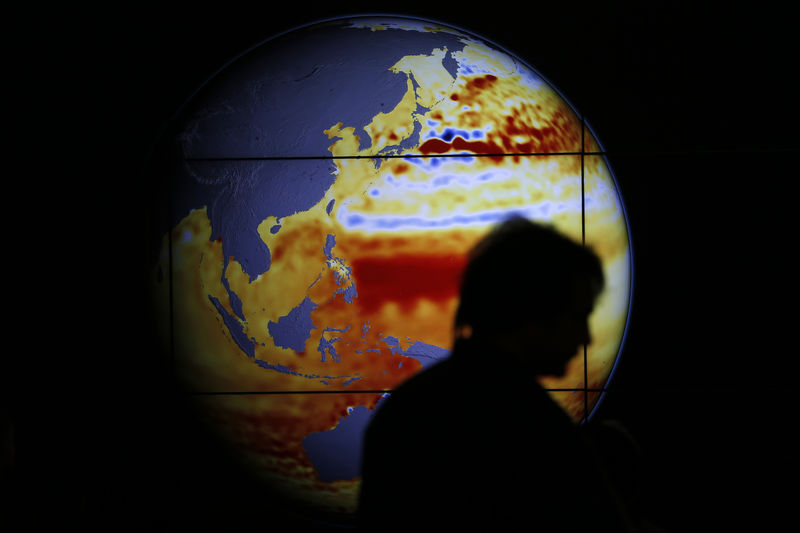
Technology, however, offers new tools to respond. Data-driven systems can combine satellite imagery, glacier mass balance measurements, weather records, and terrain analysis to create early warning frameworks for avalanches and GLOFs. Artificial intelligence (AI), when integrated with physical climate models, can produce faster and more localized forecasts. These predictive tools can help communities act before disasters strike, not after.
AI can also support other sectors. Smart grids powered by predictive algorithms can optimize hydropower generation as water levels fluctuate. Precision agriculture can reduce waste and improve drought resilience. Remote sensing can identify forest loss and greenhouse gas sources, guiding conservation efforts. Together, these technologies can help Nepal adapt to a rapidly changing mountain environment.
Yet, technology alone is not enough. AI systems depend on open, standardized, high-quality data — something still lacking in high-altitude regions. Large computational models also consume significant energy, raising the need for green computing solutions that minimize emissions. Without ethical design and inclusive governance, advanced tools risk deepening inequality rather than solving it.
A responsible strategy must therefore combine technology with ethics and collaboration. Nepal could lead by establishing a Smart Mountain Climate Hub — a national platform linking monitoring tools, data storage, and community networks. The hub could issue algorithm-driven early warnings for avalanches and glacial lake floods, protecting residents and visitors alike. Coupled with green energy projects, such as hydro and solar plants optimized through AI, it would strengthen resilience while reducing emissions.
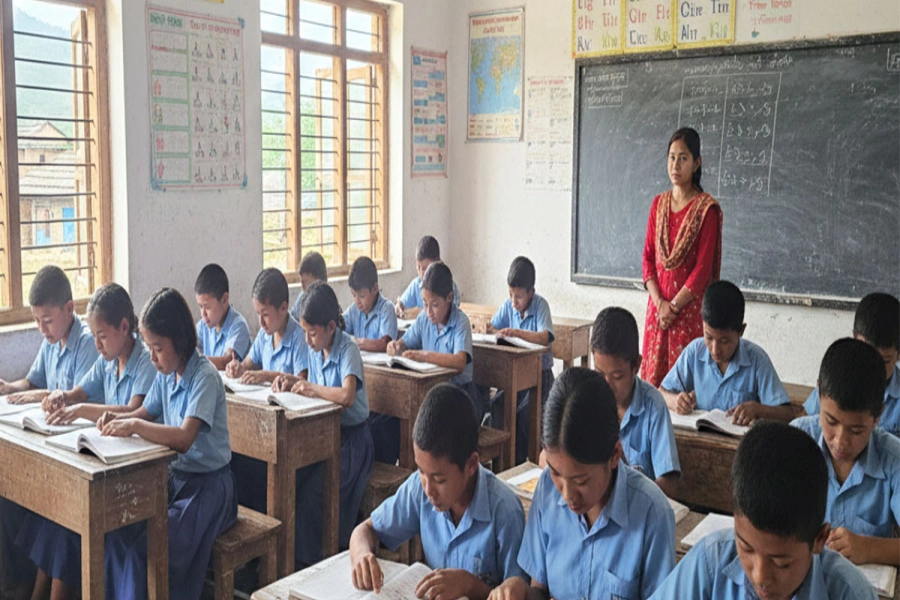
Education and diplomacy are equally vital. Regional data-sharing partnerships could improve snow and glacier monitoring across the Himalaya. Universities could expand programs in climate science, sensor technology, and remote sensing to train a new generation of Nepali experts. In this process, respect for local knowledge — especially Sherpa ecological traditions — must remain central. Communities should be active participants in decision-making, not passive subjects of research.
Climate justice must guide these efforts. Countries like Nepal, which contribute little to global greenhouse gas emissions, face some of the gravest consequences. Wealthier nations therefore have a moral and practical obligation to support adaptation, technology transfer, and climate finance. These resources must flow through transparent frameworks that prioritize local ownership and readiness.
International “AI for Climate” programs already show what is possible. They share technology, build institutions, and train people to use advanced tools responsibly. Nepal’s experience living with and protecting the Himalaya gives it a unique voice in global climate diplomacy. With strong leadership and partnerships, the country could model how technology and tradition can coexist in safeguarding the planet’s high places.
On the ground, Nepal has already shown operational readiness. Joint teams have cleared heavy snow from helicopter pads at Annapurna Base Camp and Manang, helping tourists and residents alike. These examples prove that preparedness saves lives — but also show the need for predictive systems that anticipate crises rather than merely respond to them.
The world faces a stark choice. We can continue as before, letting Everest’s ice vanish and with it the stability of billions. Or we can use science, artificial intelligence, and cooperation to reshape the outcome. With a Smart Mountain Climate Hub, open data systems, early warning networks, and ethical governance, Nepal could lead the way in protecting the Himalaya — and the rivers, cultures, and futures that depend on them.