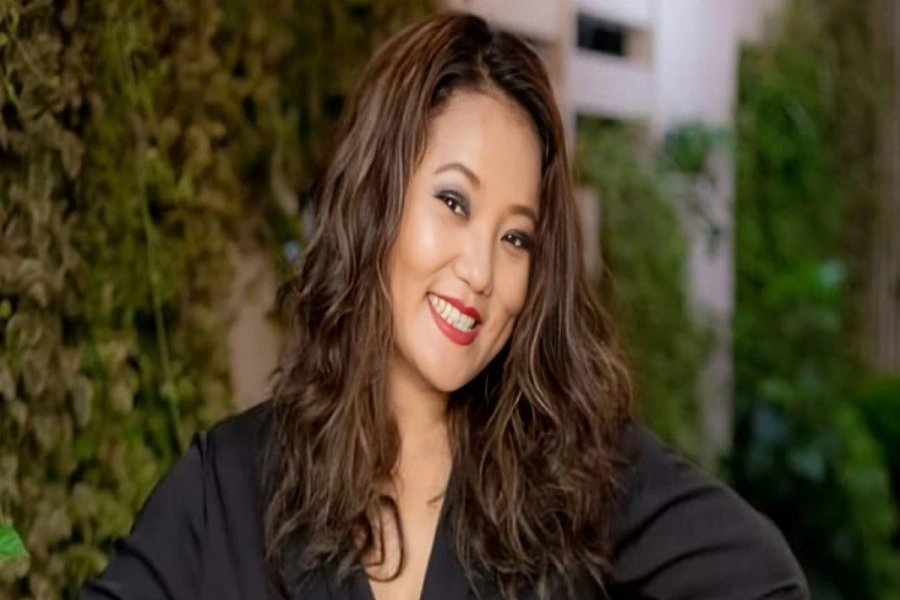
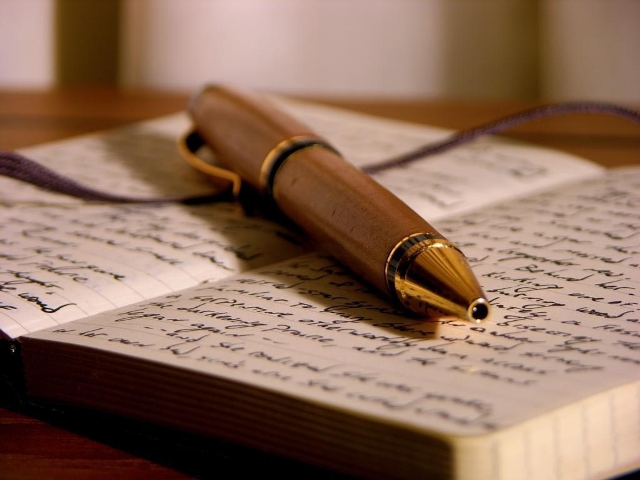
The well-known American writer and editor of The New Yorker, Random House, and Harper Collins was invited to Nepal to conduct lectures and workshops on writing and editing organized by the American Embassy in collaboration with Quixote’s Cove, Tribhuvan University, and Pokhara University. Excerpts:[break]
What’s more difficult, writing or editing?
I’ve grown to hate both of them and to love them even more. As I’ve gotten older, the requirement to concentrate on editing and writing has been more difficult. I think it’s partly because of my age, and also because once you’ve done something for a long time, you may have had enough. But I still love it because good writing and good editing have very important roles in the world. And sometimes, in an obvious way: for example, the American Declaration of Independence. It was very powerful. Like they say, a pen is mightier than a sword.
Writing is terrible for me. But once I start writing and I get into that zone, it becomes easier and I get excited about it. If you are a really good editor, you’re sort of putting on the writer’s clothes and writing the book with him. As you’re editing, you have to get into the idea of how the writer is editing his book. I would say writing is harder as the blank page is very scary. When you’re editing, the page is not blank. There’s something to work with.

What’s your opinion on the debate that the print media will go down one day?
I read an article recently where Martin Amis was asked the same question, and the writer’s answer was that print would still exist 100 years from now. He said what may happen is that electronic reading might increase and print readership might decrease. And I agree with him. I know a 10/12-year-old children who would much rather read a book than read off the internet. So I think print will continue but it may be like a boutique. Today, 30% of books are read online. Within the next 10 years, it will increase to 70%. An eBook is a different physical experience. I just think that print publishing will take a smaller world and e-publishing will expand. But a physical book is a special object.
What’s the most important thing to remember while editing?
The most important thing is to remember that you’re not the writer. If whatever you’re working on has a voice, a sensibility, then you have to remember that your job is to help make the writer make the work his/her best. You also have to know the language very well.
Do you believe that only after crossing a certain age that a writer can actually produce good work?
No. I would say that there are truly brilliant novels written by people in their 20s. There’s Allegra Goodman who sent me a story in The New Yorker when she was 24. When I read the story, I thought it was by a 45-year-old. When we found out who she was, we were all astonished. However, I think writers do their best work within the ages of 25 to 55. After that, like a therapist I know said, you lose the intensity of youth.
What’s so important about a good talk?
It’s good for your brain. Our brain’s chemistry changes when we’re conversing.. On a medical level, it’s healthy. Also, it’s in our human nature to be together and exchange information. It’s fun, it can be surprising and you can learn so much through a single conversation.
Related story
ICC T20 World Cup: England set Nepal a challenging 185-run targ...