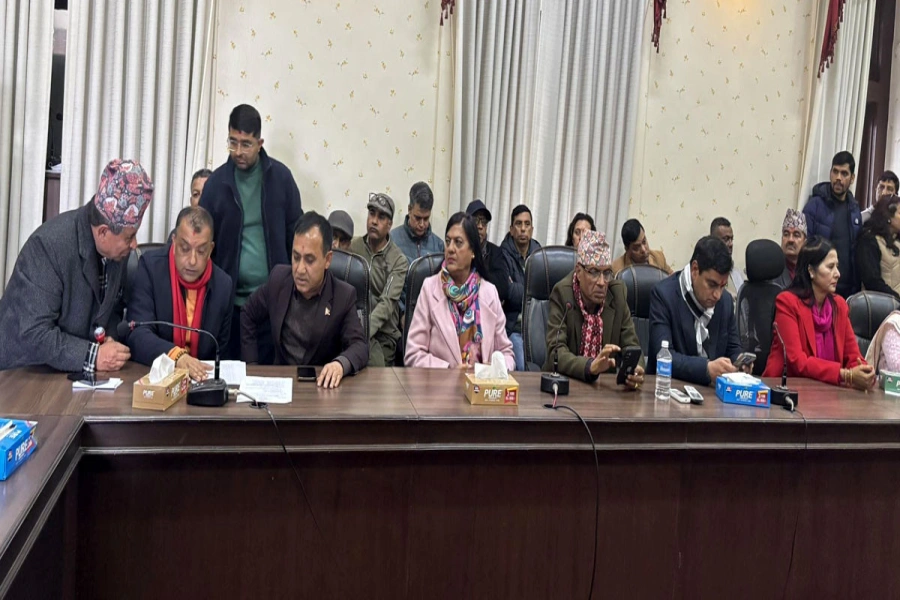
Only a few motorcycles were seen running while all buses, micro-buses, lorries and taxis remained off the road. The strike enforcers seized more than 200 motorcycles and said that they would return them after the strike. Over 1,000 vehicles operate under the committee and they travel to more than 22 districts including eastern and western Nepal from Ghorahi, Tulsipur and Lamahi of Dang.
During the emergency period the army had taken several buses, taxis, trucks and jeeps directly from the owners without consulting the committee. In 2002, Shrinath battalion, Ghorahi forcefully commandeered half a dozen vehicles. Although the vehicles were returned after the people´s movement, they were no longer in a usable condition.
According to Sitaram Varma, a transport operator, the army returned the vehicles in 2006 in critical conditions. The committee has demanded more than Rs 5 million from the army in compensation. “For the past three years we could not drive our vehicles but we kept repaying our loans and when we got them back they were in terrible conditions,” said Bharatnath Yogi, secretary of the committee. Transporters are also demanding compensation for vehicles that were torched during strikes. The committee has put in several requests for compensation but concerned authorities turned a deaf ear, said committee chairperson Jitendra Shah.
“As per the suggestions of the district security committee, we submitted their requests along with the descriptions of the damages to the home and labor ministries in December 2008,” informed Acting Chief District Officer Radha Krishna Sharma. The Transport Entrepreneurs´ Federation has threatened an indefinite strike starting September 13 if demands are not met after the two-day strike.
Related story
‘NOC brass pockets Rs 30 million from fuel transporters’