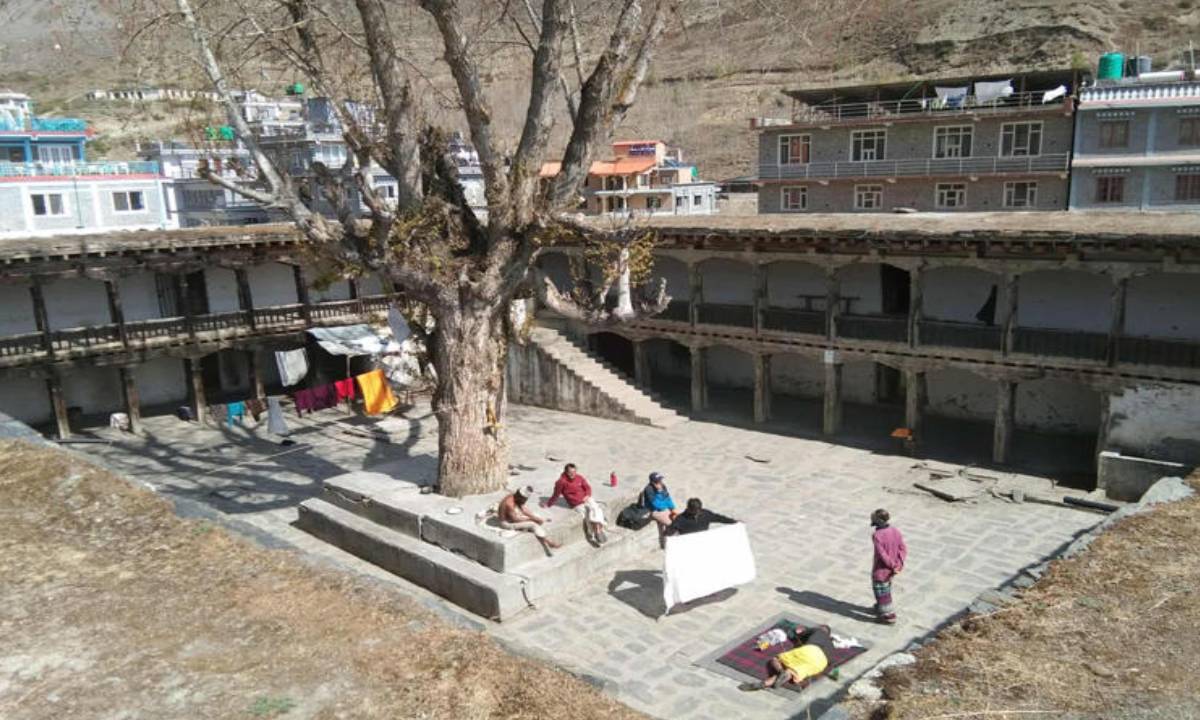
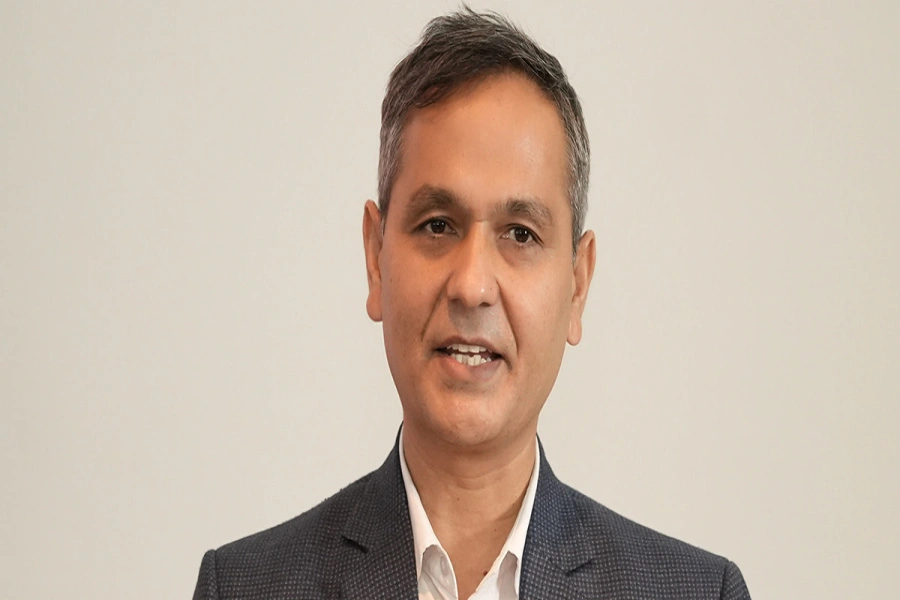
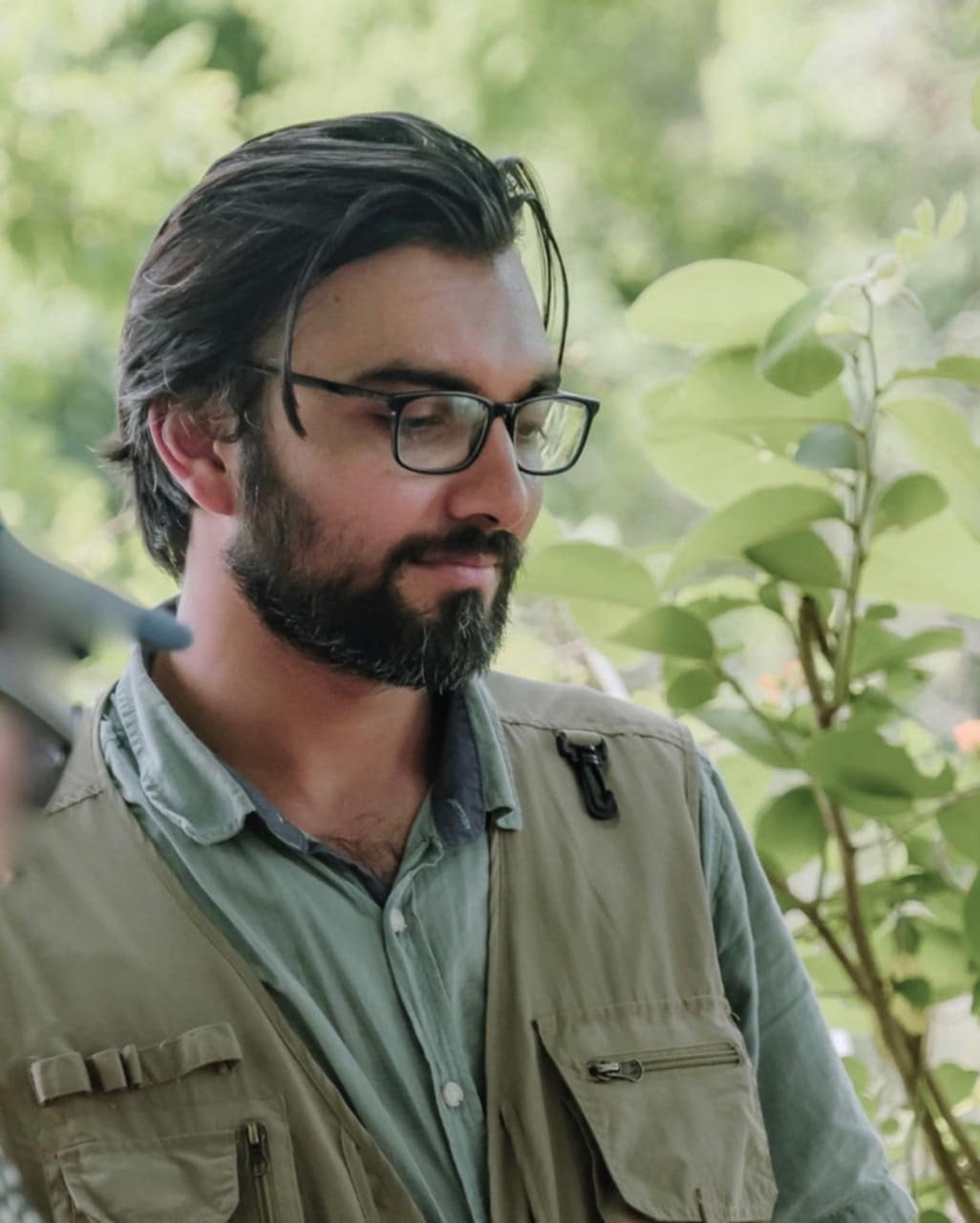
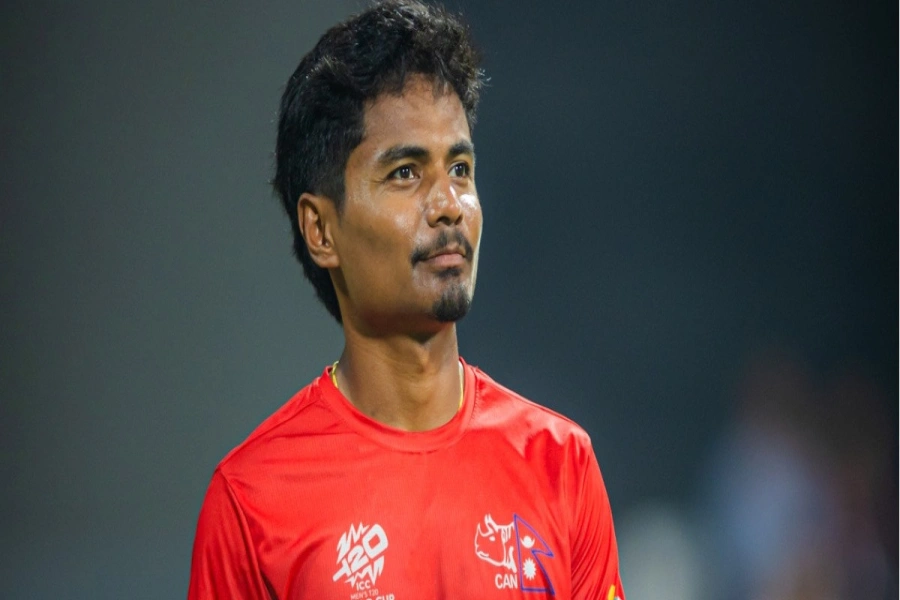
What brings Alok Tuladhar, Indra Raj Bajracharya, and Tirtha Tuladhar together in a small room inside the courtyard of the Janabahaa complex is their commitment to preserve the second most important Buddhist site in the Valley after Swayambhu -- the temple of Karunamaya Aryavalokiteswara or Seto Machindra Nath also called Janabahaa Dyo. [break]
Built by King Yaksha Malla in 1502 AD, Janabahaa Dyo is located in one of the busiest areas of Kathmandu—the junction of Indrachowk between Ason and New Road and receives nearly a thousand visitors everyday.
“The Janabahaa Society was established in 2006 under the initiation of Dr Sampurna Tuladhar, who currently lives in the UK,” says Alok, the Chief Executive Officer of NepMed International Pvt Ltd, who spends a lot of his time writing and updating a comprehensive blog on Janabahaa Society and its activities. “The goal of the Society is to create awareness about the importance of preserving the temple by involving the community, and to renovate the complex—not just physically but also spiritually,” he states.
By physical, Alok refers to the renovation of the architectural structures in the complex, from the interiors of main temple to the tiny details of the 50 plus stupas in the complex. “One of the first projects we took on was replacing the dalins (beams) inside the temple because it was more than 300 years old and was falling apart,” he says, showing pictures of people cutting down trees at the Nagarjun Forest Reserve.
“We got permission to cut down seven Chilaune trees but they were so heavy that we managed to bring back only five,” recalls Indra Kaji, a wood carver by profession and the head of the renovation team at Janabahaa Dyo. “We made 37 trips to Nagarjun!” exclaims Alok. It took almost a year to install the new dalins and was completed in April this year.
The Janabahaa Dyo resides in a 53.64 feet tall pagoda, an architectural design common to both Hindu and Buddhist temples. “Different parts of the roof were donated by several individuals, whose names have been inscribed all around the roof in Ranjana Lipi (Newari script),” puts in Tirthaji, the oldest of the trio, finally speaking in Nepali instead of Newari.
While he continues to shuffle through future renovation designs of the complex, Alok reveals, “Tirthaji lives right behind the complex and has been working for the improvement of Janabahaa, voluntarily, for more than 50 years now; he knows all the ins and outs of the temple.”
“Oh! The Pari (angel),” Tirthaji interjects, overhearing a discussion on the incongruous female sculpture erected in the front of the Janabahaa complex. The figure, clad in heavy drapes and standing in contrapposto (a posture when more weight is put on one leg), is clearly Greek. “That’s about a hundred years old. The Ranas brought it from abroad,” he casually apprises. “Everyone calls her Pari.”
The Ranas also made other changes to the complex after the fire in 1917 AD, which destroyed the entire entrance. It’s not surprising that they fancied a Greco-Roman white façade with a barrel vault and big cylindrical columns with decorative Corinthian capitals. The Society plans to change this Greek entrance to a traditional one.
“According to the new model, one will be able to see the temple from the outside,” explains Alok, showing the elevation plans made by architect Bibhuti Man Singh. Works in progress and other future plans of the Society include relocation of the Manes (prayer wheels) and Daloos (metal oil lamps), renovation of stone sculptures and replacement of marble tiles.
With its long list of renovation plans, the Janabahaa Society has a lot of fund raising to do as well.
“So far we have been lucky in terms of donations because people always come forward to donate when it’s for religious purposes,” says Alok. Currently the Society has about 200 members, with a minimal membership fee of Rs. 100, which is often waived.
In terms of spiritual renovation, Alok sheds light on the history of the Janabahaa complex, “This courtyard used to be a school for Buddhist philosophy but now they’re all residences. Our long-term hope is that this place will become a school again.”
The recent discovery of documents prepared by a Japanese team in 1988, on the temples daily rituals, has raised much excitement at the Janabahaa Society. While the documents are yet to be translated, the team hopes that it contains details on the iconography of some images and their uses in the temple.