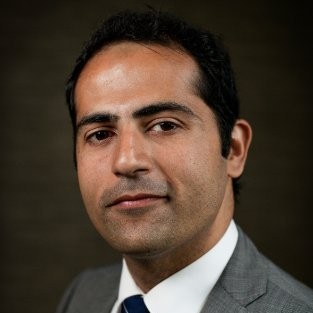
JANAKPUR, Aug 1: Home Minister Sudan Gurung on Saturday held a second round of talks with representatives of various Hindu organizations leading protests in Janakpur, as authorities stepped up efforts to defuse tensions following days of unrest in Madhesh Province.
The negotiations, which began at around 2:30 pm, lasted for more than two hours before being temporarily suspended after the two sides failed to reach an agreement.
Unlike the first round of talks, representatives from all three tiers of government participated in the latest meeting. After the initial discussions ended without a breakthrough, Gurung met Madhesh Province Chief Minister Krishna Prasad Yadav. The subsequent talks were attended by Chief Minister Yadav, Minister for Home, Communications and Law Fakir Mahato, and Finance Minister Yubaraj Bhattarai.
The protests erupted after communal tensions that began in Sunsari spread to several districts of Madhesh Province, including Janakpur, where youths affiliated with various Hindu organizations have staged demonstrations.
Home Minister Sudan Gurung holds Rs 43.1 million in share inves...

The District Administration Office, Dhanusha, lifted the curfew imposed in Janakpur on Thursday in an effort to restore normalcy. Before the restriction was withdrawn on Saturday, members of the Hindu and Muslim communities participated in a harmony rally. However, protesters criticized the event, saying it had been organized without consulting the agitating groups, and staged slogan-shouting in opposition.
Home Minister Gurung, who had arrived in Siraha on Friday, travelled to Janakpur on Saturday to resume dialogue with the protesters.
The agitating groups submitted a 12-point charter of demands, calling for the immediate arrest and prosecution of all those responsible for the recent violence, including the alleged masterminds, and the publication of the full investigation report, including the identities of those who ordered security personnel to open fire.
The protesters also demanded compensation for the family of the deceased, government jobs for one member of the bereaved family and all those injured during the protests, free medical treatment for the injured, and martyr status for the victim. They further sought action against officials accused of administrative negligence and security lapses.
Several of the demands focused on broader political and religious issues. The protesters called for a high-level investigation into mosques, madrasas, temples and monasteries, along with scrutiny of their domestic and foreign funding sources. They also demanded the restoration of Nepal as a Vedic Sanatan Hindu state, the removal of loudspeakers from mosques, and stricter oversight of religious schools.
The charter further urged the government to identify and deport what it described as Rohingya, Bangladeshi and Pakistani "infiltrators," strengthen border security, investigate citizenship certificates issued since 1990, and immediately remove Prime Minister's Adviser and Constitutional Amendment Coordinator Mohammad Asim Shah, citing national security concerns.
Talks between the government and the protesting groups were continuing at the time this report was filed.