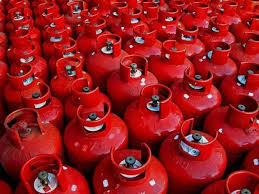
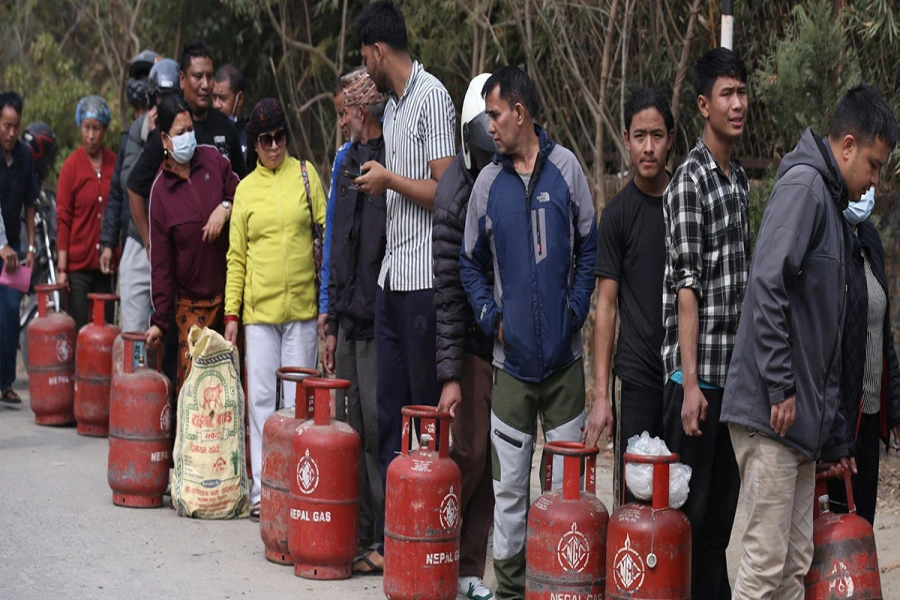
The government’s handling of the ongoing LPG shortage has exposed serious weaknesses in Nepal’s supply and distribution system, leaving consumers to endure long queues and uncertainty over whether they will get a cylinder. For an essential commodity such as cooking gas, forcing citizens to spend an entire day in line, regardless of the heat or rain, is a matter of shame for any responsible state. The government introduced a direct-sales system to ease the shortage, which has persisted for nearly a month. But while distributing gas through designated government outlets based on citizenship certificates and national identity cards may appear effective on paper, the system has proved disorderly, opaque and impractical in practice. Several people have had to return home empty-handed after waiting in line for hours. Such stories are being repeated not only in Kathmandu but across the country. Spending an entire day in line for a single cylinder, only to find that supplies have run out, is a clear sign of a failing supply-management system. Government intervention during a gas shortage is understandable. But intervention should not mean dismantling the existing distribution network and replacing it with a new, untested system. After the government began selling gas directly, dealers and retailers that had regularly supplied consumers were sidelined. This has led to unusually long queues at government outlets while local depots and dealers face shortages. By weakening a system that brings gas closer to consumers’ homes and forcing people to travel long distances with cylinders, the government has added to their hardship.
No disruption in LPG supply from India: NOC

The Gas Dealers Federation has also claimed that the situation has worsened since the regular dealer system was sidelined. Its recommendations should not necessarily be accepted wholesale, as the interests of traders and dealers may also be involved. But their concerns should not be dismissed outright. The government should determine, based on evidence and results, which system can deliver gas to consumers more quickly, transparently and equitably. If the current system continues to produce long queues, uncertain supplies and empty-handed consumers, the government should review its decision. A more fundamental question is whether Nepal is facing a genuine gas shortage or a distribution failure. According to the Nepal Oil Corporation, 54,505 tonnes of gas entered Nepal in Shrawan alone—the highest monthly import volume from India so far. Based on the standard 14.2-kg cylinder, that amounts to about 3.84 million cylinders, while the corporation’s own data puts monthly national consumption at around 3.5 million cylinders. If imports exceeded monthly consumption while shortages were still being reported, the problem may lie less with overall supply and more with distribution, storage, black marketing, artificial shortages or uneven allocation. This does not necessarily mean there is no supply shortage. The Gas Dealers Federation has claimed that imports have fallen by around 60,000 tonnes over the past four months. The government must clarify the discrepancy between the federation’s figures and the corporation’s data. It should make public how much gas was imported, how much was supplied to industries, how many cylinders were filled and sold, how much was consumed in different areas and where shortages were recorded. Without such information, assurances that supplies are improving have little meaning.
The government’s immediate priority should be management, not publicity. Consumers should not be asked to wait for hours if there is insufficient gas to serve them, nor should they be kept in line after supplies have run out. Gas distribution should be brought as close to consumers as possible. If the regular dealer and retailer system has weaknesses, the government should strengthen monitoring, address those weaknesses and take action against businesses that violate the rules. Abandoning the entire distribution network and having the state distribute cylinders from its own outlets, however, cannot be a sustainable solution. The state’s role is not to set up shops in the market but to ensure supply, establish rules, monitor the market and control irregularities. If black marketing, artificial shortages or overcharging are taking place, the government must act firmly. But effective monitoring should not mean treating every dealer with suspicion. The government should work with legitimate businesses while taking evidence-based action against those responsible for malpractice. Better coordination among gas industries, the Nepal Oil Corporation, dealers, retailers and local administrations is essential. Without it, consumers will continue to bear the greatest burden of a crisis they did not create.