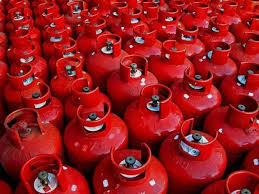
KATHMANDU, Aug 5: An acute shortage of liquefied petroleum gas (LPG) has worsened across Nepal, leaving consumers waiting up to 10 days for a refill despite government efforts to ease distribution.
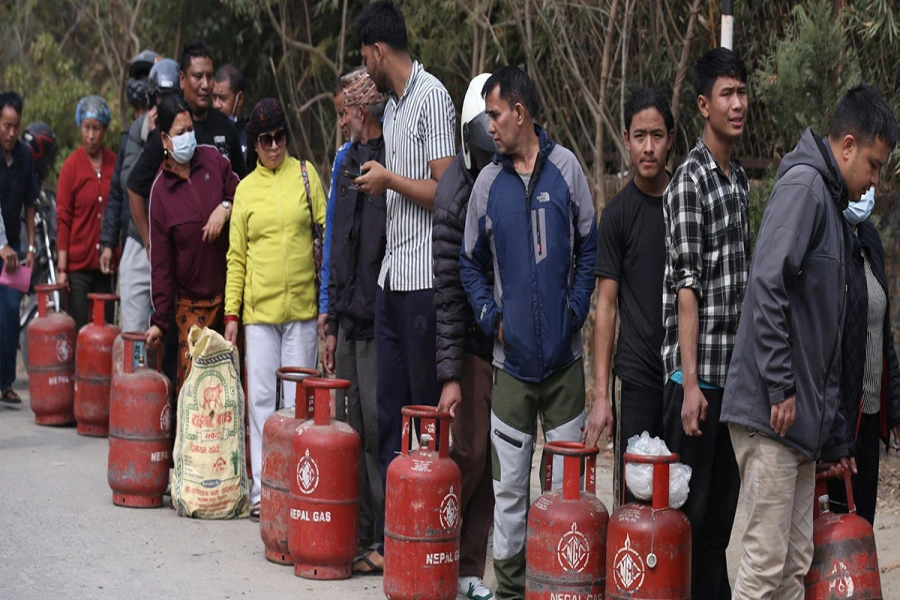
The shortage, which began last week, has intensified nationwide. In Kathmandu Valley and other major cities, many consumers say they have submitted their empty cylinders and payment but are still unable to obtain a refill. Long queues outside LPG dealers have become a daily sight as households struggle to secure cooking gas.
The Nepal Oil Corporation (NOC), the state-owned fuel supplier, has even begun distributing LPG from its own premises in Kathmandu in an attempt to reduce the backlog. Even so, the supply remains inadequate, affecting households, restaurants and hotels alike.
Unable to obtain cooking gas, many families have switched to induction stoves, while others have been forced to cook with firewood.
No disruption in LPG supply from India: NOC

NOC attributes the shortage to unnecessary stockpiling by consumers and problems in supply management. It has urged the public to buy LPG only as needed and avoid hoarding.
Consumer rights activists, however, reject that explanation. They argue the crisis stems from poor planning rather than panic buying.
Consumer rights campaigner Madhav Timilsina said people would not stand in queues for hours in the middle of the monsoon if they already had spare cylinders at home.
He accused NOC of blaming consumers to hide its own managerial failures, noting that the corporation had handled much bigger crises, including the 2015 earthquake and the India imposed border blockade, more effectively than it has managed the current transition from half-filled to full cylinders.
Timilsina also argued that Nepal's LPG sector continues to face recurring shortages because the country lacks a strong legal framework to regulate the industry.
LPG bottlers, meanwhile, blame government policy for the crisis.
Diwan Bahadur Chand, president of the Nepal LP Gas Industry Association, said the industry had recommended distributing half filled, 7.1-kilogram cylinders for only 15 days as an emergency measure. Instead, the government continued the policy for several months.
According to Chand, demand surged sharply when the system abruptly shifted back to full 14.2-kilogram cylinders, putting unexpected pressure on the supply chain.
He also said Nepal cannot immediately increase imports because LPG transport is dependent on Indian-operated bullet tankers and the import quota allocated by the Indian Oil Corporation.
Chand expressed confidence that the supply situation would normalize within 10 to 15 days.
He said monthly LPG consumption, which normally stands at around 28,000 metric tons, has already climbed to 32,000 metric tons since full cylinder distribution resumed. To meet the growing demand, daily LPG imports have been increased from around 80 to 90 bullet tankers to as many as 120, and he said the supply situation should gradually improve.