KATHMANDU, May 23: The government is preparing to reduce internet charges. It aims to lower the cost of fixed-line internet services within the next two years to ensure maximum access to the internet for Nepali citizens.
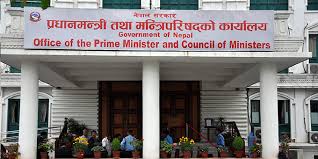
The economic reform implementation action plan prepared by the Office of the Prime Minister and Council of Ministers includes a provision to reduce internet prices. This plan aims to implement the recommendations made by the High-Level Economic Reforms Recommendation Commission, led by former Finance Secretary Rameshwar Khanal.
Additionally, a new national information technology policy will be introduced within a year to address emerging areas such as artificial intelligence (AI), robotics, and the Internet of Things (IoT). The Ministry of Communication and Information Technology (MoCIT) has been assigned the responsibility to draft and release the policy within that time frame.
PMO plans in-house software center to slash government IT costs

Within a year, the MoCIT has been assigned the responsibility to establish minimum standards for information technology infrastructure and to formulate a policy for its standardization and certification.
The government also aims to implement a unified software system within two years for similar types of services and internal office operations across various government agencies.
Additionally, the action plan mentions that within a year, the MoCIT will establish government-funded working centers in major cities targeting IT companies.
Within two years, local governments are expected to operate public transportation at night targeting individuals working in the information technology sector. The plan also includes the development of girls' hostels or housing facilities specifically for women working in such companies.
The Office of the Prime Minister has included a provision in the action plan that, within two years, all software procured by Nepal's public bodies and organized institutions must be mandatorily purchased from Nepali IT companies.
Additionally, the plan proposes that at least 10 percent of the total capital budget over the next five years be allocated for physical infrastructure in the IT sector, including workstations and IT parks.