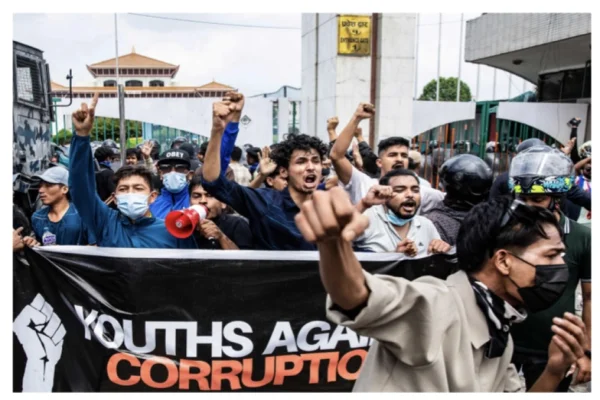
The 5 March House of Representatives (HoR) election is significant for reasons beyond electing new leaders. Nepal is undergoing epochal political shifts. Parties have been regrouping after Gen Z youths, through their massive protest, overwhelmed the political establishment and compelled everyone to rethink their political viability. The major parties have attempted to reset themselves after KP Sharma Oli’s government collapsed, while smaller groups have scrambled to remain relevant.
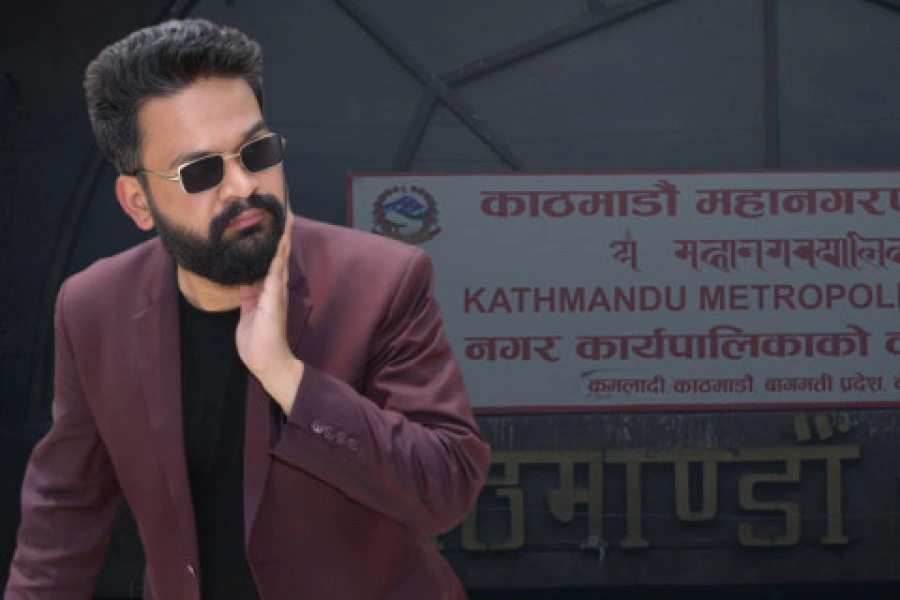
Some parties have formed working alliances, others have united with like-minded groups to create new parties, while a few have merged into larger organisations. However, parties such as the Nepali Congress and the CPN-UML have opted to go solo in the polls. Dr Baburam Bhattarai and Janardan Sharma have created a new party—the Progressive Democratic Party—while Madhav Nepal and Pushpa Kamal Dahal have combined their factions, the Unified Socialist and the Maoist Centre, to revive the Nepal Communist Party. The RSP absorbed Bibeksheel Sajha to strengthen itself just before the elections. Even Gen Z groups are joining forces. Popular figures such as Kulman Ghising and Mayor Balen Shah are reportedly in close contact to form a new political force. Ghising is said to have opened a new party—Ujyalo Nepal—but has allowed it to be led by another individual, Anup Kumar Upadhyay. All these efforts reflect attempts to remain relevant in the upcoming polls following the September Gen Z protests, which have threatened to render traditional parties, older leaders and their ideologies obsolete.
At the same time, most major parties are mired in internal disputes. The Nepali Congress is beset by tussles between the establishment and rival factions over the general convention and party leadership. The UML has witnessed tough challenges in delegate selection and preparations for its 11th General Convention, to be held on 13–15 December. KP Oli’s reign as the undisputed leader will be tested fiercely at the convention in Kathmandu. Those opposed to Oli are expected to rally behind Senior Deputy Chair Ishwar Pokharel, who will challenge him for the party chairmanship. Pokharel is expected to receive unwavering support from former President Bidya Devi Bhandari, whose entry into UML’s active politics was blocked by Oli and his loyalists.
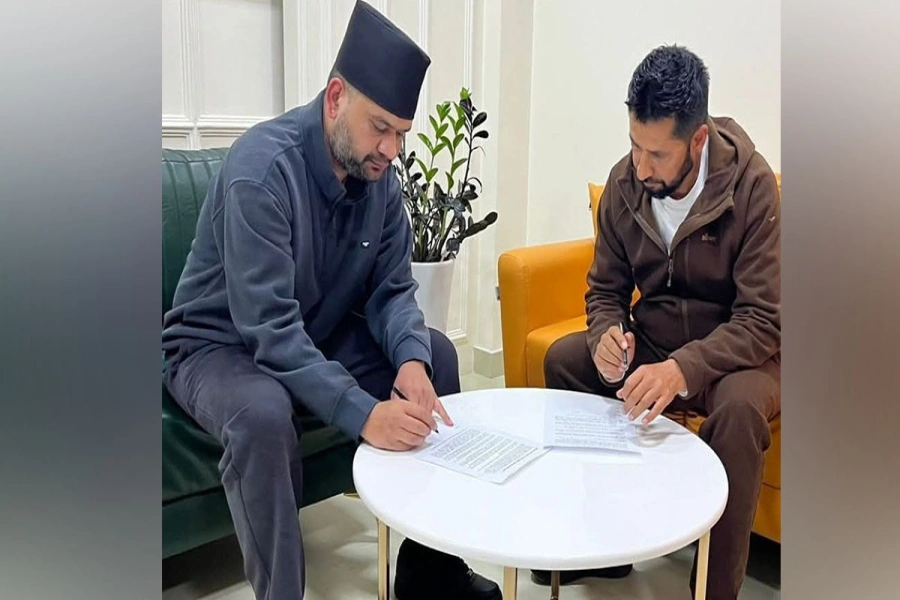
Gen Z Protest and Balen-Rabi Unity Deal
Similarly, the royalist groups are facing turbulence. While leftist, centrist and other political groups are joining hands, royalist factions remain divided ahead of the March election. Rajendra Lingden’s RPP, Kamal Thapa’s RPP-Nepal, Durga Prasai’s Nagarik Bachau Campaign, and the Gen Z Alliance for Monarchy all advocate the return of the monarchy and a Hindu state. Yet they cannot seem to unite. Previous attempts fell apart due to old grudges, ego clashes and power struggles. Even a committee formed within the RPP failed to produce results as Lingden and Dhawal Shumsher Rana remained at odds. This division has weakened their goal of restoring the monarchy and transforming Nepal into a Hindu state. Unless royalist leaders prioritise collective goals over personal ambition, their influence will continue to decline.
On the other side of the political spectrum, alternative politics has gained renewed momentum. The RSP–Bibeksheel Sajha merger aims to enhance their political standing. Both parties emerged with the slogan of offering alternatives to traditional politics, yet past election results indicated that Nepali voters were not fully ready to embrace them. The March election will serve as a litmus test for the RSP, especially as many Bibeksheel leaders have opted to merge with it.
The RSP’s early victories showed that a new party could secure seats by responding to public frustrations with traditional leaders. However, internal infighting and Chair Rabi Lamichhane’s legal troubles took away much of its early shine. While the merger with Bibeksheel Sajha might prove beneficial, it remains uncertain whether it will give them sufficient strength to challenge established parties. Other emerging groups—such as Kulman Ghising’s Ujyalo Nepal and the Shram Sanskriti Party—are trying to carve out their space, while CK Raut’s Janamat Party continues to retain support in the Madhesh. For these groups to endure, they must avoid the mistakes that led to the downfall of previous political movements.
Nepal has seen many new political groups fail because they could not remain united or deliver on the people’s aspirations. The March election will be another opportunity for new voices—especially youth groups—to prove they can become reliable leaders capable of delivering results. Many voters, frustrated with traditional parties, strongly believe that Nepali politics must give Gen Z leaders a chance to serve the country in line with the needs of the 21st century. The Gen Z youth, in turn, must transform their passion into meaningful political engagement.
Ultimately, Nepal’s politics and socio-economic conditions must undergo significant improvement following the 5 March election. The September Gen Z protests clearly demonstrated young people’s frustration with rampant corruption, poor leadership and outdated political structures. Young voters are demanding honest politics, competent leadership and genuine concern for public welfare. The arrival of a new youth brigade eager to bring transformation must be met with opportunities to assume decision-making roles. The nation has tested all traditional parties and their long-standing leaders—who have repeatedly failed to deliver.