Imagine a cleaner and greener Kathmandu … If everyone joins hand, that´s doable. The reason why it´s in total shambles, the reason why it´s amongst the filthiest in the world today, is because communities haven´t come together, we haven´t joined our hands to do something about it.
GRANDIOSE PLANS
Quite tall—and very ambitious—promises have been made. And yet the government hasn´t got its acts together. The 1990 constitution—and even the interim constitution—has provisioned, if not guaranteed, people´s right to live in clean and healthy environment as a fundamental right. Riding on that provision, the Supreme Court has, time and time again, given orders and verdicts to clean up the mess (´clean up the Bagmati´, ´get rid of all vehicles older than 20 years´ …)
Remember just one-and-a-half years ago, the then Madhav Kumar Nepal government´s ministers helicoptered to Kalapatthar near Mount Everest base camp (over 5,200 meters elevation) for the "highest-point" cabinet congregation and declared that Nepal will increase its forest cover to 50 percent (from 30 percent)…, and that Nepal will soon turn a carbon neutral country? Those words sounded as impressive as the spectacular setting. But, as things stand now, absolutely no progress has been made as far as realizing those promises are concerned.
True, the government has slapped a ban on cutting down trees—marking the International Year of Forests. Yet environment disasters—ranging from air and water pollutions to land degradations and the adverse negative impacts of climate change from the Himalayas to the plains—loom. The source of life, clean water, isn´t just available in our cities and towns as rivers go the Bagmati way.
As air quality worsens and the city folks gasp for fresh air, efforts are needed to increase the green cover and cut emissions stemming from ever-increasing vehicles and conventional brick kilns.
As most of us, though unwillingly, join the polluters´ club and do nothing, water quality in the Bhote Koshi in Sindhupalchok, the Trishuli in Dhading-Chitwan and the Seti in Pokhara is rapidly deteriorating. The Bagmati looks cleaner as it meanders down onto the Tarai plains, yet the Sirshia River in Birgunj near Raxaul is a gone case; it´s another open sewer down there. There are many destroyed rivers like the Sirshia across the Tarai.
Pity—the state of our waters.
GASPING FOR BREATH
And now air. And nowhere in the country is the quality of our breathing air officially so bad as it is in Kathmandu, one of the most polluted cities in Asia. Countless studies starting from the oft-quoted World Bank-funded Urbair Report of 1996 have pointed that the valley´s air quality has worsened, that it has surpassed the permissible limits, that it has crossed the WHO (world health organization)-recommended levels!
Two factors are fouling Kathmandu´s air—rising vehicular emissions and brick kilns, the studies show. The biggest culprit of the olden times, the Himal Cement Factory in Chobhar, remains shut today. But the two other bigger culprits continue with their rampages day in, day out: Unmaintained and ill-fuelled (thanks to rampant fuel adulteration) vehicles continue to outnumber themselves, choking the Middle-Age-type alleyways, and further fouling the air; and old-fashioned brick kilns continue to burn coals, rubbers and other stuff that emit "fugitive" emissions.
As the number of vehicles in the valley pole-vaults unchecked—contributing to the rise of hazardous particulate matters and cancerous benzene and other stuff—few seem bothered (except the SAFA tempo entrepreneurs who are now looking to promote SAFA buses, and the enterprising community that´s looking to resurrect the dead Sajha and Trolley buses). Together, experts say, the vehicles have contributed to several-hundred-percent-rise in air pollution.
What´s even worse, if not shameful, is this: Even as the air quality worsens further, few seem bothered to even monitor the air quality; the Danish-funded air quality monitoring stations in the capital´s key thoroughfares have remained dysfunctional for the past few years. And they continue to remain so! Corruption in the Department of Transport Management (DOTM) continues to foil efforts to accurately check vehicles´ emission levels.
CLEANER TECHNOLOGY
All is not that depressing still. In the past decade, significant progress has been made on one front: Reducing "fugitive emissions" from brick kilns—the single largest consumer of coals in the valley and the second largest air polluter. Up until 2003, the traditional brick kilns emitted significant pollutants (30 percent of the particulate matters). But as the communities and civil societies waged war against pollution, the government banned old-fashioned kilns.
That gave way to something clean. Introduction of newer and relatively cleaner technology in the brick-manufacturing sector encouraged brick-bakers to go clean. The Swiss-supported Vertical Shaft Brick Kiln Project (VSBKP), for instance, promoted the vertical shaft brink kilns, which are less energy-combusting and hence way less polluting than the traditional kilns. Thanks to that initiative, what started with two units in Lalitpur in 2003 today boasts 26 units. From Kathmandu, the cleaner technology has reached Pachthar and Dang.
Still the worry is this: As the mostly haphazard building-spree continues nationwide,nepal.surendra@gmail.com the growing demand for bricks in the valley (estimated at 1.2 billion every year and growing)—and outside—could make matters worse. The more polluting old-fashioned kilns re-proliferate. If the government is serious about air quality and public health, it should encourage adoption of cleaner technologies.
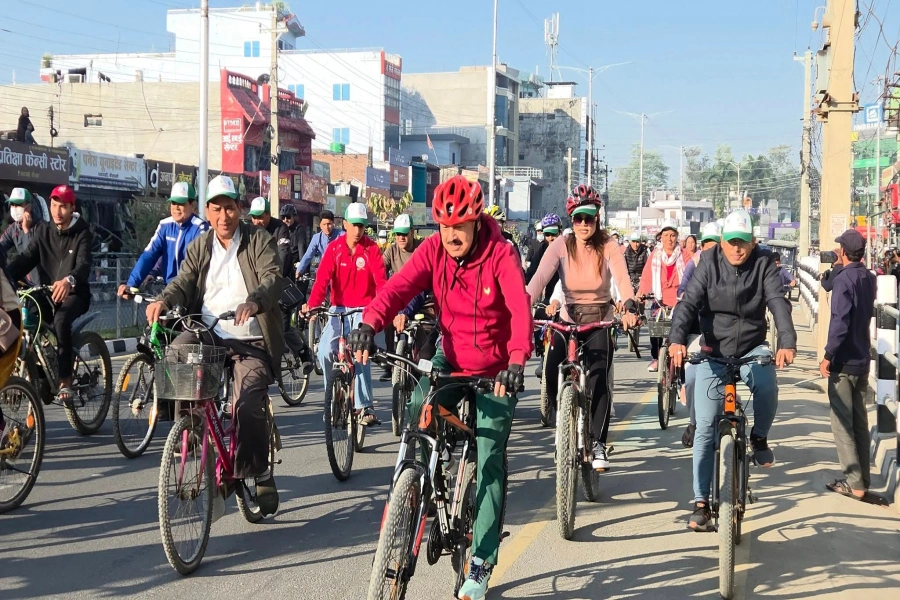
Our actions must make environmental sense. For cleaner air, everybody—the government, NGOs and the communities—must join hands to plant more trees and make our city(ies) cleaner and greener. By cutting carbon, Nepal can earn carbon credits under Clean Development Mechanism (CDM). By cleaning up the mess that we´ve collectively created, we must leave a cleaner and healthier environment for our children. And there´s no ideal place to start off than the concrete-filled, rapidly-urbanizing—and environmental disaster hotspot—Kathmandu.
Writer is BBC Correspondent
nepal.surendra@gmail.com
Related story
A cleaner, greener Nepal



-1200x560-1774606010.webp)




-1200x560-1783685616.webp)