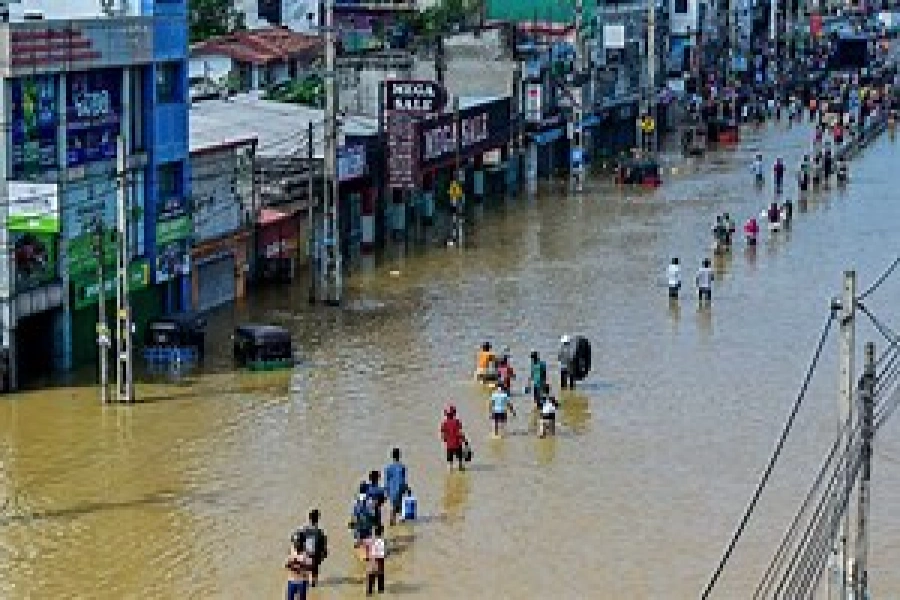
Nepal is one of the world’s climate change hotspots. Nepal’s vulnerability to climate change is critical not only because it has very susceptible topography but also because its infrastructure is weak, which means it can’t deal properly with the changed climate scenarios.
The United Nations Framework Convention on Climate Change (UNFCCC) has urged the Least Developed Countries (LDC) such as Nepal to identify their most urgent and immediate needs for adapting to the adverse effects of climate change and to prepare a document: National Adaptation Program of Action (NAPA). To ensure that all countries can adapt to climate change, NAPA will include a list of project activities that LDCs need to implement.
While most LDCs have already presented their plan of action to the UNFCCC and some countries, like Bhutan, are currently already implementing their proposed projects, Nepal has just begun drafting its NAPA. According to Ministry of Environment officials, it will take 18 months for the draft to be finalized.
Nepal is thus lagging far behind other countries in NAPA preparation. But, say officials, Nepal is in a unique position as far as implementing NAPA is concerned.
The main donor agencies who are helping the government draw up Nepal’s NAPA plans, DFID and DANIDA, want to ensure that most development projects that are now carried out in Nepal include provisions for climate change adaptability.
That approach will not only be good for Nepal’s environment but will also boost Nepal’s negotiating powers at the United Nations Climate Change Conference (COP 15), which will be held in Copenhagen this December.
At COP 15, nations like Nepal will be provided with a forum where they can demand that developed, high carbon-producing countries like the USA pay reparations for worsening the world’s climate, the effects of which are most severe in countries like Nepal. Nepal and other LDCs have the moral high ground in this argument, according to Simon Lucas, Climate Change Advisor at DFID, because the argument is founded on very basic logic: if you break something, you must fix it.
But Nepal can only make such demands if it can first show that it is serious about climate change adaption. And it can only show it is serious if its NAPA is of the highest standards.
Nepal has several things going for it now and it cannot miss the opportunity that Copenhagen will provide. Nepal’s carbon emission is minimal, for one; it has also made a considerable effort at initiating clean energy programs. Apart from the biogas and micro hydro projects already running in Nepal, which have been feted the world over, its reforestation initiatives, through the community forestry programs, have also been commended. Furthermore, the timing of COP 15 is also perfect. Now that George Bush and his anti-Kyoto Protocol days are history, with Obama leading the world along the green path, Nepal should thus be able to have its demands listened to in Copenhagen.
But since Nepal does not have much leverage in the world community, besides cleaning up the country, it must resort to finding allies. To do so, Nepal is hosting a regional climate change meet this August, where all the countries of South Asia are to come and finalize a regional agenda so that South Asia can participate in the climate negotiations at Copenhagen as one group, acquiring more bargaining power.
But Nepal must tread carefully here. The South Asian giant India, which is more US-like in its carbon-emitting habits than it is Nepal-like, will have its own agenda in Copenhagen. Nepal needs to thus focus on creating its own strong agenda first. December is not that far away.
Related story
'Biggest circus in town' the World Cup set for betting frenzy