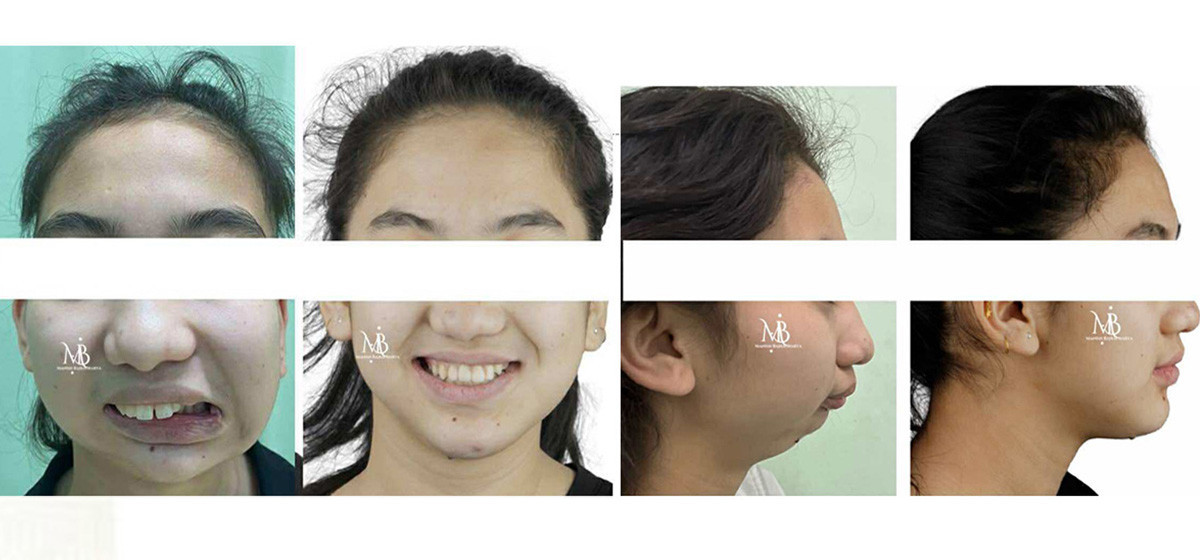
All of them received surgery and follow-up treatment for free. [break]
Moment of inspiration
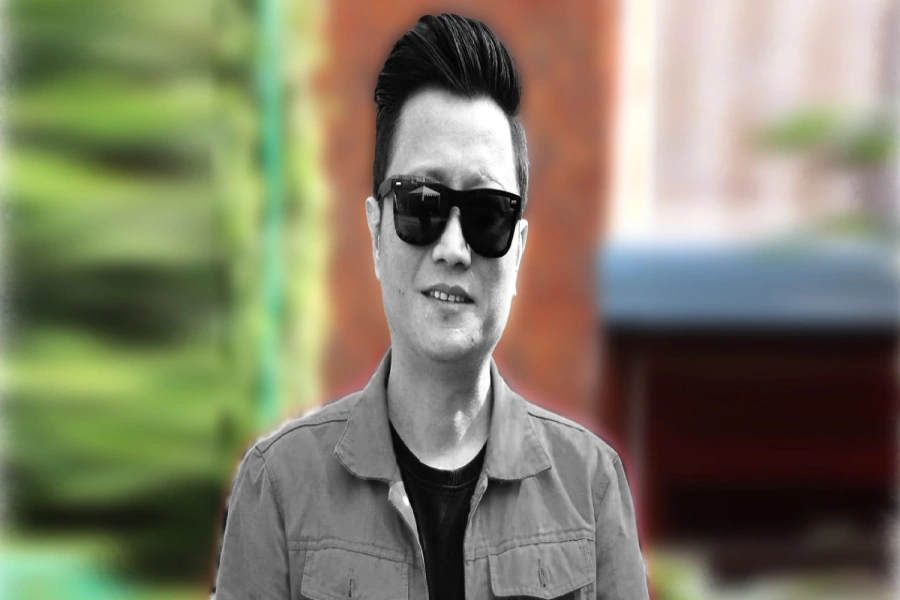
“After performing some general surgery, I was wandering through the surgical ward of TUTH (Tribhuvan University Teaching Hospital), curious what other surgeries were being performed,” Dr Rai recounted the fateful 1992 incident to myrepublica.com on Wednesday at the Model Hospital on Pradarshanimarg where ISOP is based.
“In one room, I watched with amazement as a team of foreign surgeons transformed the appearance of a child with a cleft lip in just 30 minutes, using simple surgical equipment. The outcome was deeply impressing,” he said.
Dr Rai eventually approached Dr Terry Knapp of the United States, who back then led the team of plastic surgeons that visited Nepal for two weeks every six months to perform similar surgeries for free.
“I don´t need to worry whether a needy patient can afford treatment, as what we provide is free of cost,” he said, adding a question, “Tell me, how many doctors in the country have the privilege of not having to think about a patient´s financial background?”
“I asked Dr Knapp whether he could teach me how to perform the surgery. It turned out the team from Interplast Inc in the US that has been providing free plastic reconstruction surgery to needy people in the third world for almost four decades now, was looking for someone like me to lead the initiative at the local level,” he said, grinning.
That was the beginning of Dr Rai´s association of almost two decades now with Interplast Inc. During those years, he has organized plastic reconstructive surgery camps in almost all districts in the country. His team now has 50 dedicated members, including plastic surgeons, speech therapists, maxillofacial surgeons, orthodontists and Nepal´s first and only hand surgeon.
The team visits Biratnagar, Butwal, Nepalgunj, Birgunj and Pokhara at least once every month, apart from organizing camps in far-flung villages where people either do not know there is a cure for their congenital and burn deformities, or cannot afford the cure.
Apart from providing such patients reconstructive surgery for free and bearing all the costs incurred in treating, feeding and accommodating those who have to be brought to Kathmandu for the treatment, the team also undertakes the more difficult process of follow up - such as speech therapy and dental therapy - that those undergoing plastic reconstructive surgery need.

A boy from Makpa village
Dr Rai was born in 1957 to a farming family in Makpa village of Khotang district, the second of five sons of a Nepal Army captain. Dr Rai also has three sisters.
He went to various schools, as he was always moving with his father who had frequent changes of posting.
After completing his SLC in first division in 1975, Dr Rai studied for the three-year Certificate of General Medicine course at the Institute of Medicine (IOM) in Kathmandu, becoming a health assistant first. He later did the MBBS from IOM, which became TUTH two years after he graduated.
“MBBS was a four-and-half-year course back then. But we had to wait for six years to complete it as TUTH was shut frequently due to political instability,” he said.
He then provided surgical services at TUTH for two years, before leaving for Bangladesh where he did his Masters in Surgery.
His association with doctors from Interplast Inc later took him to Dallas, Texas, and to the Cleveland Clinic in Ohio, where he honed his skills as a plastic surgeon.
Apart from heading the initiative in Nepal, Dr Rai also participates in reconstructive surgery camps in developing countries, hoping to inspire medical professionals to take such initiative themselves and expand it as he has done in Nepal.
Reaching out to patients
Dr Rai believes that in countries like Nepal, doctors must reach out to patients as most of them are reluctant to visit towns and cities because of constraints ranging from ignorance, poor finances and a general lack of association with new places.
“A majority of patients are in peripheral parts of the country. To make sure that they get treatment, we must go there ourselves,” he said.
Over the years, ISOP has evolved into a multi-disciplinary program with Dr Rai and his team realizing that plastic surgery alone is not the solution. The team therefore takes part in a long-term rehabilitation program to ensure that those receiving reconstructive surgery don´t just receive a facelift, but can also function normally.
Cleft is a congenital condition seen in one in every 600 to 700 live births in Nepal. It can be caused by genetic factors, malnutrition, excessive vitamin A, or viral infection during pregnancy.
Rewards
For Dr Rai, seeing a child with cleft lip or cleft palate transform into someone who is normal-looking is motivation enough to continue performing surgery.
And there is also another motivation.
“I don´t need to worry whether a needy patient can afford treatment, as what we provide is free of cost,” he said, adding a question, “Tell me, how many doctors in the country have the privilege of not having to think about a patient´s financial background?”
This reward is far greater for Dr Rai than the Nathan R Davis Award in International Medicine and Public Health that the American Medical Association conferred on him in 2004, or the Unsung Heroes of Compassion Award that he received from the Dalai Lama in 2009.
bikash@myrepublica.com
Related story
Three hospitals in Nepal, India and Pak to conduct free surgeri...