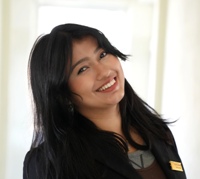
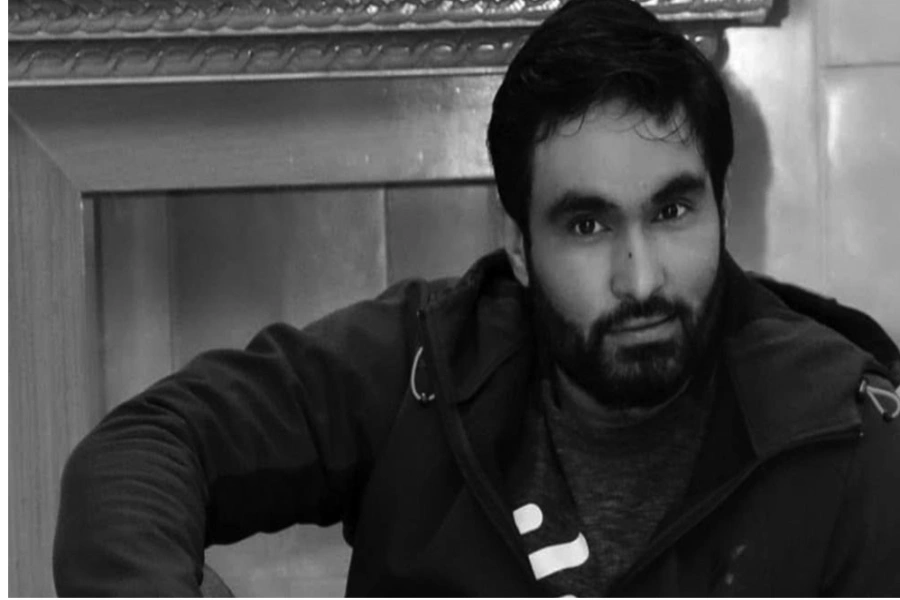
Ranjana Gurung, 40
From her 18 years stay in Singapore, Ranjana Gurung bought back a big motive: The desire to serve Nepal’s elderly.
“Back in Singapore I used to volunteer at an old age home every single week. The way their elderly were taken care of made me starkly aware of the fact that many senior citizens of our country were abandoned. The thought made me uneasy. It was time somebody did something to help,” says Gurung.
Thus two years ago, she and four of her friends got together to invest in The Hope Hermitage Senior Citizens’ Home, Club & Day Care Centre. This is home to around 17 elderly people and a day care center for 30 more.
How does this one of a kind senior center function?
It was very important for us to meet all the needs of the elderly. So we actually carried out proper research on the matter. We employed two workers to go around and talk to as many senior citizens as possible. We found out that many felt alone and isolated. Not only did many have children living abroad but even those kids who were living with them were too busy with their work and life.
It’s the reason why we turned this into a day care center. It’s a place where they can enjoy the company of people their own age. Also, as per the findings, we run sessions that interests them from light yoga, health checks to music and bhajans. A three years membership costs Rs 1000 and they can take advantage of our facilities. Those elderly who have been left alone even live here. We have caretakers who look after them too.
What has been the most difficult thing about running this facility?
Our biggest challenge I’d say has been selling the concept. A senior’s day care is still very new in our capital. We have had cases where the children don’t see the point in bringing their parents here or at times it’s the senior citizens themselves who don’t want to come. It is tricky to convince them that they can benefit from our services.
Do you feel content about your work?
The elderly we have here sometimes talk about how lonely they feel. Everybody else around them has work to finish and lives to live and sometimes they feel incredibly left out. Some have talked about how their kids don’t even say hello after returning from work. In those cases, it feels great to give them a way to validate themselves. I feel at peace when I see them enjoying their music classes or simply socializing. Taking care of a group of elderly is not always an easy job but it has definitely been a rewarding one.
Nepal Distilleries launches premium brand spirit 40 UP in Nepal...

Dayaram Mahrajan, 50
In nearly three decades of its establishment, Disabled Service Association in Bugmati has earned quite the reputation. A teacher by profession, Maharjan reveals that he had never envisioned a life dedicated to helping differently-abled children gain education and various skills for a better life. But today that’s what he does round the clock. He gives shelter to and teaches 45 differently-abled students from ages 4-22 whereas 53 more come to his establishment for various classes. Maharjan has taught himself to read Braille, speak sign language, and even carry out basic physiotherapy exercises. He quietly strives to enable the kids who were born with a disadvantage because he believes it is their right to make something of their life.
What inspired you to begin such an organization?
Back in 1986 when I was teaching at my old school, I met a blind child. His parents wanted him to study but schools weren’t keen to have him. I decided to help the child in my spare time. That’s when I taught myself Braille as well. However, it seemed even the blind child’s parents weren’t enthusiastic about teaching him anything more than just the basics. They argued that there was no point in putting all the effort because he was blind. But I knew he was a capable child so I continued teaching and helping him. I guess people around heard about it and soon enough there were more requests for assistance.
Weren’t you ever overwhelmed by the task at hand?
Naturally there have been many challenges, but the urge to help these children always wins in the end. For example I never planned my first adoption. One day I saw a child whose suffered paralysis on the left side of his face. He was all alone. He was trying to move and was dragging himself on the road, begging. I asked around about his parents. Apparently he only had a mother and she was busy working in the fields. When I found her, I simply asked for her permission to take the child and provide care. She agreed and that was that.
There are so many differently-abled children in our country and they suffer such neglect from our society. I feel obligated to help them in whichever way I can.
What would you say has been your biggest challenge running this Disabled Service Association?
There was a time when people thought my differently-abled students would damper the mood of the pilgrims who come to worship Karyabinayak. They actually wanted me to close the school. So initially, the apathy of our Nepali society made work difficult. But thankfully today we have more support from the community. It has helped me finance this school as well. We have people donating food, clothes, furniture, or even sponsoring a child. This is immense help because when I began I remember there was a time when I couldn’t even buy groceries for the Tihar festivities. I had taken so many loans from the local shopkeeper, that he didn’t allow me to buy anything more. It was one of the worse moments of my life. I’m grateful more people are willing to help us now.
Sneha Shrestha, 27
Her phone rings and beeps at all hours. Her Facebook page, Sneha’s Care informs of ways those seeking to help street dogs can get in touch with her. The inquiries range from locating shelter for abandoned dogs to health care. Her immediate priority though has always been dogs who have been severely hurt and are in need of urgent medical care. She says she has never been able to resist those calls in particular which is why she is used to late nights at the vet’s clinic. It’s been a year since she started the Facebook page, and her cell phone already has a large collection of photos and videos of injured dogs and she is trying her best to help them all.
It hasn’t been long since you started caring for street dogs. What got you started in the first place?
Actually I never really cared for dogs. It was my husband who was a big fan and he brought two puppies home. Even then I wasn’t really bothered about them but then one of the puppies died. It was living in a kennel outside and had caught a cold. This made me feel very guilty so I personally started taking extra care of the other puppy. Just like that my love for dogs began to grow. Soon enough I was spotting dogs that needed help everywhere. I tried taking them to other organizations but that didn’t feel very fulfilling. I thought I could do more. So I decided to get into it properly.
Has it been a challenging endeavor?
I have been financing it all on my own. It’s only now that Nepalis living abroad have started donating via my website and Facebook page. But often I usually spend an average of Rs 300,000 a month. I have specifically been trying to help dogs that are in dire need of medical care. Dogs regularly get involved in terrible accidents. We also get dogs in miserable conditions. Treating them takes time and a lot of money. Plus I’m working on building my own center because at the moment, I have placed different dogs at different centers around town. Some charge up to Rs 250 a day so there are many challenges but my husband and I don’t plan to stop. Further, the support we have started receiving is very encouraging.
How do you think other people can help street dogs?
A little sympathy goes a long way. Sometimes it’s surprising how hostile people can be towards street dogs. For instance, just a while back a doctor who had ran over a dog refused to pay for the dogs’ treatment. The dog had broken all four legs. It was wailing in pain and it required immediate surgery which would cost about Rs 25,000 for each leg. Even if he couldn’t cover the entire amount, we requested the doctor to contribute whatever he could but he flat out refused to do so. It’s amazing how indifferent some people can be. So we are trying to do our part. I’d also like to request more people to adopt. Rather than buying puppies, please take a stray home. There are plenty of dogs out there in need of some love and warmth