

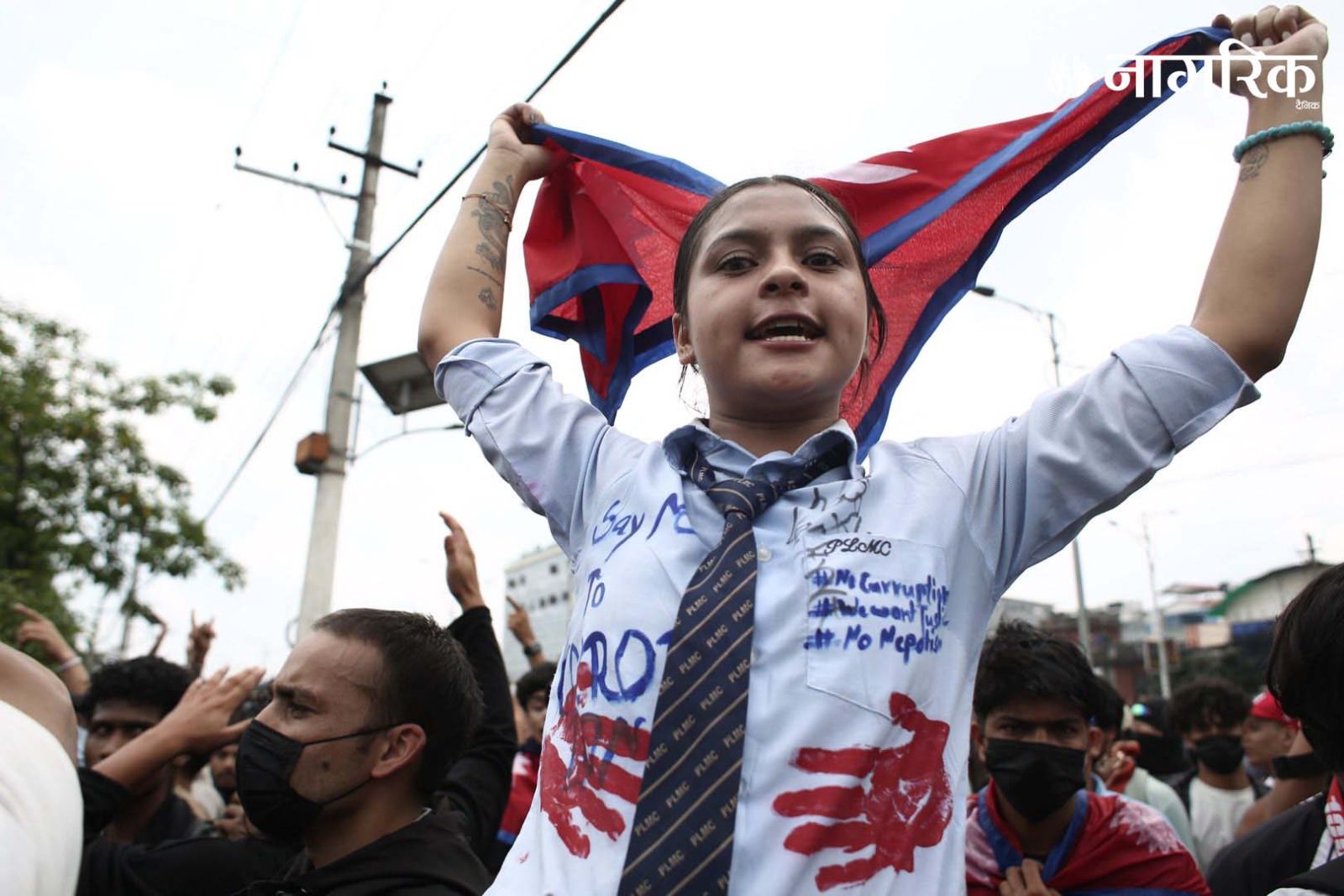
The more I read about the unfolding dynamics centred around the Gen Z movement, the more I find myself questioning its inclusiveness.
In a way, it is hardly surprising that traditional power dynamics entrenched in society end up being reflected in the ongoing political awakening that the new generation is experiencing following the September Uprising. Yet, if Gen Z is serious about establishing a Naya Nepal—a New Nepal—it is paramount to talk about certain sensitive issues, even at the risk of making some of its members slightly uncomfortable.
At its core, the question is this: are the conditions being created so that every youth in this nation, including those from the most marginalised communities, has an equal chance to co-shape the current and future governmental agenda? Finding an answer to this fascinating yet complex question is key to understanding the Gen Z movement.
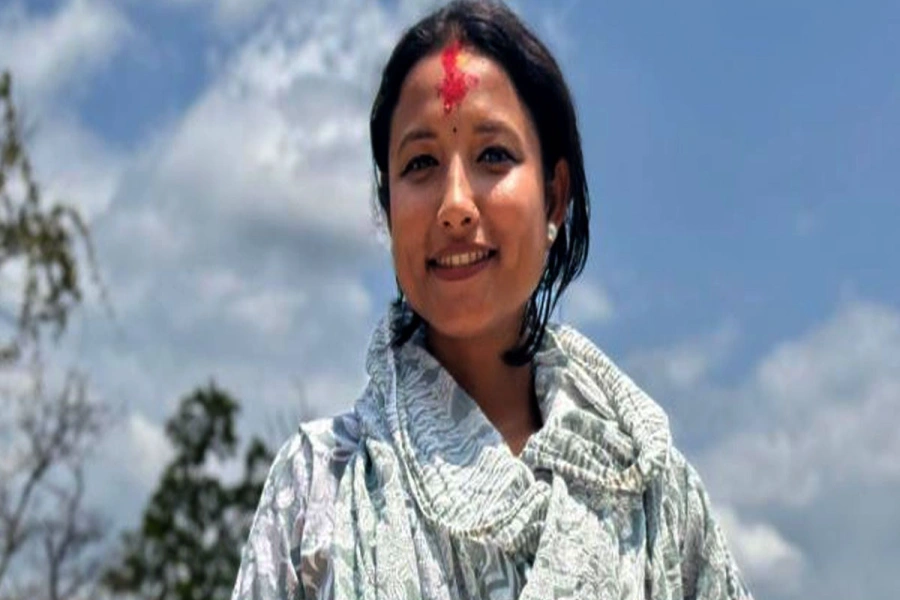
For instance, in the aftermath of the riots, one promising Indigenous leader, Tashi Lhazom, was questioned about her fundamental rights simply because her native language is not Nepali. As a result, youths from Indigenous communities mobilised, organising themselves to ensure their agency and voices were fully and meaningfully represented in negotiations with the Interim Government.
But wasn’t the uprising guided by a fundamental and unquestionable pursuit of good governance? Perhaps we should ask ourselves: what is good governance really about? It is certainly about eradicating corruption and cleaning up politics—but isn’t it also about something deeper, more structural, and more embedded not only in the system but also in society at large?
At the end of the day, can we truly have good governance without social inclusion and the empowerment of disadvantaged and discriminated communities, starting with members of the Dalit community?
Consider the ceremony at which the 10-point Agreement was signed between Gen Z representatives and the Prime Minister: only one participant was from the Dalit community.
To better understand the feelings and aspirations of Gen Z members from this historically marginalised community, I approached the Dignity Initiative, a policy and research not-for-profit organisation fighting discrimination and inequality in Nepal. I was connected with a small cohort of Gen Z representatives from the Dalit community, all bachelor-level law students—an area traditionally closed to Dalits and one where representation gaps remain stark.
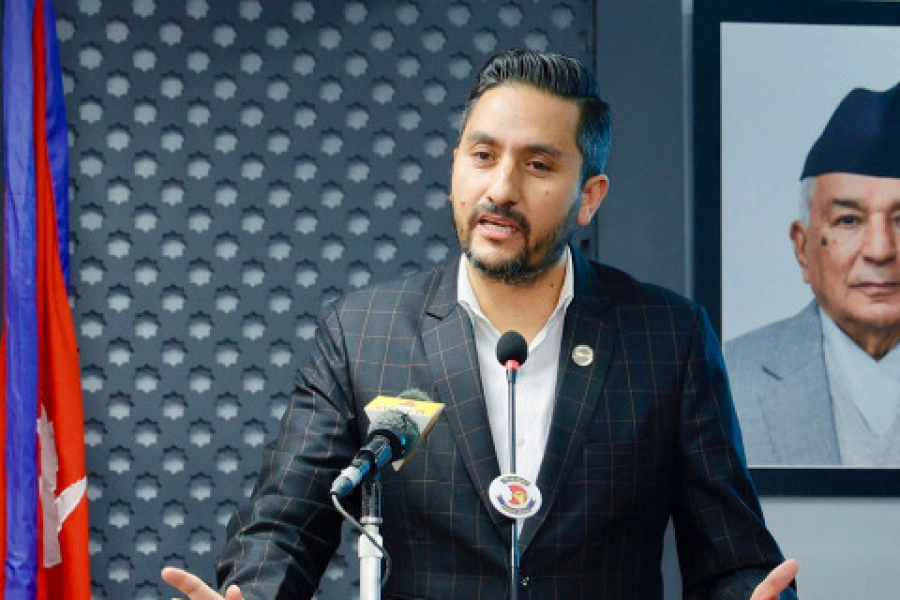
Gen Z Front Coordinator Rakshya Bam cautions NC against insulti...
From these conversations, I gathered that while they remain hopeful about Nepal’s political trajectory, they are also wary and cautious about what a “better” political landscape might actually mean for youths from their community. What if politics becomes cleaner, more transparent, and more effective—but still not inclusive or representative enough to meet the aspirations of a new generation of Dalit youth?
“In the Gen Z movement, much focus is placed on reducing corruption, ensuring stable governance, and reforming electoral systems, but we cannot afford to forget one central issue: the persistence of caste-based hierarchy in daily life, unabated discrimination in employment and education, structural exclusion, and unequal access to justice,” explained Radha Kumari, a sixth-semester student at Nepal Law Campus.
“While many non-Dalit representatives called for systemic change, Dalit youth demanded something more profound: equal citizenship, dignity, and respect—not only in the text of the Constitution but in real life,” she added.
Shishir BK, a sixth-semester student at National Law College, spoke about the reality faced by Dalit youth in the aftermath of the uprising.
“During the Gen Z protests, the energy on the streets was beautiful and diverse. But once the shouting stopped and the actual work of governing began, that diversity vanished. We saw ‘upper-class’ youth taking over the movement’s legacy, occupying the very seats of power that everyone fought for,” he said.
“The truth is that while privileged youth have the safety net to focus on politics, Dalit youth are forced back into a daily struggle for survival. When you are fighting just to meet your basic needs, you don’t have the luxury of time or the social connections needed to sit at the policy-making table,” he added.
“When basic needs are insecure, politics starts to feel like a luxury,” said Amrita Dargi, a seventh-semester student at National Law College.
“Our voices aren’t missing because we don’t care; they are missing because the system makes participation a privilege we can’t afford,” Shishir further explained.
“As I see it, Dalit youth were often unseen in the Gen Z movement, yet they were an essential force. It would be wrong to say they were uninvolved. Dalit youth participated, supported the movement, and silently propelled its moral force. However, their efforts received little representation. This invisibility continues Nepal’s historical tendency to ignore Dalit voices—even within progressive struggles,” Radha Kumari noted.
On electoral participation, Shishir elaborated: “Running for office isn’t just about having good ideas; it’s about who you know and how much money you have. For Dalit youth, the starting line is miles behind everyone else. Without financial capital, a recognised family name, or social status, entering politics feels nearly impossible.”
“Historically, Dalit communities in Nepal have faced centuries of caste-based discrimination, untouchability, and exclusion. Even today, Dalits struggle to attain decision-making and leadership roles within political parties. The lack of visible Dalit leadership in the Gen Z movement is not coincidental—it is the result of deep-rooted structural inequality,” Amrita explained.
“Unlike many non-Dalit Gen Z members, who already possessed social, educational, and political networks before the movement began, Dalit youth come from communities with limited access to such networks. Their voices are often ignored, and the media frequently overlooks our distinct perspectives, making it harder to move from street activism to public leadership,” she added.
There is no doubt that the media can play a far more proactive role in bringing young leaders from the Dalit community into the spotlight. There appears to be a pattern—sometimes unconscious—where media professionals highlight Gen Z representatives primarily from certain communities.
At the same time, it is also true that the Dalit movement has long been fragmented. This lack of unity has contributed to the limited visibility of Dalit voices not only in politics but across the national landscape. This fragmentation may also explain why Dalit Gen Z groups struggled to organise effectively after the September Uprising.
This is clearly an area requiring urgent attention; otherwise, youths from this community risk being perpetually overshadowed.
The goal of this piece is not to question the intentions or character of Gen Z members from historically privileged communities. As an observer of national politics, I recognise the immense untapped potential among Nepali youth—much of it within marginalised communities, particularly the Dalit community.
Is society ready to accept that youths may need to organise along cultural, ethnic, or religious lines to assert their rights? Nepal does not need identity-based politics. Such politics are not inherently virtuous and can deepen divisions within an already unequal yet relatively peaceful social compact.
Yet, in the short term, this may be the only viable path for some communities to achieve a more representative civic space in which everyone has an equal voice.
“The most immediate solution is radical organisation. Dalit youth are often the backbone of grassroots movements; that energy must be channelled into a collective force that demands a seat at the table, rather than waiting for an invitation,” Shishir said.
Ultimately, Dalit, Muslim, and Indigenous youths must make their voices heard. This struggle for self and collective empowerment should not replicate the historical patterns that produced today’s injustices. While these communities develop political awareness, organisational capacity, and tactical skills, they also need allies across society.
“The burden shouldn’t fall on the marginalised alone. If we want a truly inclusive society, those with power—writers, journalists, activists from privileged backgrounds—must do more than attend protests. They must step aside, share resources, and use their influence to ensure Dalit voices are not just heard, but are leading governance,” Shishir added.
Radha Kumari concluded with a powerful reminder: “Recognising Dalit youth as an integral part of Nepal’s Gen Z movement is not an act of charity. It is a democratic necessity. Only by listening to those pushed to the margins can Nepal build a future that is just, accountable, and truly inclusive.”







-1200x560-1774606010.webp)


