Lama, who gave birth to a baby at 11:30 am today, couldn't walk properly due to the stitches she had received after the delivery.
"I fear my stitches would give way if my bed kept shaking due to aftershocks. I feel safer in the open ground than inside the ward," said Lama in a feeble voice.It wasn't just Lama who was rushing towards the open ground following the aftershock of Wednesday. Pregnant and new-moms have been living in constant fear due to the recurrent aftershocks following major earthquakes.
Even the doctors and nurses in the hospital are trying their best to persuade petrified patients to stay inside the hospital building.
MaiyaManandhar, nursing chief at the maternity hospital, informed that patients are opposed to staying inside the wards fearing the consequences of aftershocks on them and their babies.
"Although almost all the patients prefer to stay under makeshift tents outside the hospitalwards, we think their fear is unfounded," said Manandhar.
She even added that newmothers are extremely prone to infections and other complications related to reproductive health if they stay in the open. "Even the newly-born babies would be vulnerable to diseases," said she.
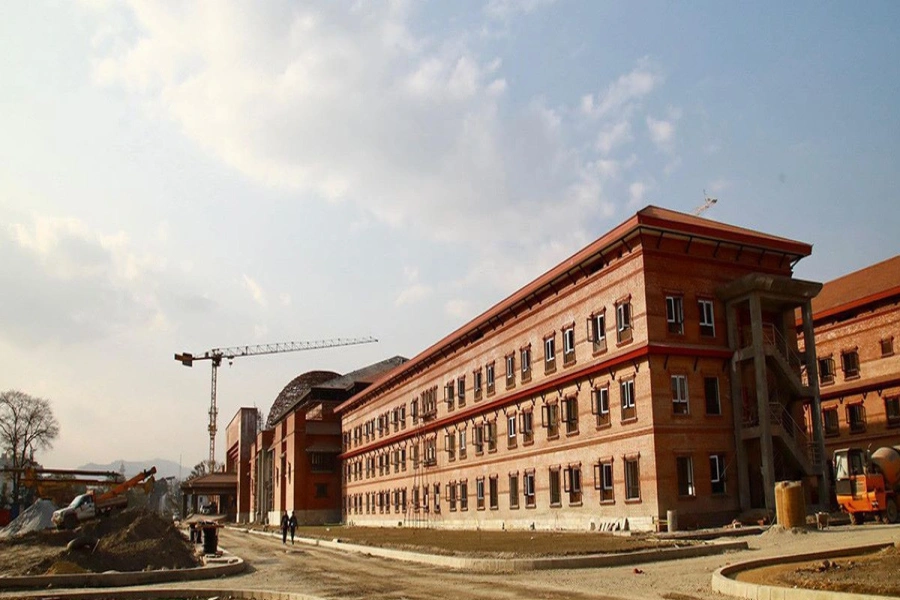
The main building of the hospital sustained severe cracks due to the first quake of April 25. Several patients had to be moved to the administrative wing and to the new building of the hospital.
On an average, 50 to 60 patients have been visiting the hospital per day.
However, experts have pointed out time and again that the earthquake doesn't directly harm pregnant women and the babies in their womb unless they suffer physically.
While some women have been suffering mentallyfollowing the earthquakes and the aftershocks, others in the quake-affected districts have not been able to access maternity facilities. There have been complaints that reproductive health has been sidelined as attending to quake victims has become a priority at most healthcare facilities.
A recent study conducted by UNICEF concluded that maternity facilities in the worst quake-hit areas don't have the necessary equipment to provide proper delivery services. The study further added that 12 babies are born every hour in the disaster-affected districts but the maternity facilities there suffered massive damages in the two powerful earthquakes and are unable to provide basic health services.
Similarly, the United Nations Population Fund (UNFPA) has said that around 2 million women and girls of reproductive age are affected by the quake. The number included some 126,000 pregnant women.
Related story
Syangja municipality providing egg for pregnant women to attrac...