KATHMANDU, Aug 21: Nepali Congress (NC), a coalition partner in the government, has termed the recent India-China agreement to conduct border trade through Lipulekh as objectionable.
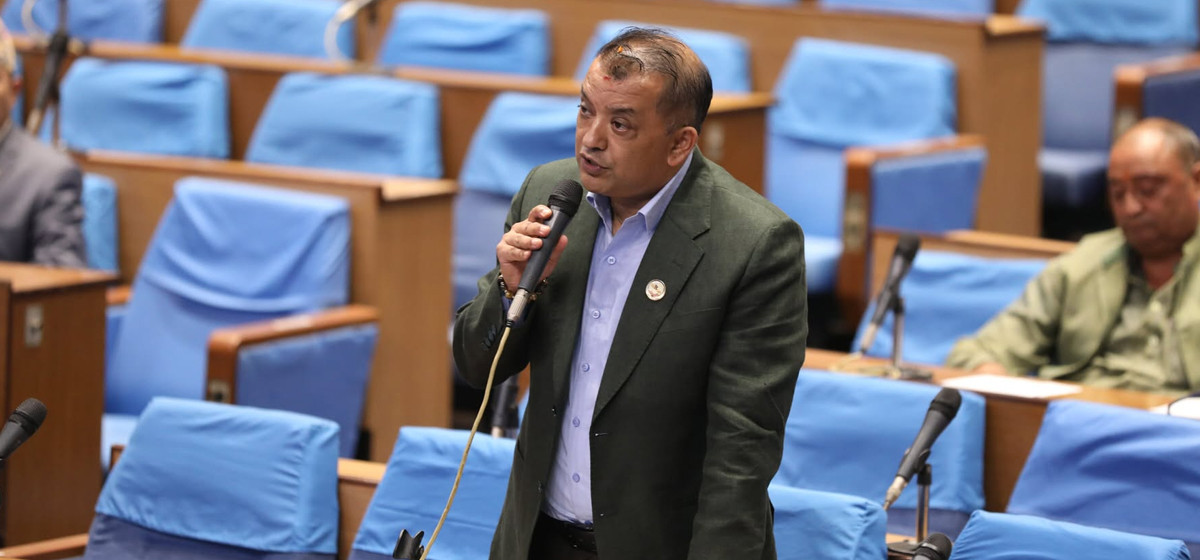
Speaking during a special session of Parliament on Thursday, NC General Secretary Gagan Kumar Thapa said the agreement reached between the foreign ministers of India and China in New Delhi was unacceptable.
“We read, heard and learned that our two neighbors, India and China, reached an agreement regarding our territory in our absence,” Thapa said, “The Nepali Congress strongly disagrees with this conduct of our neighbors. It is objectionable and unacceptable.”
Nepal parties unite against India-China agreement on Lipulekh t...
He urged the government to move forward by bringing all sides together in its diplomatic initiatives concerning Lipulekh. “We call on the government to include everyone while pursuing initiatives on this matter,” Thapa added.
The NC leader also stressed that all political parties must stand united on the issue. He cautioned against turning the matter into domestic political rivalry or adopting extreme nationalist positions.
“We must stand together on this issue, as we did in the past,” Thapa said, “While we may have our own differences and competition, no one should turn this matter into a tool of domestic politics or resort to aggressive nationalism.”
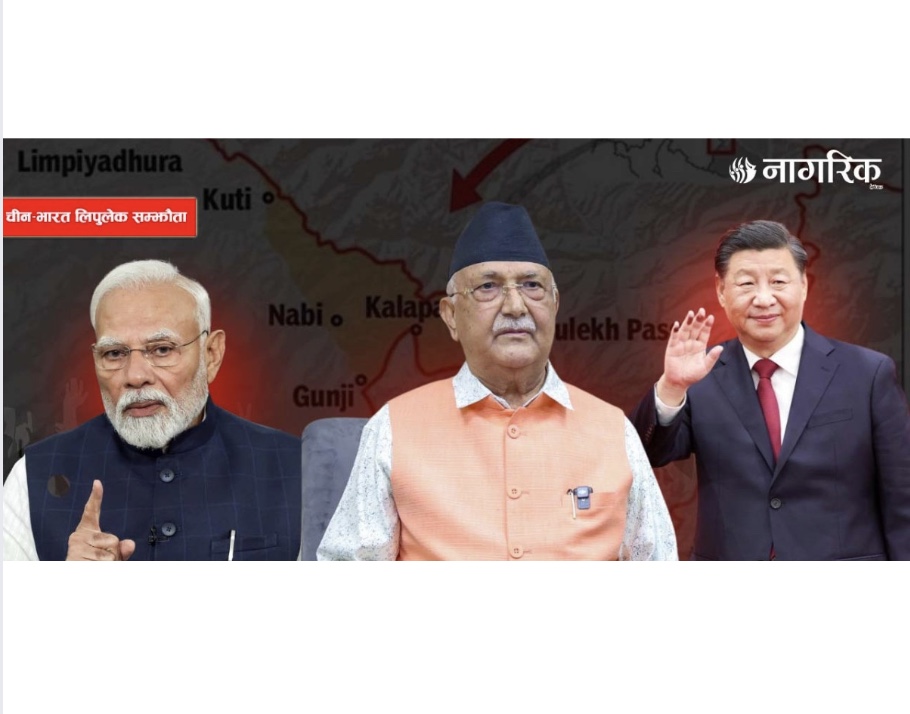
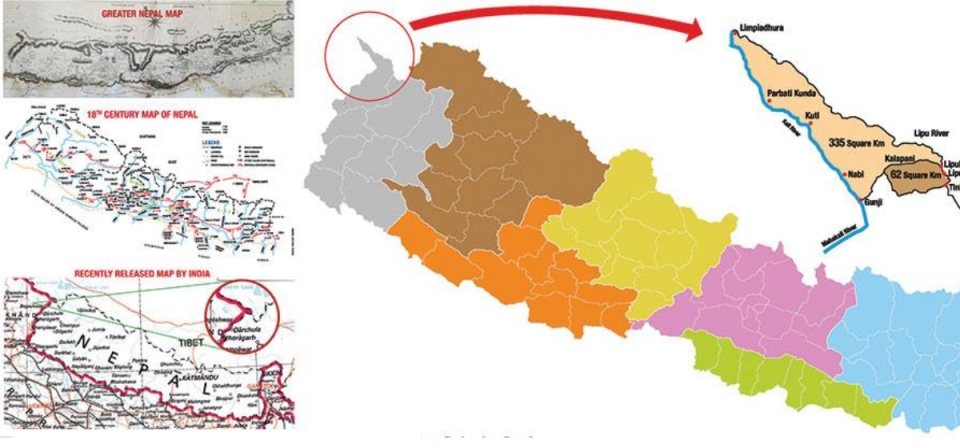
A fresh diplomatic row has erupted after India and China agreed to reopen border trade through Lipulekh—a Himalayan pass that Nepal maintains lies within its sovereign territory. The development has once again sidelined Kathmandu in a dispute involving its own land.
On Wednesday evening, the Ministry of Foreign Affairs (MoFA) issued a three-point statement reiterating that Limpiyadhura, Lipulekh, and Kalapani are "integral parts of Nepal," enshrined in the country's constitution and reflected in its official map.
India, however, swiftly rejected Nepal's claims. Responding to Nepal's remarks, Indian External Affairs Ministry Spokesperson Randhir Jaiswal in a statement said on Tuesday: "Our position remains that such claims are neither justified nor based on historical facts and evidence. Any unilateral, artificial enlargement of territorial claims is untenable."