KATHMANDU, Jan 19: Hotels, restaurants, grocery stores and meat shops across the city are serving food that fails to meet basic quality standards, raising serious concerns for consumer safety.
The problem stems from hotel owners, food companies, and individuals cutting corners in the pursuit of quick profits, putting consumers’ health at risk. With commercialization on the rise, poor-quality and sometimes inedible products are increasingly flooding the market, leaving consumers questioning the safety of every bite.
The Department of Food Technology and Quality Control (DFTQC) has stepped up its market inspections, with teams conducting daily checks across the city. In almost every inspection, officials find some form of violation.
Common issues include unhygienic kitchens, stale or improperly stored food, uncovered prepared items, and mismatched weights on packaged products.
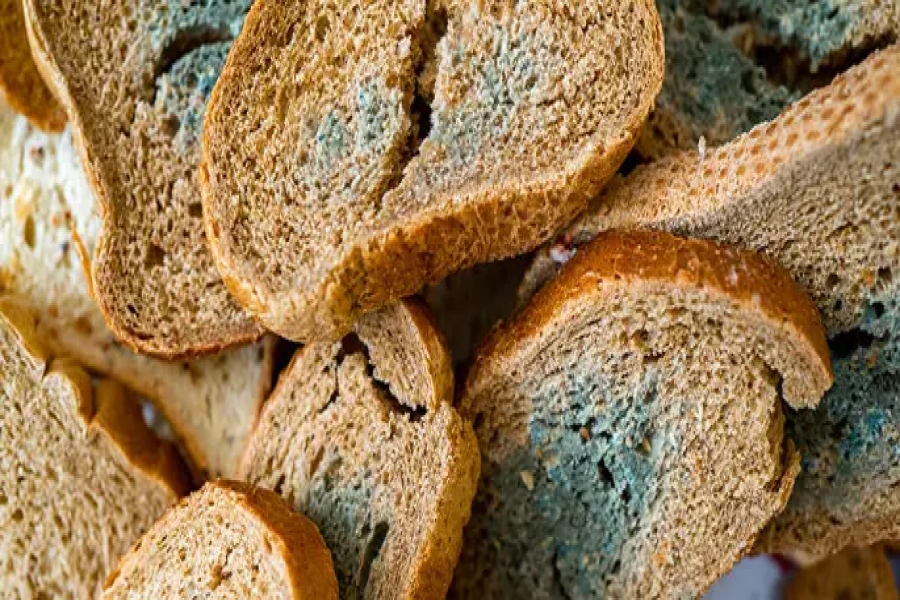
Eating junk food is bad for health!

On 12 January, DFTQC teams inspected Pepsi Cola Daura Thakali Pvt. Ltd. in Kathmandu Metropolitan City-32 and Mutton Station Pvt. Ltd. in Old Sinamangal, Kathmandu Metropolitan City-32.
According to DFTQC Spokesperson Balkumari Sharma, Daura Thakali was found with open washing and cooking areas located side by side, uncovered prepared food, and poorly maintained waste disposal bins. At Mutton Station Pvt. Ltd., officials discovered cooked items containing artificial food coloring.
What does the law say?
The Food Hygiene and Quality Act, 2081 BS, sets strict standards for food safety and hygiene and prescribes penalties for violations. The law distinguishes between substandard and contaminated food, with heavier penalties for the latter.
“Consuming substandard food may not be life-threatening, but contaminated food could be fatal. That’s why the punishments differ,” said Sharma.
Substandard food cases are handled by the District Chief Administration Officer, while contaminated food cases go directly to the district court. In extreme cases, operators can face jail time.
The Act prohibits the production, processing, import, storage, or sale of food that is rotten, filthy, toxic, partially or wholly derived from diseased animals or harmful plants, or containing microorganisms, harmful chemicals, or toxins above permissible limits.
It also bans food with residues of lethal pesticides, veterinary drugs, microbial toxins, natural or artificial poisons, hormones, psychotropic chemicals, or radiation exceeding legal limits, whether the effects are short- or long-term.
Adulteration is strictly prohibited. Producers cannot mix low-quality or inedible ingredients into high-quality products and present them as superior.
The law also mandates labeling: domestically produced food must be labeled in Nepali or English for consumer understanding. Exported or imported items must also carry labels in Nepali or English, though additional languages are permitted when necessary.