Individuals with no knowledge at all about medicines are selling date-expired and unauthorized drugs to patients, and medical labs are running tests without any legal authorization. [break]
Such illegal activities seem to have increased at all the medical stores in Dhangadi, the major city in the district.
Acknowledging the situation, Nepalgunj-based Department of Drug Administration (DDA) office informed that medical stores in Dhangadi are being run by medical illiterates with no prior training in the field.
“Medicines not authorized by the government are being sold by non-professionals, injections are being given without a doctor´s prescription and medical labs not registered with the government are running openly,” said DDA Nepalgunj chief Puspa Rana Chhetri.
“Medical stores in Phulbari village have taken to similar illegal activities,” Chhetri added.
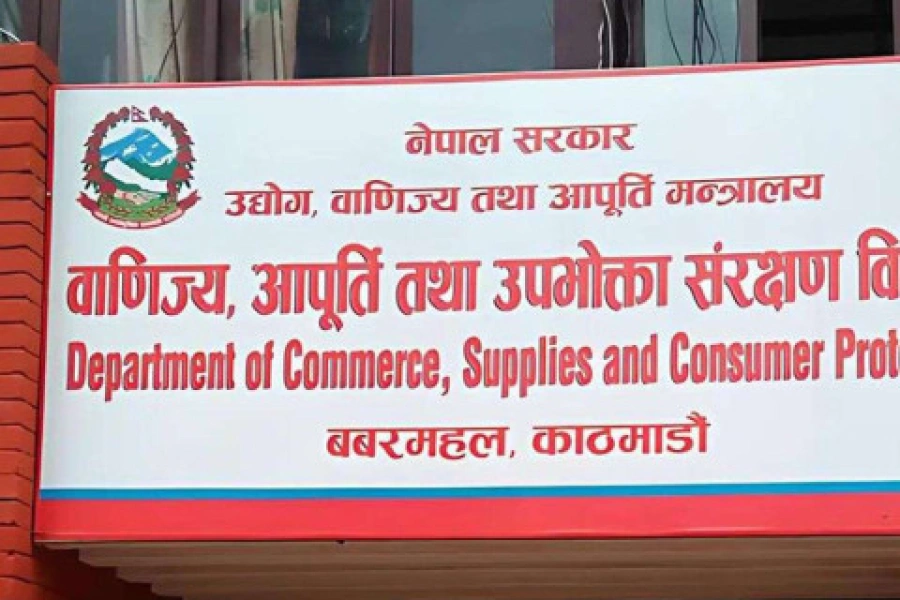
According to Kagendra Joshi, head of the Commerce and Supply Management Office at Dhangadi, the medical stores are also selling medicines at inflated prices. “People are not only running medical shops with fake PAN registrations but also charging higher prices than recommended by the government,” said Joshi.
According to the law, people can be fined up to Rs 5,000 with one year in jail if they are found illegally involved in medical-related business. “People are openly involved in all these illegal practices without any fear because no one has been detained so far for such behavior,” said a local.
Joshi informed that even the Sajha medical stores are fleecing locals in such criminal ways. “The marked price for de-worming capsules is Rs 10 but they are being sold at Rs 14,” said Joshi.
Hari Regmi, chairman of the National Consumer Rights Forum Kailali, blamed the DDA for the rise of such a situation. “Regular monitoring should be done by DDA, and medical stores involved in such criminal activities duly punished, for after all it´s the general public that suffers in the end,” said Regmi.
Meanwhile, Chhetri of DDA Nepalgunj said that they are unable to monitor the situation properly due to lack of a sufficient work force. “Our team is not big enough even to carry out a monitoring program every two or three months,” he said.
Related story
Nobel-worthy