The meeting that lasted till late evening was put off till 11 am Saturday as the UML and other parties remained at odd mainly over the issues surrounding voter registration and citizenship certificates. [break]Likewise, the ruling and opposition parties remained at odd over whether to resolve the constitutional difficulties related to the formation of a chief justice-led election government before the Supreme Court verdict or wait until the apex court verdict.
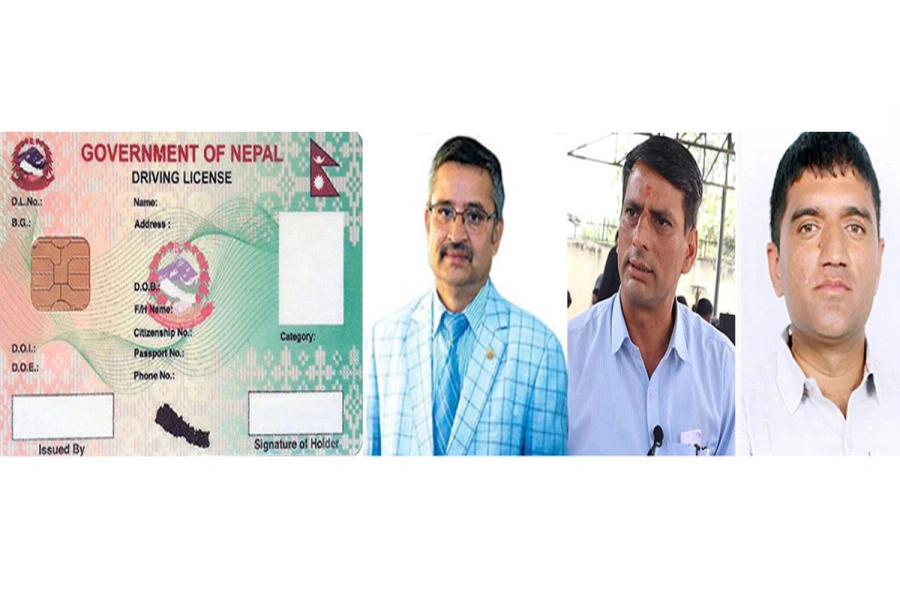
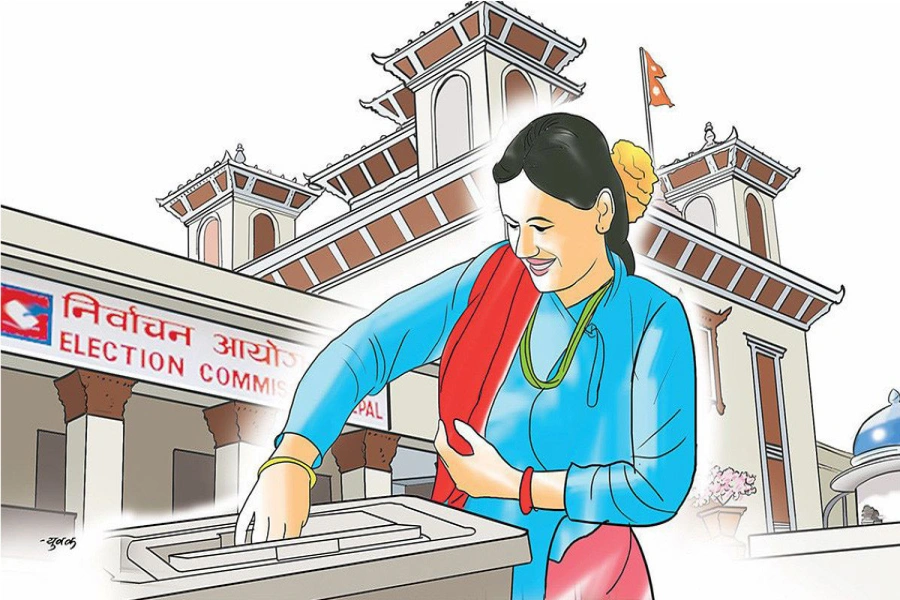
Talking to media persons after the meeting, UML leader Bhim Rawal said the UML maintained categorically that they cannot accept the issuing of voter identity cards with photograph to those who do not have citizenship certificates, bearing in mind the existing laws and the verdict of the Supreme Court concerning these very issues.
The parties failed to reach an agreement as the other parties at the meeting stood against the proposal, arguing that they wouldn´t have enough time to do that all.
Rawal said there was agreement among all parties on providing citizenship by descent to the children of those acquiring citizenship certificates by birth and on updating the voter registration carried out before the Constituent Assembly election of April, 2008. “But we have maintained that voter identity cards with photos should not be issued to those without citizenship certificates, in view of the existing laws and the supreme court verdict,” he said.
Rawal said they have proposed launching a one-month special campaign in the Tarai districts to provide citizenship certificates to those yet to get citizenship. “If we can hold a national census across the country in 10 days, why cannot we provide citizenship certificates to the eligible citizens?” he asked.
Leaders participating in the meeting said Maoist, NC and UDMF leaders were in favor of allowing voting rights even to those not obtaining voter identity cards with photographs. Citizenship certificates are a must for getting the voter identity cards with photographs issued by the Election Commission.
Though the leaders on Thursday had claimed that they had inched towards final agreement on the issue surrounding the Truth and Reconciliation Commission and rank determination for Maoist combatants choosing integration into the Nepal Army, both these issues remained contentious at Friday´s meeting also.
While the Maoists maintained that former Maoist combatants who have joined the NA as part of the integration should be provided the ranks of up to colonel and lieutenant-colonel, the UML argued that they cannot award such high positions through a political decision and against the established norms and standards of the national army.
The NC and UML maintained that the issue of rank determination should be determined through the Special Committee in line with the agreements reached among the political parties in the past.
In the case of the TRC, the Maoist and non-Maoist parties differed sharply on granting general amnesty to those involved in serious cases of human rights violation during the Maoist conflict.
While the Maoists demanded that all cases of human rights violation be granted a general amnesty as proposed in the ordinance already forwarded to the president´s office for endorsement, the UML and NC argued that the proposed TRC should be in line with the established norms and values of human rights and at par with international standards.
Talking to media after the meeting, NC Vice-president Ram Chandra Poudel said they will continue discussions on those issues at Saturday´s meeting. "Since the Taskforce could not resolve the issues today, we will sit again on Saturday to reach a consensus," he said.
Related story
Enhancing chartered accountancy