Set up in 2010, the Board is a government-owned entity tasked with the job of creating investment-friendly environment in the country and mobilizing investments through domestic and foreign sources for big projects. [break]However, it has not been able to implement even a single project so far despite taking over a dozen projects under its wing.
"Establishment of the Board is a great step forward which shows seriousness of purpose in creating an environment to enable the entry of private sector-led domestic and foreign investment in the country," Tahseen Sayed, Nepal country manager of the WB told a workshop on ´Private Investment in Infrastructure: Mapping a Way Forward in Nepal´, organized by the Board and the WB in Kathmandu on Monday.
She urged the Board to implement a "clean deal to send the right signal in and outside the country".
"This could contribute to the efforts made by the finance ministry in setting up the Board and help agencies like the World Bank to further the cause," said Sayed, who has been in the country for the last six months.
Nepal currently needs huge investments in infrastructure projects, as lack of power, road networks, modern transport facilities and irrigation channels has held back flow of significant amount of domestic and foreign investment in other sectors.
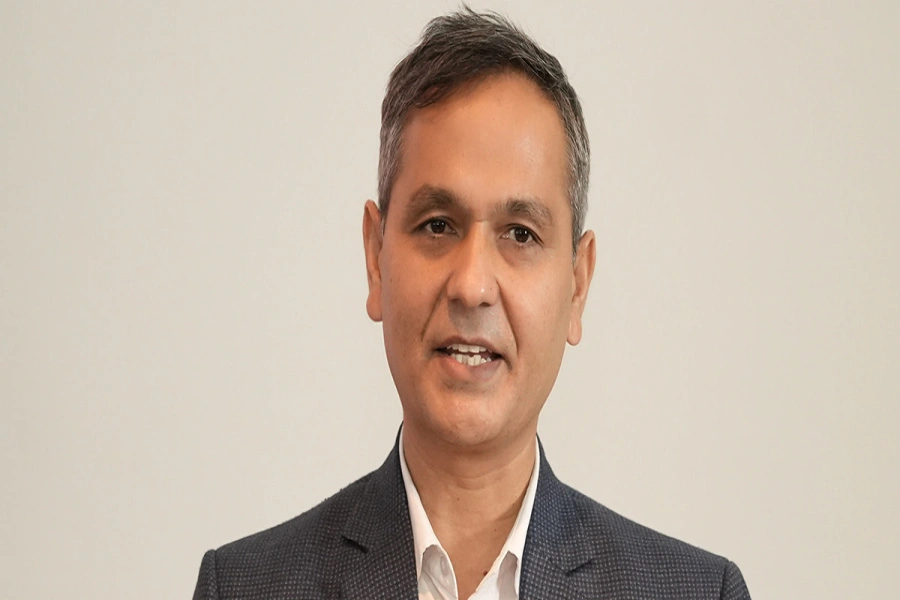
In the words of Radhesh Pant, CEO of the Board: "Weak investment in infrastructure is the single most important macro constraint for Nepal´s economic growth, which has had a cascading and crippling impact on other vital aspects of our economy, like tourism and industrial development."
The only solution to the problem is to increase infrastructure spending, which according to Pant, currently stands at less than one percent of the total gross domestic product (GDP).
The Asian Development Bank has said Nepal needs an estimated investment of US$40 billion in infrastructure till 2025 to achieve seven percent growth rate.
But in 2011, 25 development and financial institutions contributed $226 million to infrastructure and other economic sectors. And private sector investment in infrastructure stood at $35 million between 2005 to 2010.
"One of the crucial factors that is holding back private investment is the government´s inability to provide viability gap funding," Pant said, as projects apart from hydro and tourism, though economically feasible, are not considered financially viable.
Viability funding gap, or VFG, is the gap between estimated cost of the project and revenue that can be generated through implementation of the project.
For instance, if construction of a toll road is estimated at Rs 10 billion and toll collection after a certain period is expected to generate revenue of Rs 6 billion, then Rs 4 billion is the VFG.
The private sector may not be willing to take up a project because of this gap, said Sri Kumar Tadimalla, senior public private partnership specialist at the World Bank. He was of the view that the government should step in to fill this gap.
"So the question here should not be how much private investment can be mobilized but what the government can do to bring in private investment," he said. "Private sector only makes investment once it is ensured the channeled money can be recouped from users and the government."
Related story
Investment Board collaborates with KPMG to promote investment p...