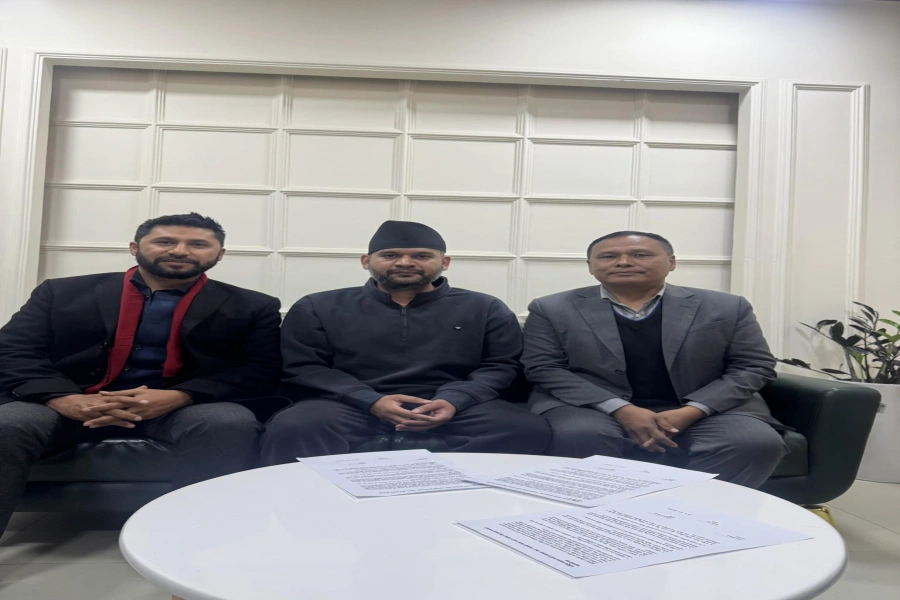
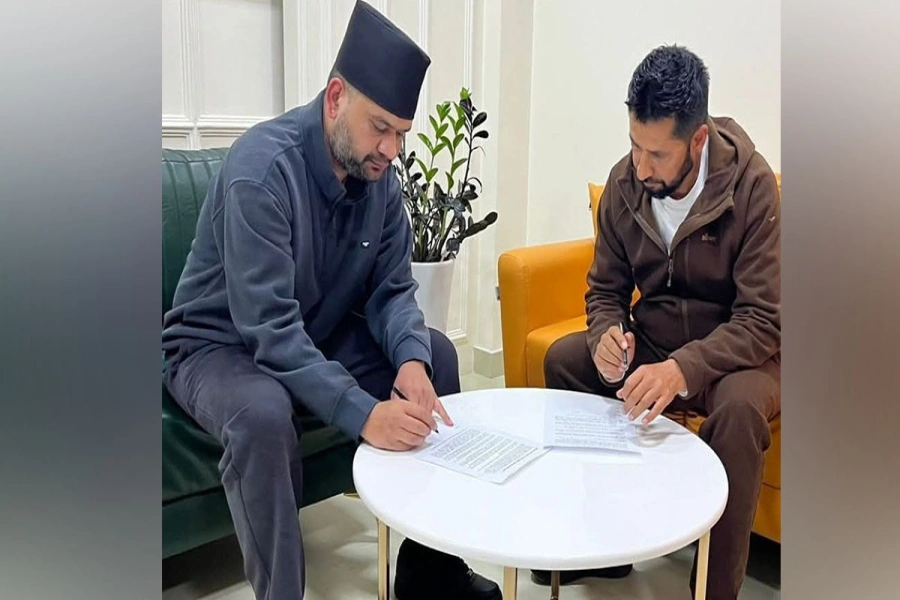
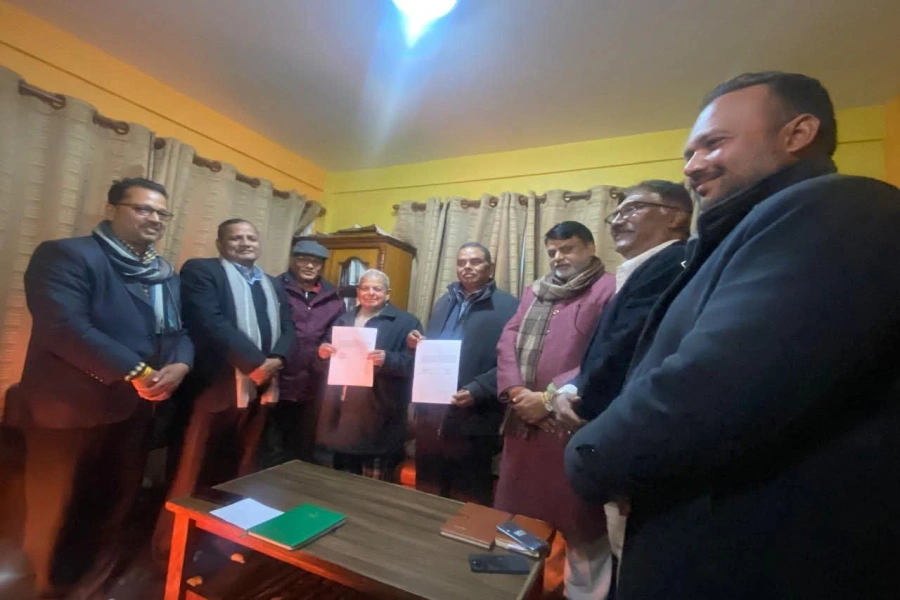
General Secretary of Madhesi People´s Rights Forum-Republican (MPRF-R) Atmaram Sah will propose the “Inclusion Bill 2012” while MPRF-Democratic central committee member Sarba Dev Ojha will second it, according to leaders involved in drafting the bill. [break]
“We have consulted lawmakers from indigenous and marginalized communities from almost all political parties represented in the Constituent Assembly (CA) for their inputs in the bill,” said a leader involved in preparing the bill.
Any bill introduced by a lawmaker in an individual capacity in parliament is called a private member bill.
Madhesi leaders have prepared the bill at a time when the bill committee of the cabinet is holding discussions on the contents of the government-prepared inclusion bill. The discussion on the bill has been prolonged as senior bureaucrats have objected to some of its provisions on grounds of meritocracy.
“The bill proposed by the government aims to amend existing various 16 acts while the private member bill will be a complete act in itself,” said the Madhesi leader.
The drafters of the private bill said they prepared the bill as they are not fully satisfied with the provisions of the bill tabled by government. They, for instance, argue that they are not ready to accept reservations based on social and economic grounds as there are no mechanisms to gauge the economic and social indicators of the marginalized groups.
“So, which body in the country is going to measure socio-economic status of the people?” questioned the leader, adding, “It will invite another serious controversy.”
The private member bill proposes 50 percent reservation quota in the civil service and political appointments for Madhesis, indigenous, disabled, Tharus, Muslims, Dalits and women from all regions. This reserved quota is two percent larger than that proposed by the government bill.
“The proposed quota will be divided proportionally among the communities on the basis of their population, which will be updated by proposed Inclusion Commission,” states the five-page private bill. The bill proposes that a particular group or community should be entitled to reservation only to that point till their representation in government service becomes proportionate to its population.
Similarly, the bill has proposed to increase the retirement and entry age in public service by five years. At present all public servants retire at the age of 58 while the entry age in civil service for men is 35 and 40 for women, irrespective of their ethnicity and social background. But this is different in the police and the national army.
The bill covers the Military Act, Armed Police Act, Civil Service Act, Health Service Act, Nepal Electricity Authority Act, among others. The private bill proposes that the quota system be made mandatory in all the services.
Related story
Draft Federal Civil Service Bill: Govt employees don't have to...