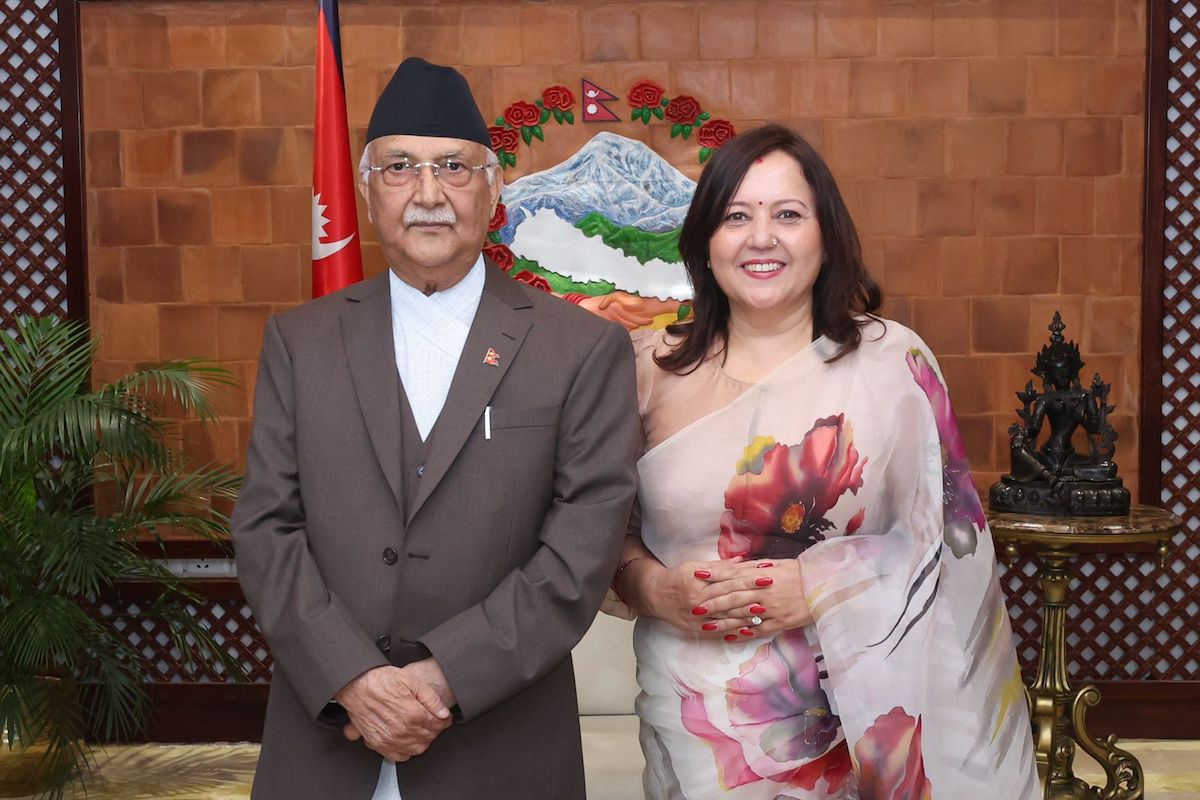
KATHMANDU, July 12: Prime Minister KP Sharma Oli has stressed that women and youth will be unable to move ahead in society without entrepreneurship.
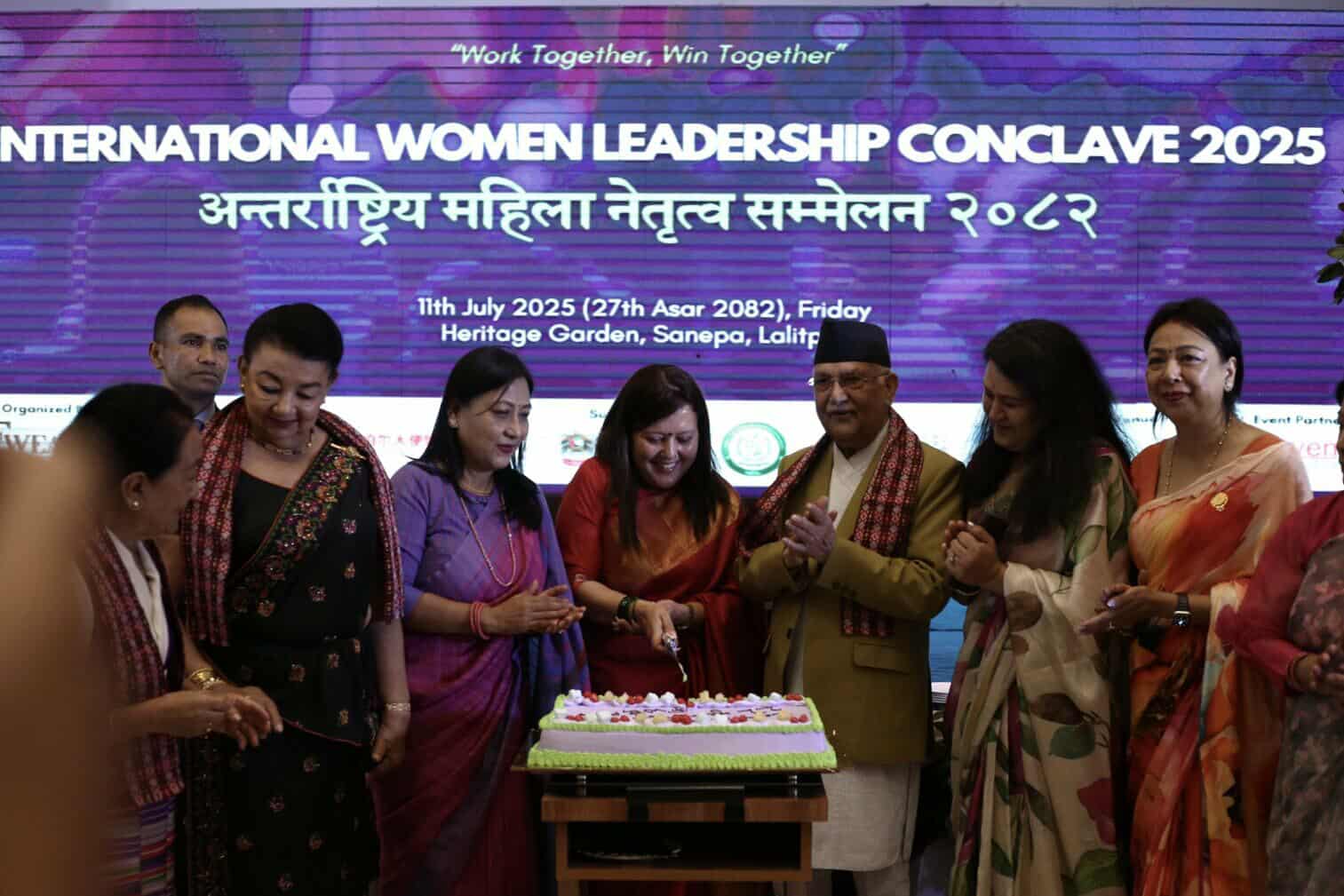
Addressing the International Women's Leadership Conference organized by the Federation of Women Entrepreneurs Association of Nepal (FWEAN) in Lalitpur on Friday, Prime Minister Oli said, “Without entrepreneurship, women and youth cannot move forward.”
The conference, which also marked the 22nd anniversary of the founding of the FWEAN, brought together entrepreneurs and experts from across Nepal and the SAARC region to explore key issues including the impact of climate change on business, the promotion of export-ready enterprises, and the role of artificial intelligence in business expansion.
Calling the event a timely and important initiative, Prime Minister Oli remarked, “Discussions on the impacts of climate change on business, the launch of export-oriented enterprises and the application of artificial intelligence for business growth are commendable efforts.”
Describing the gathering as more than just a milestone for the FWEAN, he said, “This is a historic moment not only for the FWEAN but for the entire landscape of Nepali women’s entrepreneurship.”
Two-day Huawei Digital Nepal Conclave 2022

Prime Minister Oli also highlighted that in Nepal, the number of female students exceeds that of male students in schools and colleges, and that 33 percent of leadership positions in local governments are now held by women—a sign of increasing political participation.
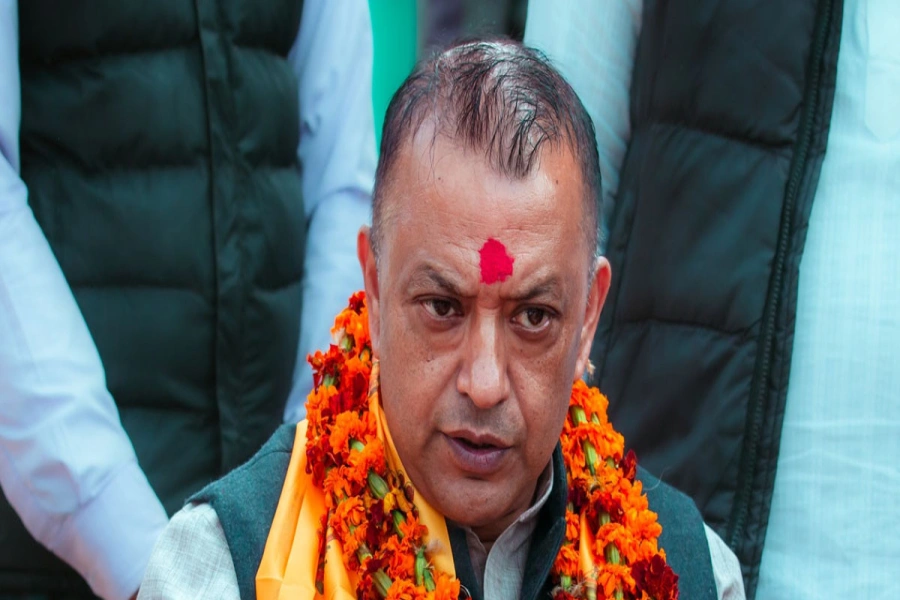
Minister for Industry, Commerce and Supplies Damodar Bhandari praised the FWEAN for its contribution to national economic growth. Quoting the vital role of women in the economy, he said, “Women are key contributors to the economy.” He added that the government has streamlined business registration and export processes to encourage more women entrepreneurs.
Minister Bhandari further emphasized the government’s commitment to climate-conscious enterprise: “To turn the crisis brought by climate change into opportunity, we have introduced the concept of green entrepreneurship. The government is committed to its development.”
Also addressing the function, Minister for Forests and Environment Ain Bahadur Shahi pledged full support from his ministry to promote women’s entrepreneurship.
FWEAN President Shova Gyawali marked the FWEAN’s entry into its 22nd year by highlighting its contributions to economic empowerment through innovation and enterprise. She added, “The government’s support and encouragement for startups focused on women and youth has been very meaningful.”
Gyawali also expressed hope that the conference outcomes would not only benefit Nepal, but the broader South Asian region as well.
Veena Sikri, founding trustee and convener of the South Asia Women’s Network (SWAN), pointed out that while women in South Asia engage in nearly every form of work, their contributions often go unrecorded. “If we were to account for women’s informal work, the numbers would be huge in terms of contribution to GDP,” she argued.
Highlighting how patriarchal thinking and cultural barriers hold women back, she said SWAN has been working across the region to empower women and ensure their contributions are recognized.
Also addressing the function, Shiranthi Rajapaksa—wife of former Sri Lankan Prime Minister Mahinda Rajapaksa—noted that in South Asia, women’s performance is often measured by obedience. She stressed the need for financial inclusion and technical training to economically empower women and urged South Asian nations to share best practices in the field of women’s empowerment.
UN Women Nepal’s Country Representative Patricia Fernandez Pacheco emphasized that digital and financial inclusion can play a transformative role. She urged the development of inclusive entrepreneurship systems, the removal of structural barriers, and a stronger focus on climate-resilient agriculture and business.
Ambassador of China to Nepal Chen Song stressed the need to invest in a holistic ecosystem—from childcare and literacy to entrepreneurship—to truly empower women. Ambassador Chen also highlighted the need to promote cross-border collaboration and measure the impact rigorously to make sure that the interventions made to promote women’s entrepreneurship are achieving desired results.
Ambassador of Pakistan to Nepal Abrar H. Hashmi said sustainable development goals cannot be achieved without empowering women. He also expressed happiness to be able to partner with FWEAN to promote women’s entrepreneurship in Nepal.
The conclave brought together prominent delegates and leaders from India, Pakistan, Bangladesh, Sri Lanka, China and the UAE Embassy to promote dialogue, collaboration and empowerment in the field of women’s leadership and entrepreneurship across the globe. The conclave featured three different panel discussions — Climate change and its impact on enterprises: Understanding risks and resilience strategies for women-led businesses in a changing climate around the globe; Building export-ready businesses: Equipping women entrepreneurs with knowledge and resources to access global markets; and Artificial intelligence in business: Exploring how women entrepreneurs can adopt AI tools to boost productivity, innovation and scalability.
Kohinoor Yeasmin, CEO of Tarango, Bangladesh; Rajendra Singh, TEPC; Dr. Prativa Pandey, Harveda Botanicals; Imrana Shahryar, Pakistan; Nahid Muniza, UAE Embassy in Nepal; Qin Wenci, Embassy of China in Nepal; Sunaina Pandey, President of the Computer Association of Nepal Federation; and Radhika Aryal, secretary at the Ministry of Communication and Information Technology, were among the participants in the panel discussions. The panel discussions were moderated by Dr Rajib Subba, Suman Shakya and Laxman Pandey