

Nepali politics in 2071
The 2071st year of the Bikram Sambat was a total waste so far as progress on new constitution is concerned. The Sushil Koirala government was formed with the sole mandate of delivering constitution within a year. But fourteen months on, the constitutional process remains stuck where the first Constituent Assembly left off. Koirala, without a shadow of doubt, has been a weak prime minister. Neither has he been able to take the opposition alliance into confidence on new constitution nor does he seem to have the resolve to push through a final vote in the CA.
Project construction in Chitwan hard hit by fuel prices rise an...

As leader of the government at such a critical juncture—after four wasted years of the first Constituent Assembly—we expected more urgency from Koirala. Yes, he was right to want to include Maoist and Madheshi parties in the constitutional process. But even after it became clear that such consensus was not forthcoming, he made no effort whatsoever to push for a vote in the Constituent Assembly. This, in a way, is betrayal of the mandate of second CA polls.
Each of the three main parties—Nepali Congress, CPN-UML as well as UCPN (Maoist)—went to the people asking them to give them two-thirds majority. All three sets of leaders seemed to have realized that total consensus on constitution was unlikely and time had come to make some hard choices.
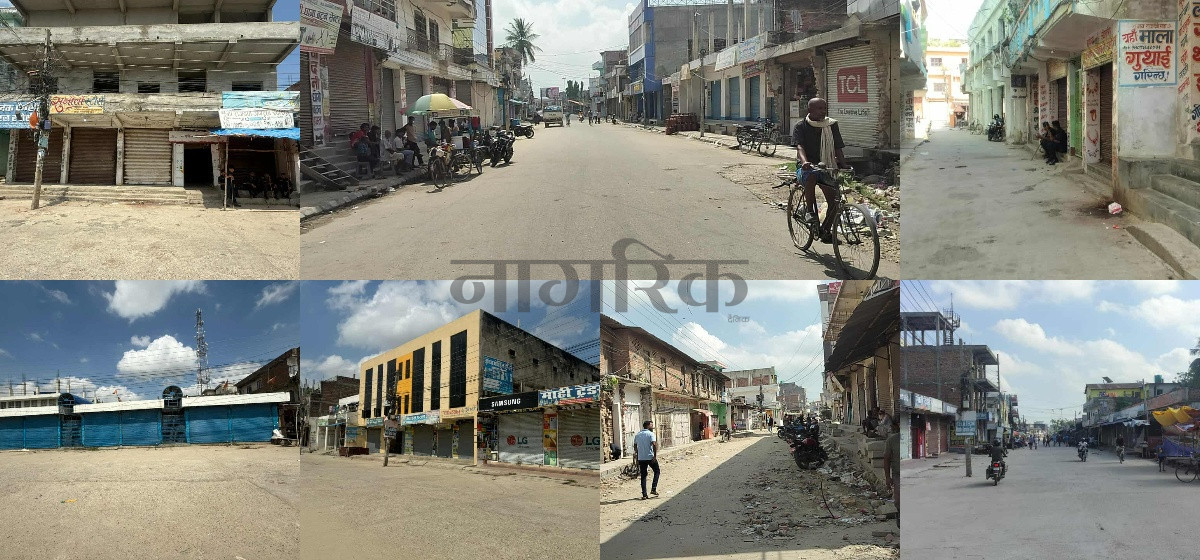
Instead, PM Koirala chose the easiest way out: of doing nothing. The hard-lifting on the ruling coalition's behalf was left to KP Oli, the sickly UML chairman who is now strong enough to climb Dharahara. Oli, notwithstanding his new leg muscles, for now seems content with chairmanship of the party that has suddenly found it convenient to drape itself in the blue and red of the national flag. Top Congress leaders for their part seem distracted by the upcoming General Convention in September. The divided opposition, meanwhile, is groping in the dark after cutting short its three-day national strike.
All indications are that Nepalis will have to wait for a while yet for constitution. CA Chairman Subhas Nembang has dropped the biggest hint yet to that effect: talking to journalists last week, Nembang, who is known to carefully weigh every word he utters, assured: "the upcoming year [2072 BS] must not end without a statute ". The constitution, in other words, is at least a year away.
The coalition government seems to be in a mood to tire out the opposition. The opposition parties will have to be ready to stay in the opposition for three more years of the CA's remaining time, or they have to try to drum up support for their constitutional agenda through the street, perhaps for months on end. Neither prospect is very appealing.
Our biggest fear is that the longer the transition—with all its associated uncertainties— drags on, the greater the risk of loss of vital post-2006 achievements. The Hindu hard right is starting to assert itself; voices against federalism are getting loud; and Netra Bikram Chand is reportedly busy amassing a militia. The waiting game the ruling coalition partners are playing (and to which the opposition seems to have tacitly acceded to) is thus dangerous. Much wiser to settle the constitution soon—one way or the other.






_20240311121839.jpg)










-1200x560-1779450784.webp)

