None of the Madhesi parties has proposed any plan to include Hill migrants in the state structure or even in the provincial mechanisms. All this while the manifestos of these parties say that the population of Hill migrants stands at 35 per cent of the total population in Madhes. [break]
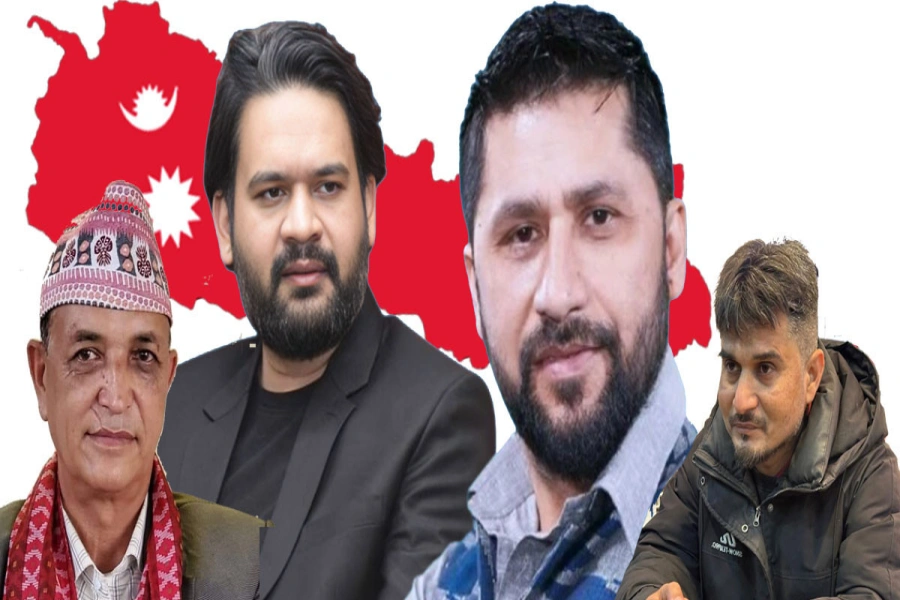
The manifestos of the four major Madhesi parties--Upendra Yadav-led Madhesi People´s Right Forum-Nepal (MPRF-N), Bijay Kumar Gachchhadar-led MPRF-D, Mahanth Thakur-led Tarai Madhes Democratic Party (TMDP) and Rajendra Mahato-led Sadbhawana Party (SP)--have remained largely silent about the Hill community people living in the southern belt of Nepal.
As per the manifesto of MPRF-N, the Tarai is home to both the Madhesi and Hill communities. The manifesto further says that under new state restructuring, all the ethnic communities living in the Tarai should have their respective places.
"Madhesis, Tharus, Muslims, the indigenous, Dalits, women and marginalized communities, among others, should have representation in all the state mechanism on the basis of their population," says MPRF-N in its 40-page manifesto on the section concerning ´inclusion´. However, the party remains silent on the inclusion of the non-Madhesi community, which makes up a large chunk of the population.
MPRF-D´s manifesto goes a step further. It says that the migration of the Hill community to the Tarai is an attempt to marginalize the Madhesi community. "The population of Hill migrants in the Tarai was 5.9 per cent during the census of 1952-54. But now, the population in the Tarai of the non-Madhesi [Hill] community stands at 35 per cent, and this shows a process underway to marginalize the real Madheshi community in their own homeland," reads the manifesto.
The party further maintains that this process will foment dissent and violence on the part of the Madhesi community. The party goes on to demand a halt to the migration of Hill-origin people to the Tarai. "Stakeholders should pay attention to this on time," says MPRF-D its 30-page manifesto.
Similarly, TMDP has said that their party would take initiative to institutionalize ´true inclusion´ in the country. "In the federal structure of Nepal, all the ethnic communities should have representation in the state machinery on the basis of their population, including in the police and the bureaucracy," says TMDP in its 23-page manifesto.
Upholding its previous stance, TMDP has proposed an inclusive and single state of Madhes, but it stops short of saying anything about how the people of the Hill community would be included. Many of them have been residing in the region for generations. The party has floated plans for various communities under the relevent section in its policy, but the term ´people of Hill origin´ is not mentioned.
Similarly, SP in its manifesto says that the party would take initiatives to institutionalize the rights of Muslims, women, the indigenous, Dalits, Tharus, the marginalized and backward communities in the federal set up of Nepal. But, like the other Madhesi parties, SP has also remained silent about accommodating the Hill community in Madhes once the country adopts a federal structure.
The Sharat Singh Bhandari-led National Madhes Socialist Party (NMSP) announced that it would pledge to ensure the rights of various ethnic communities, including the Hill community, living in the Tarai region. NMSP has proposed lofty plans and reservations for Muslims, Tharus, women and indigenous people, among others, but the party remains silent about the the concerns of the Hill community. Even tough NMSP admits that they would pledge to ensure the rights of the Hill community in the Tarai, it fails to propose any program for Hill migrants.
Political analyst Debesh Jha remarks that the Madhesi parties limiting their concerns just to the Madhesi community is due to their fear of losing their electoral constituency in that community. "The Madhesi parties have apparently failed to include the Hill community in their agenda. The parties are ignoring such a large chunk of the population at their own cost," he analyzes.
Jha insists that the attitude of the Madhesi parties is a result of the NC and UML ignoring the concerns of the Madhesi community, and is in line with the politics of revenge.
"There is no substantial difference between the major parties and the Madhesi parties." He further says that the Madhesi parties have also been engaged in the politics of discrimination.
"They are practicing the politics of division and are boycotting the concerns of the Hill community in the Tarai, despite claiming to be champions of inclusion," adds Jha. He maintains that the Hill community residing in the Tarai should get equal treatment with the Madhesis because they are also part of Madhes. "The Hill community is worried about their participation in the would-be provinces of the Tarai because they fear a repeat of past experience during the Madhes uprising."
Their election manifesto is centred on Madhesis to woo the Madhesi vote and this is a form of discriminatory politics. "This kind of discriminatory politics cannot last," added Jha.
Related story
Tourism in party manifestos: From doubling arrivals to doubling...