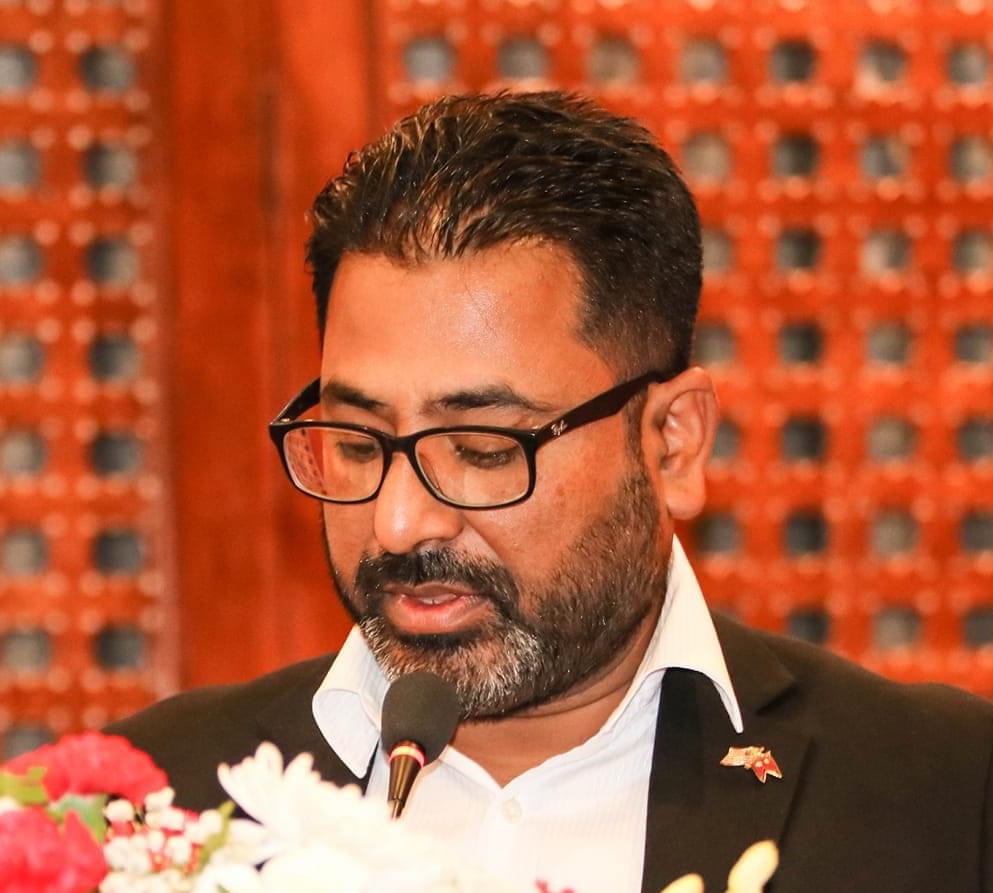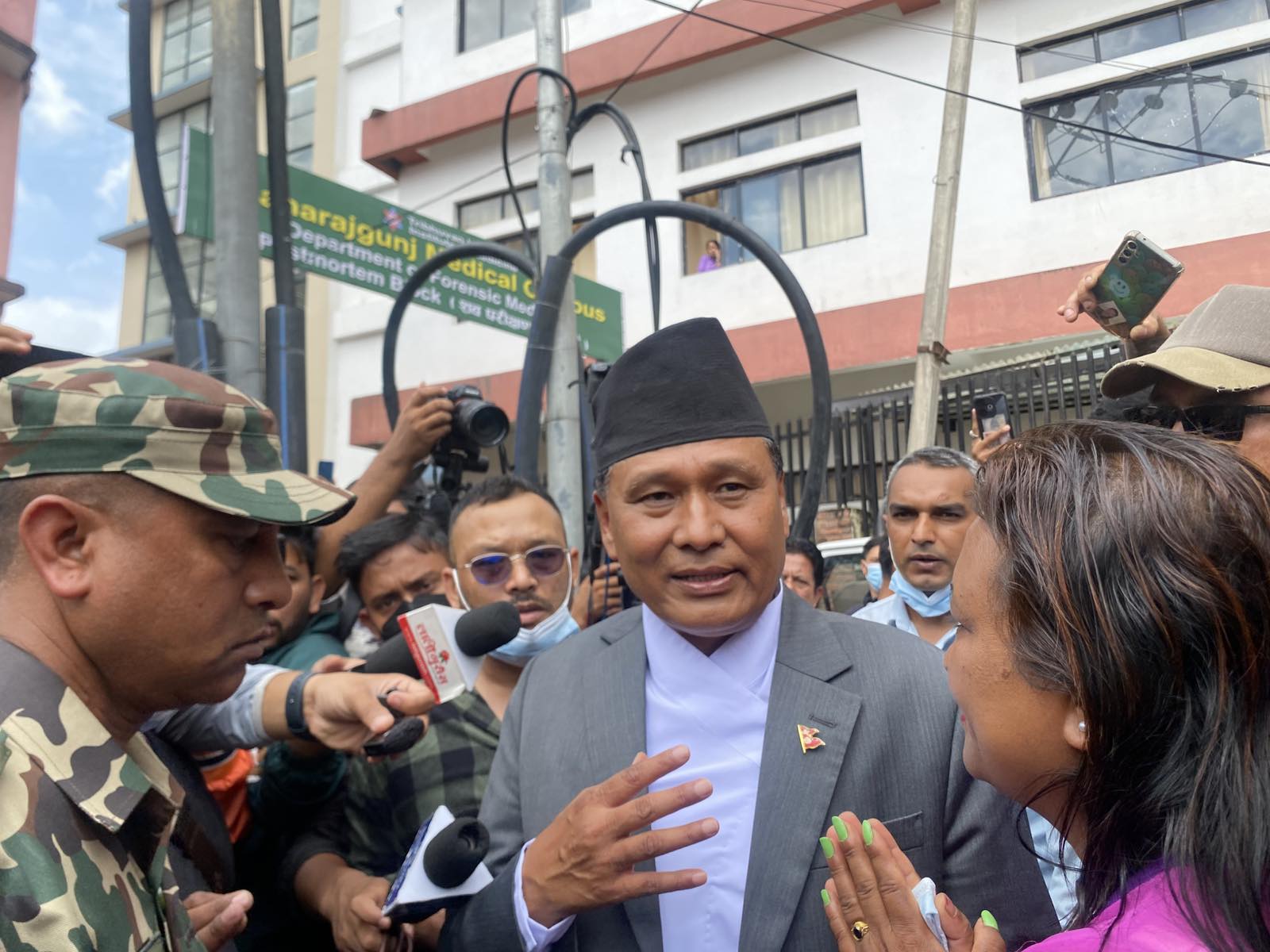
KATHMANDU, Sept 15: Kulman Ghising, celebrated as Nepal’s “light man” for ending crippling load-shedding across the country, has now been handed an even bigger mandate: leading the ministries responsible for energy, water resources, irrigation and physical infrastructure. In the interim government formed after the Gen-Z movement, Ghising has been appointed Minister for Energy, Water Resources and Irrigation, and Minister for Physical Infrastructure and Urban Development.
The appointment carries an unusual irony. Ghising was once dismissed as Managing Director of the Nepal Electricity Authority (NEA) under KP Oli’s government after disputes over recovering dues from industries using dedicated and trunk power lines. Today, he heads the very ministry that had orchestrated his removal during the tenure of controversial Deepak Khadka as minister.
Despite speculation about his political ambitions, Ghising said he never envisioned a ministerial role so soon. Yet, he wasted no time in resuming efforts to collect the nearly Rs 7 billion owed by 28 industries under the disputed category—a matter that had cost him his NEA post.
Gandaki CM Adhikari splits two ministries, number of ministries...

As NEA chief, Ghising had taken the bold step of cutting power lines to some defiant industries, triggering clashes with the government and ultimately his dismissal. Industrialists had argued they were willing to pay bills based on Time-of-Day (ToD) meters, which the NEA allegedly failed to provide. Even a government-appointed commission, led by former Supreme Court Justice Girish Chandra Lal, could not bridge the divide.
Now, as minister, Ghising faces the same unresolved challenge. Adding another layer of complexity, Hitendra Dev Shakya—who replaced Ghising as NEA’s MD—is now serving under him at the ministry.
But Ghising’s responsibilities stretch far beyond the energy sector. He is now tasked with charting the country’s infrastructure roadmap, repairing damage from the Gen-Z movement, restoring public services, and addressing corruption, delays and inefficiencies in public works. His mandate also includes expanding electricity generation, building transmission networks, fostering private-sector participation, boosting power exports, and ensuring irrigation—especially in the Madhes region, which saw failed paddy planting due to water shortages.
Speaking on assuming office, Ghising acknowledged the enormity of the challenge. “Leading ministries that shape the country’s infrastructure is not just an honour but a heavy responsibility that comes with both pain and hope,” he said. “My goal is simple: to repair what has been broken and rebuild what has been destroyed.”
Calling for national unity, Ghising framed his mission as part of a broader vision inspired by the Gen-Z movement: “This is the start of a journey to realize the Gen-Z generation’s dream of a prosperous Nepal. We must work together for reconstruction, cooperation and a shared future.”
The recent unrest inflicted widespread damage on public and private structures, disrupting essential services and shaking private-sector confidence. Ghising stressed the urgency of restoring morale, fast-tracking reconstruction, and conducting elections on schedule. “Time is short, but not a single second will be wasted,” he said. “Restoring disrupted public services will be our immediate priority.”
Reflecting on his tenure at NEA, when he ended daily power cuts of up to 18 hours, Ghising vowed to apply his technical and administrative expertise to his new role. He reaffirmed his commitment to the Ujyalo Nepal Campaign (Bright Nepal Campaign), originally launched to instill hope and demonstrate that progress is possible. “This campaign is not only about lights—it is about good governance, efficient public service delivery, social justice, and economic prosperity. For me, Ujyalo Nepal is a lifelong mission.”
Ghising also unveiled a new reconstruction initiative to build our public structures by us, aiming to mobilise Nepalis at home and abroad in transparent, collective efforts. He stressed the importance of completing large infrastructure projects on time and up to quality standards, warning that past delays have already exacted a heavy cost on the country.