The talks were focused mainly on the electoral system -- the total number of constituencies and the ratio between the lawmakers elected through the first-past-the-post and propotional system. [break]
Though the leaders agreed that 205 lawmakers should be elected through the first-past-the-post system, they were divided on the total strength of the future legislature. Though some leaders argued that an equal number of lawmakers should be elected through a proportional system, top leaders were in agreement that 410 would be too large a size for the legislature.
“Parties may end up agreeing to elect two-thirds of the lawmakers through first-past-the-post and one-third through proportional system,” said a leader engaged in the negotiations.
Lawmakers belonging to the Baidya faction in the Maoist party even demanded that all the lawmakers should be elected through proportional system.

Maoist leader from the dissident faction Dev Gurung said they pushed for fully proportional electoral system in line with the provisions enshrined in the Interim Constitution and the decisions taken in the CA’s various thematic committees. “Whatever may be the electoral system, there should be fully proportional representation in election results. This is our bottomline,” Gurung told Republica.
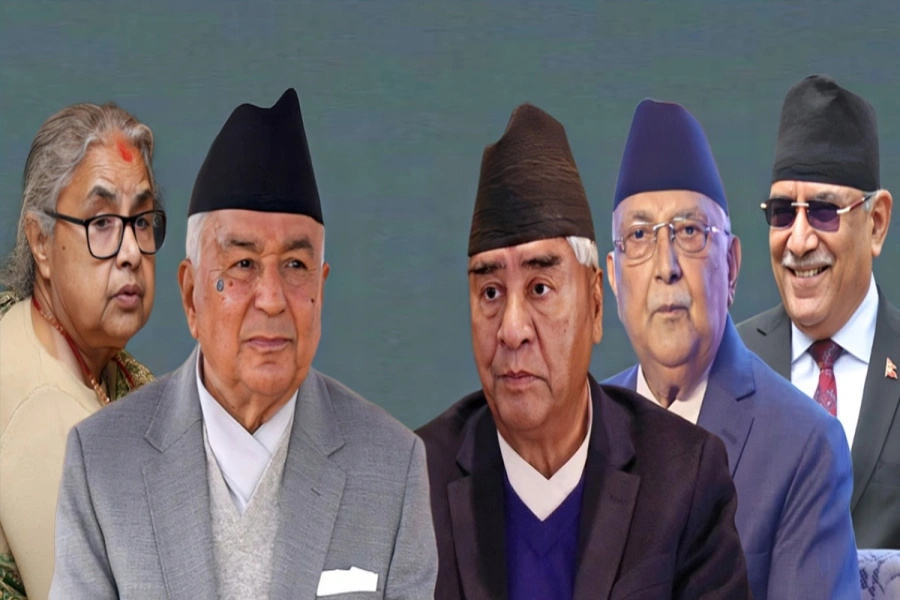
Maoist Chairman Dahal, Nepali Congress President Sushil Koirala, CPN-UML Chairman Jhalanath Khanal and top leaders from Madhes-based political parties flanked by their key second-rung leaders were present during the talks.
Talking to media, Madhesi People’s Rights Forum-Democratic Chairman Bijay Kumar Gachchhadar said the issues related to system of governance, electoral system and state restructuring will be settled through next round of talks slated for Tuesday. “As these issues are interlinked we expect a breakthrough by Tuesday,” said Gachchhadar.
Gachchhadar said though they have agreed in principle to adopt the mixed model of system of governance, they are yet to define the jurisdiction of the president and prime minister and work out other details of the model. The parties are scheduled to hold meeting with fringe parties represented in the CA on Tuesday afternoon.
On Monday afternoon, Dahal briefed the Constitutional Committee meeting that the top leaders from the major political parties had already resolved some of the issues and had narrowed down differences over the remaining disputes as well.
He said the leaders were in final stages of determining the system of governance. “We are very close to agreement and it is almost final that we will adopt a mixed system,” CC member Sunil Prajapati of Nepal Workers and Peasants Party (NWPP) quoted Dahal as saying. In the mixed system of governance, executive powers will be shared between the popularly-elected president and the parliament-elected prime minister.
On citizenship row, Dahal said they had decided not to incorporate any provision discriminatory to women in regard to granting citizenship to children of Nepali nationals.
Related story
PM Oli virtually announces breakthrough of Siddhababa tunnel