POKHARA, Oct 14: Last month’s Gen Z movement has left the tourism industry in disarray. Just as Nepal’s main tourist season was about to begin, the protests disrupted the inflow of foreign travelers. Many visitors who had planned to visit Nepal for leisure abruptly canceled their trips. Business owners say the strong wave of advance bookings they had received for this season sharply declined following the unrest.
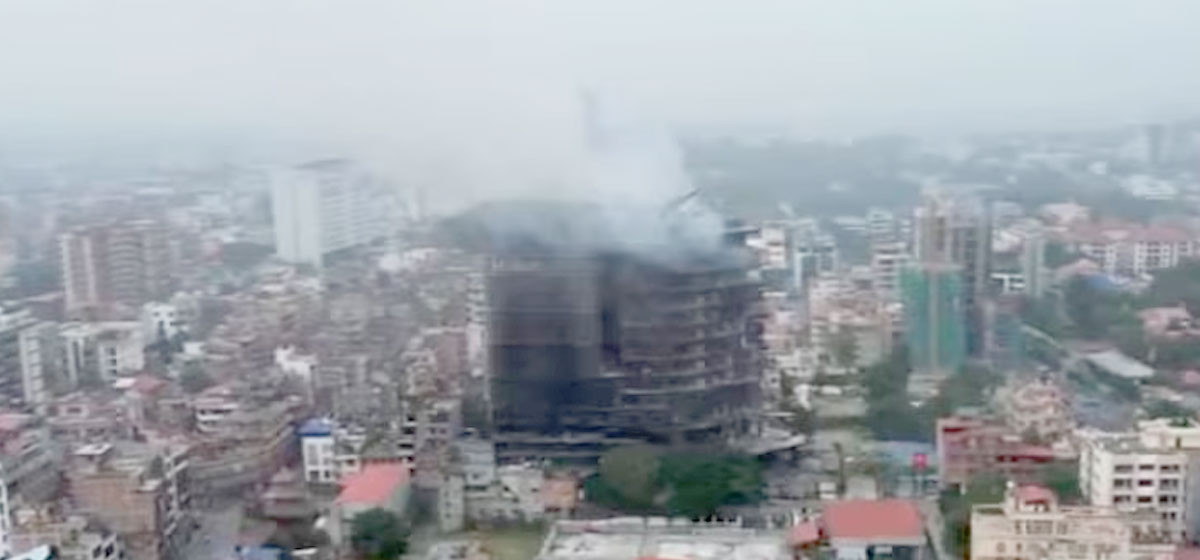
During the protests, several tourism infrastructures were vandalized and set on fire. Around a dozen tourism-related establishments were damaged in Pokhara, the tourism capital of Nepal. According to local entrepreneurs, the destruction of infrastructure and the decline in foreign visitors have rendered many workers dependent on tourism jobless.
Many laborers who made a living by serving tourists are now unemployed. According to the Tourism Board, nearly 2,500 workers in Pokhara have been left jobless due to the Gen Z protests. The board stated that until foreign tourists start arriving again, these workers are unlikely to find sufficient employment. It also warned that since some damaged infrastructures will take time to be restored, workers employed there may remain out of work for even longer.
Maniraj Lamichhane, head of the Gandaki Province office of the Nepal Tourism Board, confirmed that at least 2,500 tourism workers have been affected by the Gen Z movement. Of them, around 1,000 are from Pokhara city alone.
Desperate search for missing girls as nearly 80 dead in Texas f...

“After the vandalism and arson at tourism establishments, workers employed there lost their jobs. Likewise, those who earned their income by serving tourists are also unemployed,” said Lamichhane. “Visitors who were preparing to travel to Nepal suddenly stopped coming. Many who had made bookings for this season canceled their trips, leaving workers who relied on serving them without jobs.”
This is the peak tourist season. If not for the Gen Z protests, Pokhara and other destinations would be crowded with foreign guests by now. Businesses were optimistic due to strong advance bookings, but after the cancellations, workers dependent on tourism became jobless, Lamichhane said. According to him, workers in trekking, travel, rafting, and trekking equipment shops have been the most affected.
“Many workers ran their households with income earned from leading treks. But now, tourists haven’t arrived. Without tourists, there’s no work,” he said. “Without work, there’s no wage. Workers who hoped to earn some money during this season are now unemployed. Until foreign tourists begin arriving, they won’t have jobs.”
While the protests hurt the entire tourism industry, daily wage earners who directly assist tourists have suffered the most, he added. “The absence of tourists has affected the entire sector, but those who earn daily wages by serving tourists have been hit hardest,” he said. “Those who survive on day-to-day earnings are facing the most hardship.”
A similar situation occurred during the COVID-19 pandemic, when many workers lost their jobs. “The coronavirus had long-term effects, displacing both workers and business owners from their professions,” he said. “This time, the impact may not last that long. Once tourists start arriving again, work will resume—but this season, the chance to earn is gone.”
He added that this period is ideal for trekking, and a large number of foreigners had planned to visit Nepal for that purpose. Most of them, however, have now postponed or canceled their plans.
“Normally, many tourists would trek through the Annapurna region via Pokhara,” he said. “Now, tourists haven’t arrived. Without them, trekking guides, porters, and hotel workers along the trekking routes have no work. When hotels don’t run, workers lose their jobs.”
According to entrepreneurs, hotels along trekking routes usually hire extra workers during the peak season to accommodate more guests. But with tourists not arriving, those seasonal workers have also been left unemployed.
Tourism expert and former Tourism Board member Tika Ram Sapkota said the Gen Z protests have rendered hundreds of tourism workers jobless. “At least 2,500 workers have been affected. Of them, around 500 have reportedly returned to work, but roughly 2,000 remain unemployed,” Sapkota said, “Hundreds of workers from hotels that were vandalized or burned have been affected and are unlikely to find immediate employment. The lack of tourists also impacts trekking workers, guides, porters, and self-employed individuals who depend on tourism.”
He added that businesses ranging from travel and trekking agencies to trekking gear shops have all been affected. “Until foreign tourists return, tourism workers cannot sustain their livelihoods,” he said, “European tourists who usually visit for trekking have halted their plans. There’s little chance of visitors arriving this season. Without tourists, workers simply have no work.”