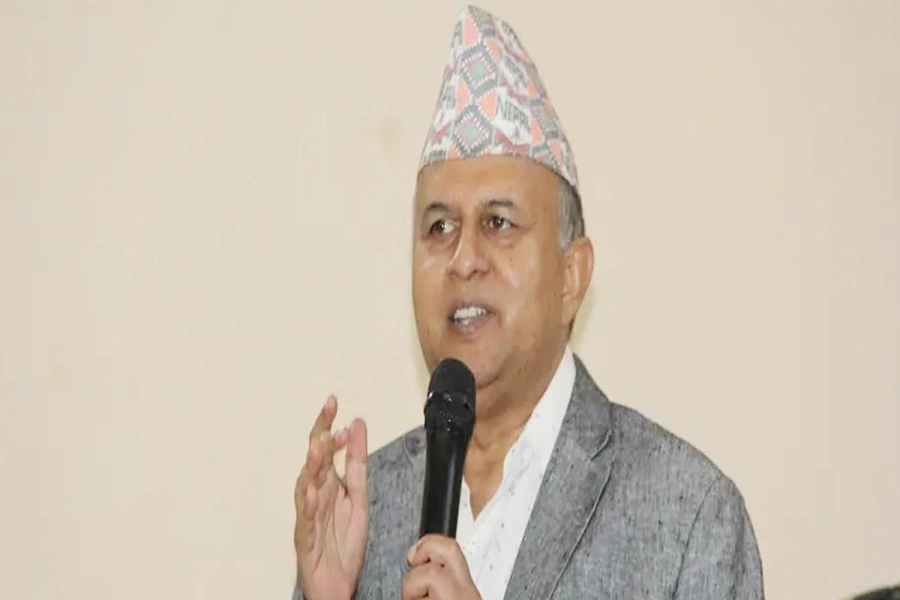
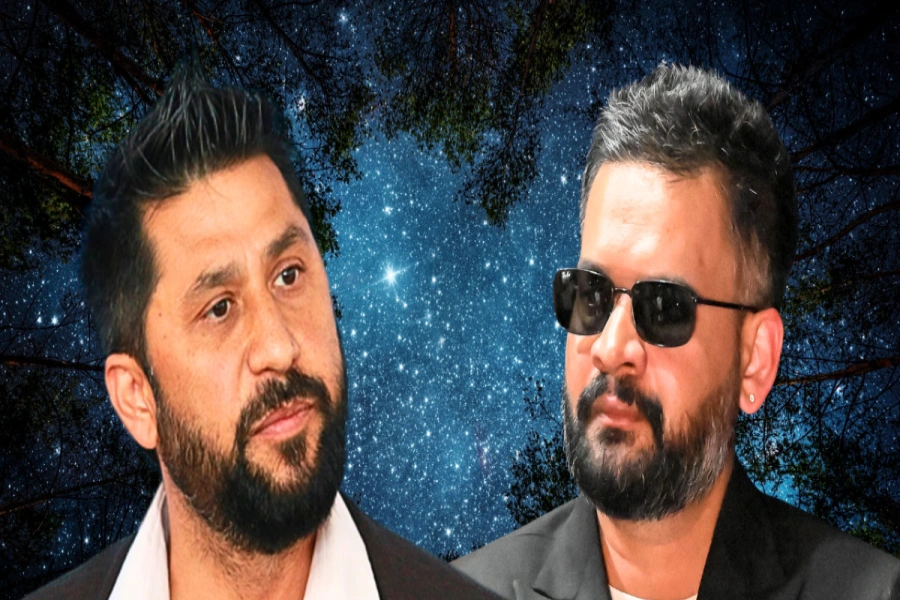
"All of my friends and I have bikes and scootys, it makes life easier. We need them for transportation," claims Supriya Kunwar, 18, a student at Malpi International College. Kunwar argues that they are a basic necessity and that this issue should be taken up at home instead of colleges.[break]
Echoing that line of argument is Rojol Thapa, 18, also from Malpi. Thapa doesn´t believe that his college will ban bikes anytime soon but is against the idea. "If the government tries to implement this, I won´t follow," he states, but admits that he would comply with school rules if Malpi enforced the ban.
If students are venomously against their two-wheelers being taken away, why are schools considering the ban? Naresh Shrestha, Principle of Prime College, Naya Bazaar, Kathmandu, asks, "The young kids don´t have any control, and although they may act responsibly, once they are elsewhere they are reckless." This attitude is common among the +2 students and so Shrestha believes they should be regulated until they reach the maturity of Bachelor´s level students.
Another reason why this mode of transportation should be halted is due to the belief that those who posses their own vehicles are more likely to play hooky. To that Rojol Thapa responds, "Bunking depends on the students. If they´re the type to bunk, they´ll do it regardless of owning a bike."

Furthermore, "There have been many unfortunate incidents of fatalities and students losing limbs," claims Lok Bahadur Bhandari, Managing Director of Xavier International College, Kalopool. Bhandari states that on top of accidents, students have been taking advantage of the freedom their rides give them and it has even affected their studies. He adds that parents too are in favor of limiting the usage of bikes and scooters.
Shrestha expands, "Parents have come and voiced their concerns. They come from different financial backgrounds and can´t always give into the demands of their children."
Shrestha claims students exert pressure on parents and though the college is not obliged to step in, he feels some social responsibility to take a load off parents.
Kamal Thapa whose son is studying at Alok Vidyashram, Pashupati says that although he supports the general idea behind the ban, he finds it impractical. "I personally like the idea of banning, but in the case of my son it is not very practical." Thapa lives in Bhainsepati and tells of the hours his son wastes getting to and from Pashupati via local bus.
Not all parents are in favor of the ban. Binu Khadka says, "For the students have to travel long distances, bikes are needed." Chiraz, 18, Khadka´s son, agrees with his mother. "Banning bikes isn´t a good idea, some students have a long way to go and they won´t be able to make it on time going on public transportation."
Khadka believes although schools should take some action, parents need to shoulder the majority of the responsibility. According to her parents should follow up on their children, not colleges. Khadka says it´s up to the parents to check in on their children.
Another individual who disagrees with Khadka is Deputy Inspector General of Police (DIGP) Binod Singh. "Banning is not the right solution, the situation needs to be managed better," says the DIGP. He points out that most traffic violations are caused by students, "They modify their bikes by altering them," he says referring to noise amplifiers, additional lights and increased two-wheelers speed.
"What colleges can do is check to make sure bikes haven´t been modified," he suggests. Beyond that the DIGP believes things like changing the license requirement will help. "Right now we only have a handling test, but we also need to have a driving test and send people to driving school."
Furthermore, the DIGP mentions that there are means of combating youth violence via penalties but he believes the best way to tackle the issue is to create awareness. Such existing programs include concerts, trainings in colleges as well as informative training for parents.
People who have taken the issue into their own hands are clubs like MotobikeNepal which is comprised mostly of college students. They´ve even let clubs on educational tours, as the website, motobikenepal.com, states, "Since most of the bike riders these days are from colleges and to ensure maximum safety among young riders, such awareness programs have been very useful."
Administrator of Motobikenepal, Suwask Khadka says that instead of banning bikes, the age for acquiring licenses should be moved from 16 to 18. He adds: "Bikes aren´t just for transportation; for the urban youth it´s a necessity."
Related story
Ministry of Youth and Sports in collaboration with UN in Nepal...