KATHMANDU, Feb 21: It all happened at the 2007 Ashden Awards for Sustainable Energy held in London. A 61 year old man from Nepal shook hands with former US Vice-President and Nobel laureate Al Gore, and walked away with the second prize for Enterprise for work done by his organization - Centre for Rural Technology (CRT).
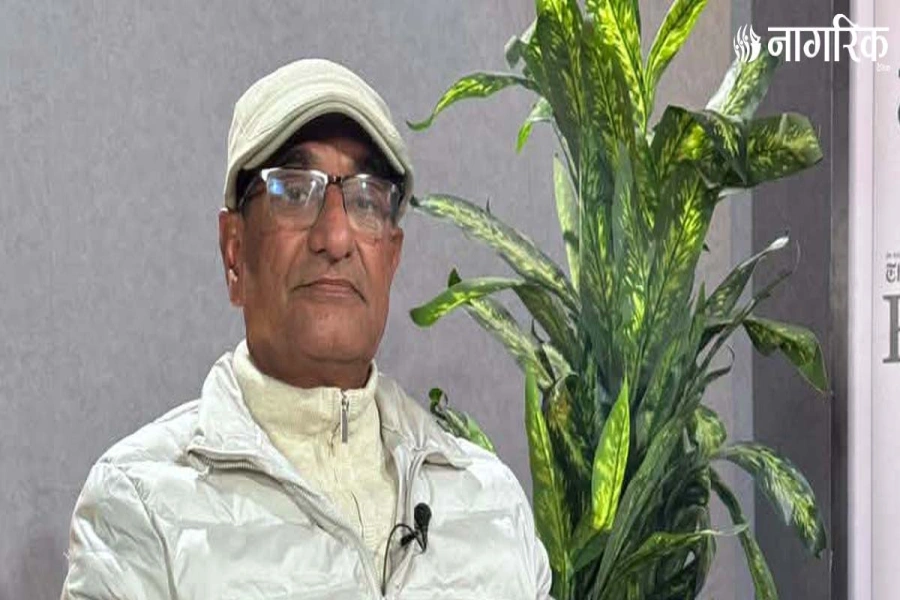
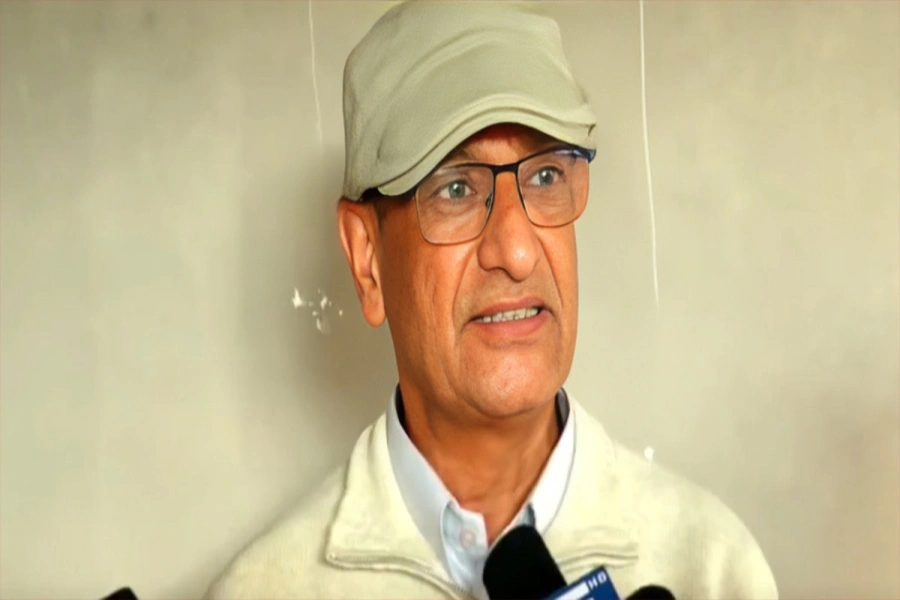
The man, Lumin Kumar Shrestha, an agricultural economist from Kathmandu’s New Baneshwar, remembers that day as beautiful.
The CRT got the award for improving 2,400 pani ghattas (water mills) out of the 25,000 in Nepal. By the end of 2008, the CRT claims that the number of improved ghattas reached 4,720. [break]
“The improved pani ghattas have directly benefited 245,000 households, which translates to 1.5 million people in 72 districts of Nepal,” asserts Shrestha, who has been working in this field solidly since 1989.
To understand the concept of improved pani ghattas, says Shrestha, it is first necessary to understand the history behind traditional pani ghattas.
“People who didn’t have any land or any other method of earning a living usually resorted to making a pani ghatta from very basic materials,” he shares.
Traditional pani ghattas had wooden turbines and were once housed in ramshackle cottages. Not only was the efficiency of these pani ghattas very poor, but they also required a lot of time and energy to repair them. Furthermore, the use of the ghattas was restricted to grinding alone.
The main feature of the improved ghattas is the metal turbine, which has a guarantee of 25 years and is 100% more efficient than traditional pani ghattas.
“Now, the improved pani ghattas are being used for paddy hulling, sawing wood, and, most interestingly, generating electricity,” says Shrestha.
One of Shrestha´s favorite examples is one pani ghatta in Kalikot which generates 3 kilowatts of electricity and is benefiting 82 households.
However, the percentage of these multipurpose pani ghattas is still low. According to CRT figures, only 13% of the improved pani ghattas do things other than grinding. And only six pani ghattas are used for electricity generation during the nighttime, when other functions do not use up the turbine’s energy.
Shrestha feels the main reason for this is not technical but financial. To install a turbine capable of generating 1 kilowatt of electricity requires Rs 60,000. Although there is a 40% government aid for this project, most are unable to afford even that.
“This is why in our next phase of operation, we are focusing on linking the ghatta owners with micro-financing institutions,” Shrestha says.
CRT aims to upgrade 20% of the improved pani ghattas to include functions other than grinding within the next few years.
“This has become necessary because the improved mills are more efficient. But since productivity of grains has not increased, many mills remain idle most of the time,” stresses Shrestha.
Still, current improvements have benefited locals immensely. One of the reasons the project was recognized by the Ashden Awards was because the improved pani ghattas greatly reduced workloads for women in particular, who would otherwise spend hours grinding grain in a dhiki (traditional manual grinder).
Another reason for the award was because the pani ghattas have removed the need for diesel-run mills, thereby reducing carbon emissions. The improved water mills reduce 3.1 tons of carbon emissions per year, and they will offset more than 6 tons of carbon per year if they become electricity generators.
No wonder it was Al Gore, the environmental messiah himself, who awarded Shrestha.
“It was a beautiful moment,” says a humble Shrestha. “The award brought a lot of international attention to CRT’s work.”
And how does he feel about shaking hands with Gore?
“Ah, he has such a towering personality! Shaking hands with him did uplift me morally and I felt at one with his philosophy that we can achieve the impossible. If we put our whole being in the cause, then we can definitely reverse the effects of global warming,” says Shrestha with a smile.
kushal@myrepublica.com