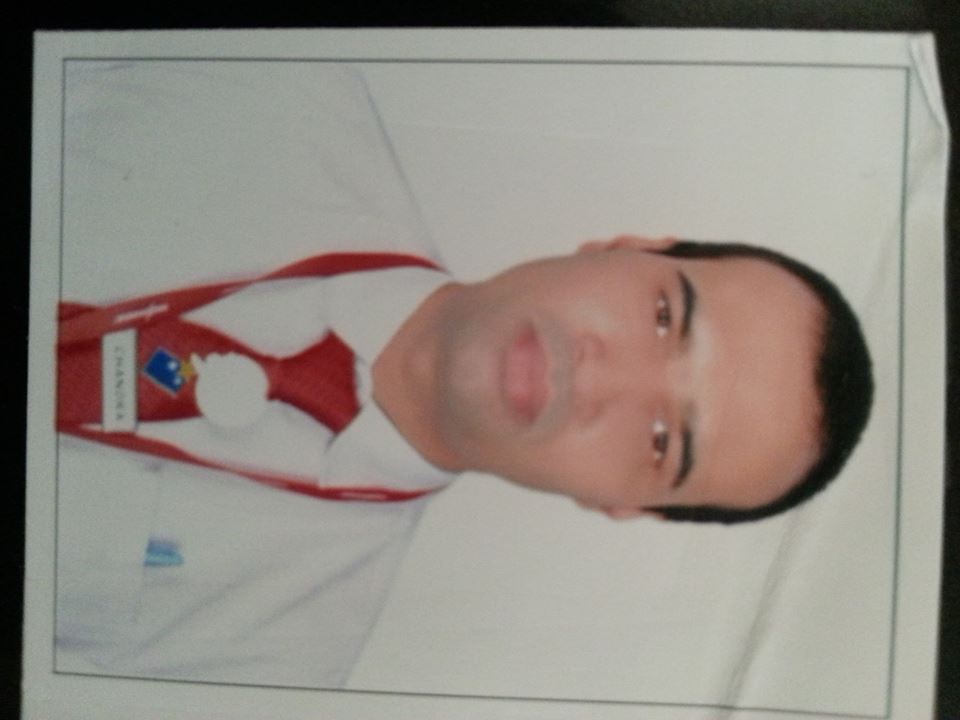
Whatever the underlying motive behind the shooting of UML FPTP candidate Mohammad Alam in Bara on Friday, it does raise troubling questions about the security of election candidates as well as the overall security situation of the country on and around November 19.
Alam’s shooting might have nothing to do with his being an election candidate (just as it might), but it’s hard to ignore the timing, only a day after the announcement of Alam’s candidacy from Bara constituency number four. [break]
Following the incident, other election candidates have started to demand additional security. With over 6,300 FPTP candidates in the fray (and many times that number under the PR component), it will be impossible to ensure foolproof security to each and every contestant. Yet the blatant attempt-at-life should be a wake-up call for everyone: nothing can be taken for granted in these highly volatile times.
In the wake of Friday’s incident, the government has directed local security bodies across the country to work in greater coordination with election candidates to ensure that the publicity period is largely safe and violence-free. The candidates who feel that they need additional security (and if the security organs recognize the risk) will be given extra protection. That is a good start.
But it is also only a small part of the overall security situation surrounding the November vote. Even as election preparations are in full swing, a sizable political force has expressed its determination to disrupt the election, any way it can. In the euphoria surrounding what now appears to be an unstoppable march towards November 19, it would be easy to drown out the voice of the dissenting forces. That would be flirting with disaster. Every effort should be made in the days ahead to bring the agitating political parties on board, improbable as the prospect might now appear. This is vital not just for election safety, but equally importantly, to give the Constituent Assembly election the legitimacy it warrants.
Even before Alam’s shooting, the government was already jittery about the fragile security situation. It first decided that the Nepal Army would be deployed to bolster security arrangements on election date. But the government was still not convinced. This is the reason up to 45,000 temporary police are to be recruited for poll safety. Nepal could do with a little help from across the border.
Yes, India has agreed to seal its border on election date. But it could do more. Alam’s assailants on Friday were astride a motorcycle with an Indian number plate and are believed to have disappeared into Indian territories after the shooting. If India really wants credible elections in Nepal (as it claims), it could do so much more to control cross-border crimes between now and November 19. For it’s not just a question of maintaining tight security on the D-Day.
There is the greater challenge of ensuring the safety of each and every poll candidate in the 45 days leading up to the election. Alam’s shooting in broad daylight must have instilled a little fear in other candidates. Another such incident could spread a wave of panic among them, with one political party blaming the other of trying to derail its campaign. It could soon turn ugly, setting a dangerous precedent for November 19. ‘Foolproof security’ is no easy task in this fragile situation. It remains to be seen whether the ‘election government’ is up to the challenge.
Related story
The Dark Side of the Leader