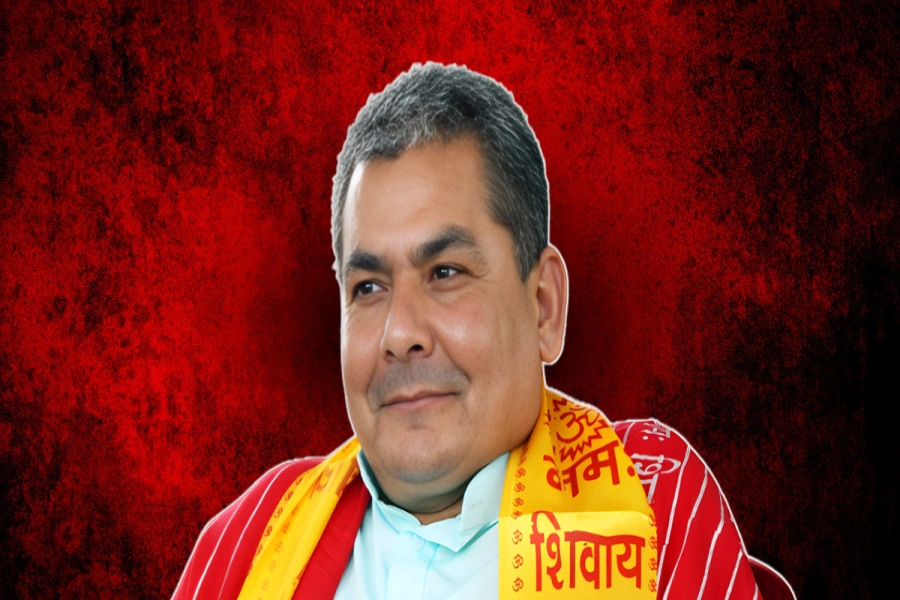
KATHMANDU, Nov 15: Former IGP Chandra Kuber Khapung was restricted to Kathmandu Valley immediately after retirement. Though he already knew about the restriction, it surprised many of his well-wishers. Khapung had announced his retirement after 30 years of service and even quoted Shakespeare in a reflective social-media post.
The commission probing the violence and destruction of September 8–9 Gen Z protests has also imposed similar restrictions on former PM KP Sharma Oli, Home Minister Ramesh Lekhak, former Home Secretary Gokarna Mani Duwadi, and former National Investigation Department chief Hutraj Thapa. However, none of them have been summoned for recording statements yet. The protests erupted four days after Khapung became IGP, and police firing on September 23 left 22 people dead.
Khapung had refused to provide a detailed deployment list, saying it would hurt future operations and insisting he was ready to face action himself. He argued that records were scattered, some personnel were out of contact, and some documents were destroyed in fires. The commission, however, accused him of non-cooperation and sought clarification.
All seven constitutional commissions remain ineffective

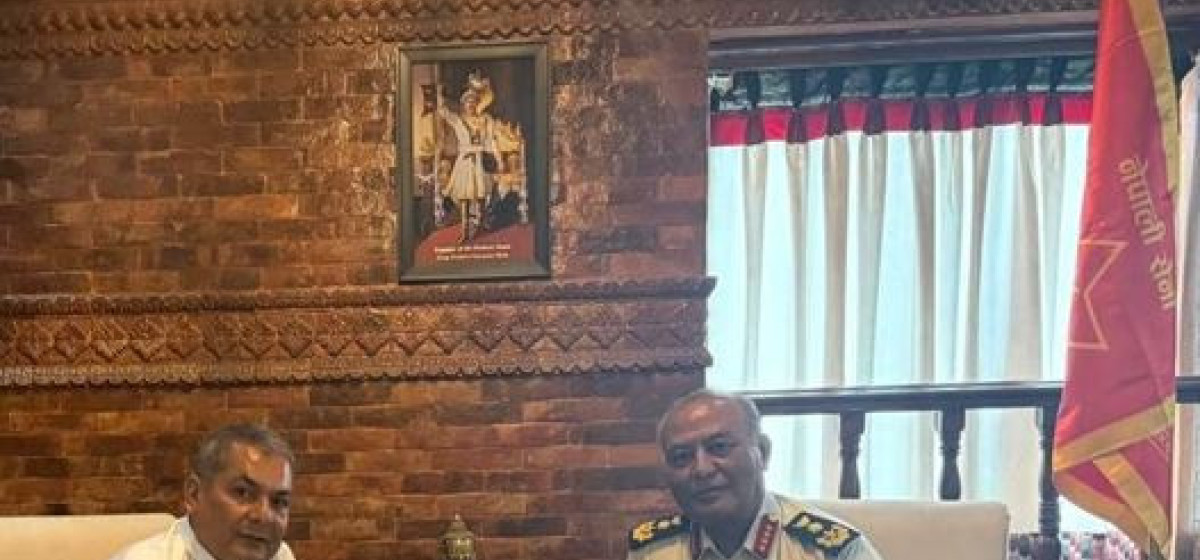
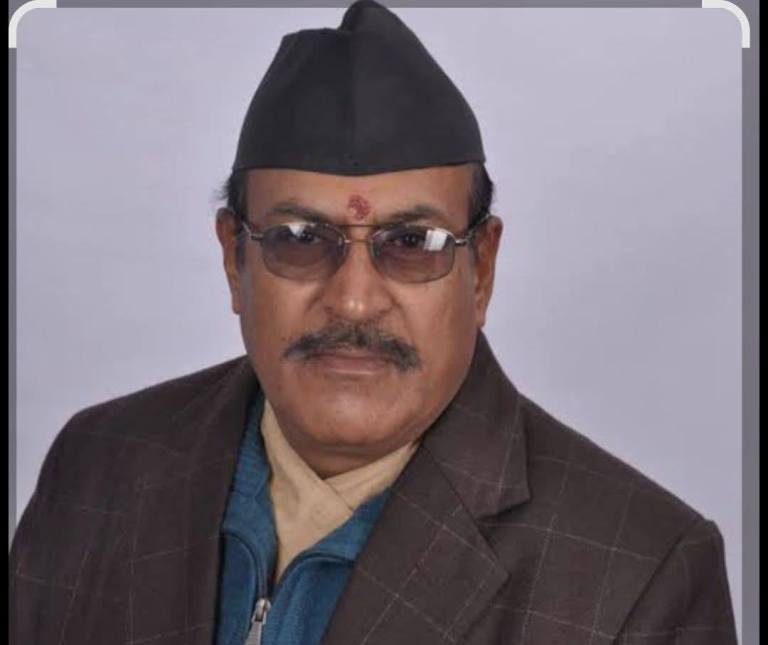
The commission includes former AIG Bigyan Raj Sharma, whose statements and press releases dominate its public communication. Critics say the commission has been more focused on publicity than on maintaining confidentiality or ensuring fairness.
Police officials argue that in the name of appeasing the Gen Z movement, the commission has made the police its primary target, hurting the morale of the entire force. They also question why former AIG Sharma, who once led police operations during protests, is part of decisions that now pressure the organization.
Questions have also been raised about the events of September 9, including arson, looting, jailbreak incidents, and inmate deaths. According to the Nepali Army’s report, 10 inmates and 41 civilians died, but no clarity exists on who is accountable. The Ministry of Home Affairs has declared only 45 people as martyrs, leaving uncertainty over the remaining deaths.
The Nepali Army was deployed on the night of September 9, but the commission has shown no urgency in seeking information from them, leading to concerns about selective investigation. Police warn that summoning only one institution while sparing others could even affect elections.
A writ petition has been filed at the Supreme Court against the travel restrictions, and the court has asked the government and the commission to justify their decision. Before retiring, Khapung questioned who would answer for the repeated attacks and injuries faced by police during protests. Many officers remain dissatisfied with the commission’s actions.




.jpg)