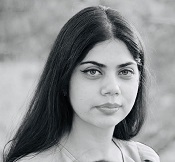
“My mother is 68 and father 78. They have four children none of whom live with them,” said Basudev. “What to do? All of us are just too busy.” [break]
He is leaving for Australia next month. “I had moved to Australia 6 years ago. Earlier, I used to feel proud of my decision and my achievements. But now I feel I am not really happy to live there. Despite that I am not quite sure if I will ultimately return to Nepal for good,” he added.
There is a possibility that Basudev will return to Nepal because his wife and son live here. According to Basudev´s wife Muna, her husband will definitely come back sooner or later. “He may or may not care about me or his parents, but he is very fond of our son. That attachment to our little son will compel him to return,” said Muna, who helps Dilshova Shrestha of Aamaghar to run the old age home.
The latest census shows 1.9 million people as absent population. Similarly, according to the census, the country´s elderly population has increased from 6.5 percent in 2001 to 9.1 percent in 2011. Of the total elderly people, 24.2 live in urban and the rest in the rural areas.

A majority of the elderly people, both in urban and rural areas, are living a pathetic life, according to sociologist Ganeshman Gurung.
“Weakening family bonds have made the life of elderly people in urban areas very painful. In the coming days, you will see many old age homes in Kathmandu and other urban areas,” Gurung said.
“It is least likely that the children settled in UK, USA, Australia, and Canada would come back to take care of their aging parents. Even if they have some feelings for their parents, the younger generation is too constrained by the course of their life. So, in near future you will see old age homes mushroom here and in the cities outside the Valley,” Gurung said.
According to Gurung, elderly people in rural parts of the country are facing even greater hardships. “Their children are working in countries like Malaysia, Qatar, Israel, Oman and Saudi Arabia. If they are married and have children, their wives generally come to the capital or other urban areas for the sake of providing better education to their children. This had led to the exodus of young people from villages. Under such situation, who will take care of the elderly people?” Gurung said.
“There is nobody who would take them to health posts when they are sick. Even when they die, there would be no one to carry their dead bodies. Foreign employment has given us remittance but it has drained our towns and villages of youth and robbed our aging populations of their happiness and rights,” he added.
A lot of elderly people are increasingly suffering from depression, notes Mita Rana, senior clinical psychologist at Teaching hospital. According to her, many of the elderly people who visit her these days are the ones whose children have settled abroad. “When they turn old and weak and gradually lose confidence in themselves, they feel very insecure. Separation with their children deeply affects them, especially, when they are not well.”
Senior Citizens Act 2006 ensures that the aging parents are provided proper support and care. The act reads: “it shall be the duty of each family member to maintain and care the senior citizen according to the economic status and prestige of the member.”
It further adds that “no one shall detach the senior citizen from the family or compel the senior citizen to get detached from the family against his or her will.”
There are many other laws that protects the rights and wellbeing of senior citizens, said Dilshova Shrestha, adding, “but that they are limited only to the paper.”
Shrestha, has been providing shelter and taking full care of disowned elderly people since one and a half decades. Currently, there are 47 elderly people at Aamaghar.
----
INTERVIEW
´No children should be allowed to inherit their parents´ property before their death´
 Dilshova Shrestha
 You have been taking care of elderly people since years. What are their basic needs?
They need love and care. They are their first and foremost needs. Then come the obvious: food, clothes and other comforts. If you don´t have time to listen to them and to understand them, no good food or any level of comfort can make them happy.
Many of the elderly people living here have children in good positions in Kathamndu. What do you feel about that?
Yes, there are a number of mothers here with me whose sons and daughters are in Kathmandu. Some of them are in a good economic condition. Such children do not realize that their parents are their roots. Can you ever prosper if you are cut off from your own roots? If we don´t respect the older generation, all the progress we achieve cannot be called progress in a true sense. But it is not just about the children; even the state is indifferent to the problems of elderly people. It is the duty of the government to ensure that the rights of aging people are protected.
What should the government do to secure their rights?
Just as students are given concessions in the traveling fare, the elderly people should also get discounts. The government provides Rs 500 per month as allowance for the elderly people. But many of them never get it because they cannot produce citizenship card. So the authority must simplify the process so that the elderly people get the amount. Another very important thing is their health care. Those who cannot afford health care costs should get free medical treatment and medicines.
You also want the government to introduce a law regarding property inheritance?
Yes, this is very important. No children should be allowed to inherit their parents´ property before their death, except if it is in abundance. There are hundreds of cases that show children simply forget about their parents after they get the property.
Aging is a universal truth. Everyone has to become old one day. People are becoming very selfish nowadays. This will do no good to the society. Young parents need to be role model for their children in order to instill love and compassion in the hearts of their younger ones. If you take care of your parents, your kids will take care of you. If you discard your parents, no doubt, you would face the same fate. Neither the individuals nor the society and the state should look down on old people and treat them as useless.
Related story
Advisory task force recommends keeping marriage age at 18