"Nepal is part of our growth strategy," SN Power´s Chief Executive Oistein Andresen told Prime Minister Pushpa Kamal Dahal and accompanying Nepali officials in a presentation at company headquarters in Oslo, Norway. "It would be very important to have power lines between India and Nepal," he said, according to Reuters.
The existing transmission lines between the two countries do not have the capacity to carry heavy power.
Nadia Sood, SN Power´s Executive Vice President for South Asia, said: "Until those (power lines) go up, there will be less incentive for developers of large hydropower projects."
The company got a survey license this month for Tamakoshi 2/3, so it can proceed with more studies for the $1.5 billion investment. If all goes well, it would aim to put financing in place in 2011 and start building in 2011 or 2012, Sood said.
More permits, including a generation license and export license, will be needed, and the company also wants reassurance that the regulatory framework works and so does the Nepali bureaucracy which is notorious for delays and red tape.
"Without an export license and without the transmission lines, (international financiers) will be reluctant," Sood said, according to the news agency.
Preliminary plans have been drawn up for about 2,000 MW of new capacity in several projects, including the government´s 456 MW Upper Tamakoshi project and the 600 MW Tamakoshi 2/3, which is under feasibility studies by Norwegian firm SN Power, Reuters said.
SN Power, which invests in hydropower plants in Asia and Latin America, is the main partner in the 60 MW Khimiti plant, east of Kathmandu. It and its parent company Statkraft have been developing hydropower in Nepal since 1993.
Nepal eyeing Indian market
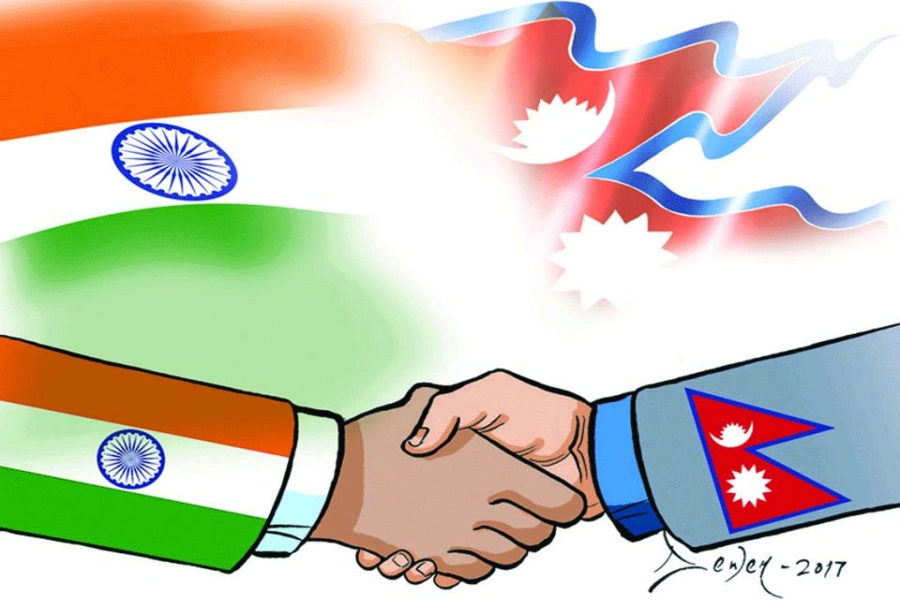
Hydropower-starved Nepal is eyeing to export electricity to vast Indian market by boosting its hydropower generation capacity more than 15-fold in 10 years, Prime Minister Dahal said Tuesday.
"We are trying to go ahead with this huge target," Prime Minister Dahal told reporters on the dam of the Solbergfoss hydroelectric plant on the River Glomma in Norway, according to Reuters.
"We have huge hydropower potential, and India is a huge market," the PM told Reuters on a two-day Norway visit. "We are in discussions and are trying to develop a unified understanding with India."
"If they (India) commit to buying power from us, we could be like Norway," Manoj Bahadur Shrestha, chairman of Himalayan Bank, told Reuters, referring to Norway´s power exporter role.
Mountainous Norway, with many waterfalls and rivers, is the world´s fifth biggest hydropower producer.
Hydroelectricity helped transform Norway from one of Europe´s poorest countries at the end of the 19th century into one of the richest.
Nepal, with more than tens of thousands of hydropower generating potential, produces around 700 MW. Mostly dependent on run-of-the-river projects that depend on monsoons, the country manages a meager 230 MW in dry season resulting in severe power cuts. In the last budget, the Maoist-led government announced an ambitious aim of building 10,000 megawatts of hydropower plants by 2020, a target many experts say is unrealistic and "populist".
Related story
JSS volleyball competition concludes in Norway