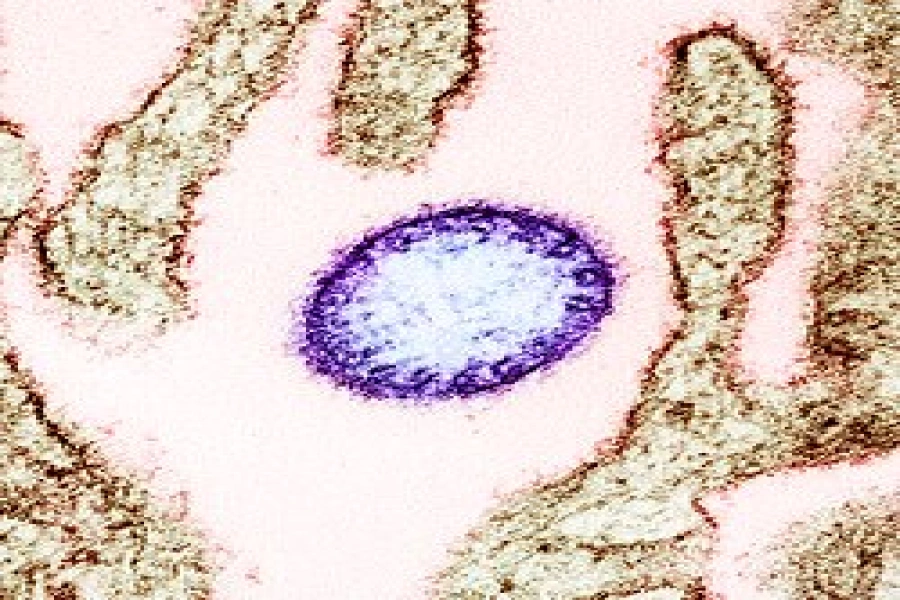
Officials, however, cautioned that the risk of an outbreak after the change of season persists as the carrier of the virus exists in the country.
Aedes aegypti mosquito, the same vector that transmits dengue and chikungunya, spread the Zika virus. The main vector, aedes aegypti, has been found even in the Kathmandu Valley in significant numbers in the surveillances carried out by various government health agencies like EDCD and District Public Health Office (DPHO), Kathmandu in the past.
"There is a high chance of the virus entering Nepal's Tarai via India," Dr Baburam Marasini, director at the EDCD, said, adding that precaution is needed to prevent the possible epidemic of the virus in the country.
According to Dr Marasini, only the infected aedes aegypti mosquitos transmit the disease. "When an aedes aegypti mosquito bites the infected people it turns into a carrier of the disease," he added. He said that the EDCD would alert all concerned health agencies about the risks.
The World Health Organization (WHO) said that illness cause by the virus is similar to mild form of dengue fever and cannot be prevented by drugs. Health agencies investigating the impact of the virus have linked it to microcephaly, which means birth defects. Pregnant mothers infected with the virus give birth to babies with smaller than normal heads and brains. In severe cases, babies with microcephaly may have seizures, vision problems and developmental disabilities.
Other symptoms include fever, rashes, conjunctivitis, muscle and joint pain, headache and others.
Hundreds of people were infected by the virus in Brazil in 2015. According to the WHO, infections have been reported from 21 countries of South and North America, including Brazil.
Related story
EDCD points out Nepal’s risk of Zika virus and Chikungunya once...