However, the economy could grow by 5.8 percent in the next fiscal year, according to the World Bank's January 2016 Global Economic Prospects published on Thursday.
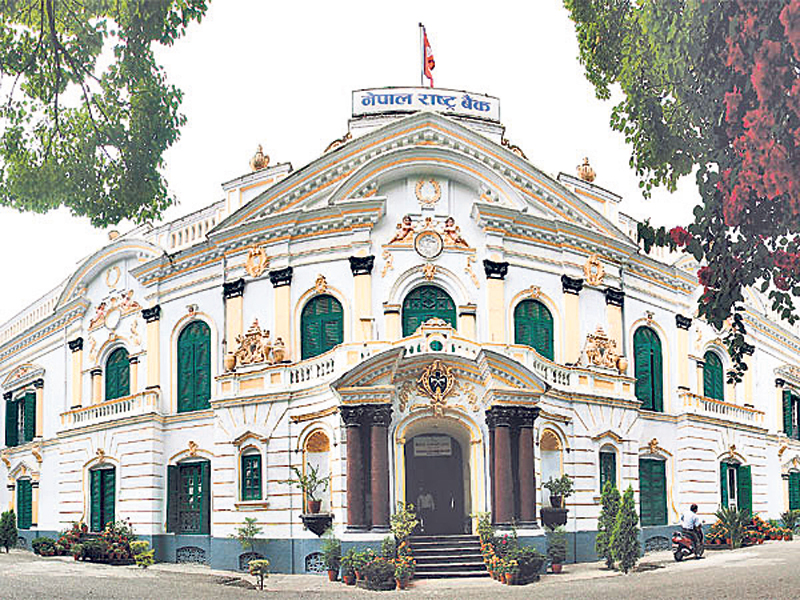
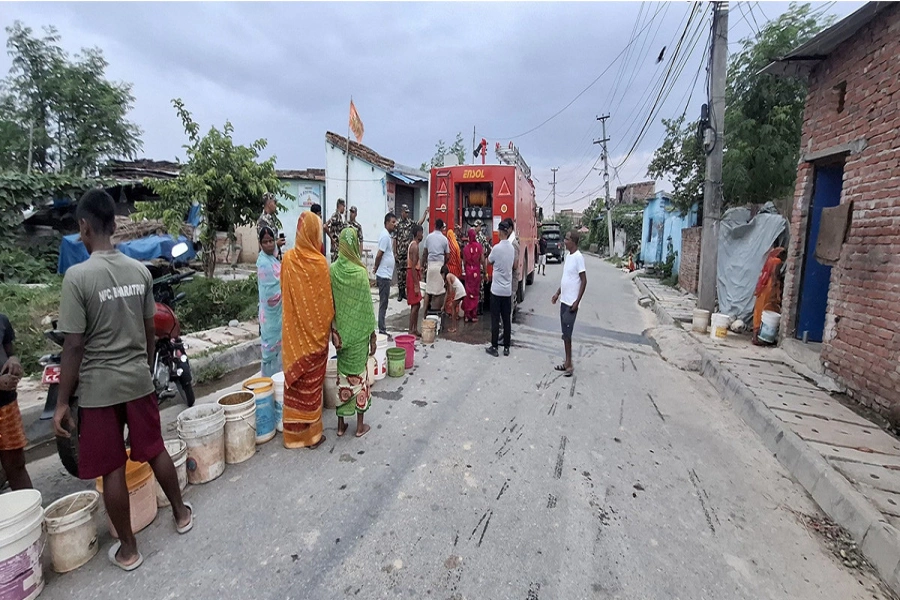
In Nepal, the cost of earthquakes in the spring of 2015 is estimated at about one-third of the nation's Gross Domestic Product (GDP), the World Bank said, adding that reconstruction efforts have been held back by political uncertainty and the closure of land routes through India in the second half of 2015.
However, the bank has hailed South Asia's economic growth. "South Asia was the fastest growing economy in 2015 among developing regions and is expected to expand even faster in 2016, thanks to strengthening investment as well as government and central bank policies that support economic growth," the World Bank said.
Seeing mainly domestic risks to its forecasts, the report also forecast economic growth in South Asia accelerating to 7.3 percent in 2016 from 7 percent in 2015. The region's economic prospects are bolstered by its relative lack of trade exposure to slowing demand in China, and by standing to benefit from lower global energy prices due to being a net importer of oil.
"South Asia is a relative bright spot compared to the general outlook for emerging and developing economies," said World Bank Chief Economist Kaushik Basu. "This good news is made possible by a confluence of factors, from low oil prices to a positive policy environment. But it is also a great responsibility given the growing importance of this region in driving global development and ending poverty."
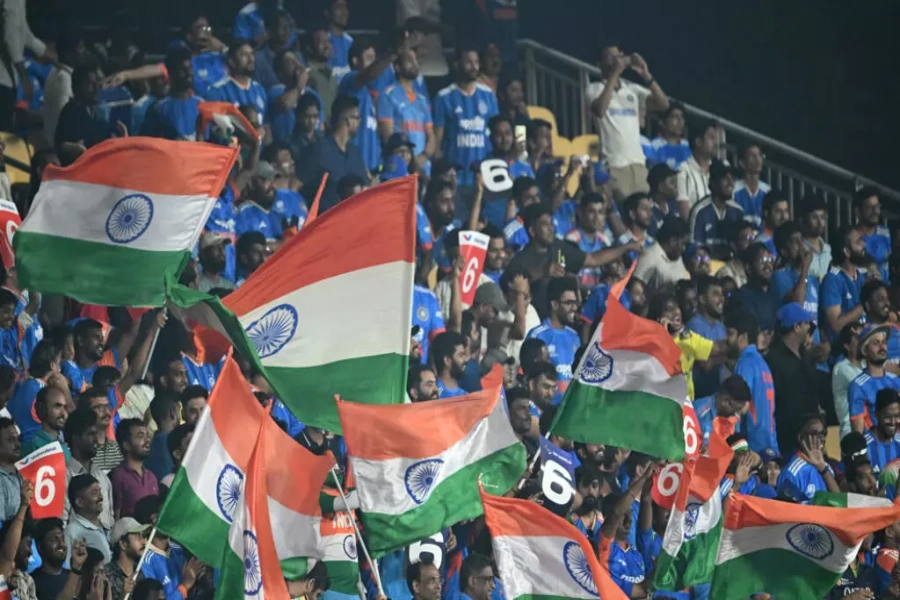
India, as South Asia's biggest economy, is projected to grow at a faster 7.8 percent in 2016-17, which begins on April 1, after 7.3 percent the year before and would be helped in part by progress on infrastructure building and government measures aimed at boosting investment, it added.
"South Asia's economic growth should be seen as an opportunity to take the region to the next level in ending extreme poverty and increasing shared prosperity," said Annette Dixon, Regional Vice President for South Asia at the World Bank. "For South Asia to move to the next level it would need to sustain economic growth levels of more than 7 percent a year while making sure that growth is sufficiently inclusive to address the unresolved issues of inequality and prosperity that is not widely enough shared."
The report saw external risks to the outlook as less pressing than domestic risks. Economic activity in the region could be hurt if there is a disorderly slowdown in major emerging market economies or if tighter global financial conditions produce financial market stress. Any further downturn of oil prices or growth slowdown that shrinks remittances from workers in the Gulf Cooperation Council countries could dent consumption in the region.
Related story
Desperate search for missing girls as nearly 80 dead in Texas f...