In the 1950s, the situation of Korea was very pathetic due to poverty. The United State's General McArther helped recover the country from the communists.
Unless a miracle happened, it seemed as if it would take the country 100 years to prosper. Even till the 1960s the per capita income of Korea was USD 82, which is much lower than the current per capita income of Nepal. And after the Korean war, dependency on foreign aid increased drastically. So, you can imagine how we emerged through such harsh times.
What do you think is the cause of such rapid development of Korea?
Well, people say that the miracle of Han River is the cause behind the development of Korea. However, I strongly believe that it was a combination of very well constructed strategies. Korea, although lacking a lot of natural resources, focused on trade-based growth strategy and inclusive growth. In the early 1960s, a rise in the field of labor was witnessed. Many people started pushing themselves to pursue high level of education. Their strong will along with the educated manpower helped move the country forward.
The Saemaul movement of Korea is taken as an exemplary movement and it is even adopted by many. How do you think that Nepal can learn from this movement?
I believe that Saemaul movement is all about developing diligence, self-reliance and cooperation in one's own community. It's a human resource centered approach where it's all about coming together to transform one's community. Communities in Nepal can learn various aspects of self-reliance and cooperation from this simple, yet effective, movement which can further be replicated to promote future development.
What do you think is the main secret behind the success story of Korea?
Well, I believe that the role of the government is a key factor in transforming Korea. The government was the main driver of growth leading the overall economic system. The clear and strong vision of the government with the support of the people followed by strong monitoring and implementation helped pave the path for development.
What are your thoughts on Korea's donor program in Nepal?
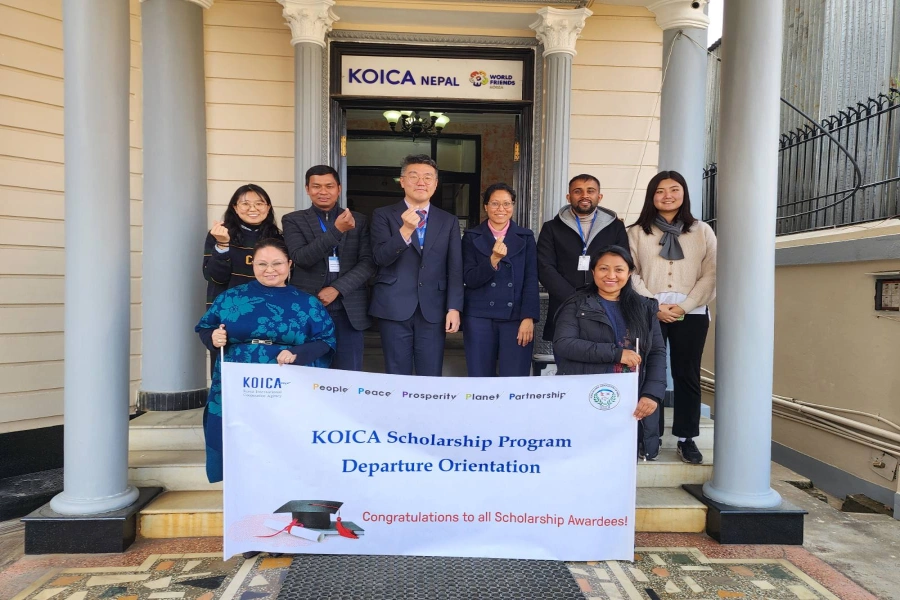
Korea International Cooperation Agency is Korea's governmental grant agency. We have 49 overseas offices in 46 countries. We conduct various trainings and have diverse projects in different districts. Furthermore, we also dispatch volunteers who work at the grassroots level. I believe that since we emerged through difficult times we are a differentiated donor. We share similar experience with Nepal and our experiences have taught us to be more sympathetic toward our partner countries. We possess an Asian value and are neutral, which is an added advantage to Nepal definitely.
How does KOICA plan to support Nepal considering the current situation after the earthquake?
Korean government has made a commitment of USD 10 million at the donors' conference to the government of Nepal. Furthermore, we have decided to focus on the health sector reconstruction. So, we will be focusing on reconstruction at Nuwakot.
Related story
KOICA Nepal organizes ‘KOICA Nepal Office Photo Exhibition and...