The Week talked to Dr Bandana Pandey, Physician and ER in-charge at Norvic International Hospital. From cardiac patients, injured parties to simple abdomen pains, Dr. Pandey deals with hundreds of emergency cases on a daily basis. However, she believes that, apart from medical experts, the public at large too, should have basic knowledge of ways to react in cases of medical emergencies.
Heart attacks
To begin with, we have to recognize the symptoms of a heart attack. Everybody can guess that a patient may experience chest pains, however, we have had instances where a patient has mistook the spot pain for something else in the initial stages. Contrary to popular belief, the heart is not completely on the left. It is located in the center of the chest slightly towards the left so during heart attacks the pains will generate from there and will then radiate to the left arm, left hand, left jaw, shoulders, and up the back. There will also be sweating. The chest will feel heavy as if you have got a big weight on top of you.
The best immediate action in this case would be to take an aspirin because, simply put, heart attacks occur when some of the arteries supplying blood to the heart are blocked. Chewing an aspirin can help clear these blockages. Then you have to get to the hospital as soon as possible. Do not wait for the ambulance. Take a private car or a taxi. Time is of the essence here.
Seizure
If you see anybody seizing, always turn him/her over to a left lateral position. Chances are they will have a seizure while lying on their backs and this can cause aspiration. Aspiration is the medical term for inhaling small particles of food or drops of liquid into the lungs. This can lead to the patient ending up in a ventilator or suffering from pneumonia. So to prevent the risk of aspiration, turn the patient to left lateral position and hold that position until they stop seizing. This is the only thing you can do.
We have heard cases where family members have tired putting a spoon in their mouth or giving them a shoe/sock to sniff. This is unnecessary and won't help. Even if they are foaming at the mouth or even if they are bleeding a little, the best thing to do is wipe it off and keep holding them in the left lateral position.
Allergy
The first thing every allergic patient needs to do is remember to keep some anti allergy tablets with him/her all the time. In fact, their families or close friends can maintain a stock at their homes too. In cases of allergies, prevention is always the best solution. Be hyper alert about what triggers your allergies and stay away from them. Having said that though, sometimes there can be mishaps. Sometimes we just don't know what might cause an allergic reaction. The best thing to do would be to take the anti allergy tablets at the first sign itself. A variety of them are easily available at pharmacies. The moment you start itching, swelling, or you throat starts constricting, take the medicine. There is no point in waiting.
In some severe cases, even the anti allergy tablets might not bring relief and that's when you have to go to the hospital. Do not delay.
Burns
Burns are very common especially among those who work in the kitchen, but for some reason many don't seem to know what's the right thing to do after you have suffered from burns. We see many people applying various different methods to ease the pain. From toothpaste, tomatoes to just recently, we actually had a lady who had applied mehendi to her abdominal area where she had been scalded by boiling water. We don't recommend any of these tricks.
If you have been burnt, simply put that area under running water for 5-10 minutes. That's all you have to do. You don't even need ice water, as tap water will suffice. This will not only reduce pain, it might even help prevent blisters. Then considering the degree of your burn, decide whether you need medical attention for not.
(Running water works for dog bites as well. Don't squeeze or play with the wound in anyway. Just clean it under running water and then go to a
hospital.)
Nosebleed
Some people choose to "look up in the sky" whenever they get nosebleeds but we would never suggest that. As the blood goes in, it's likely that the patient will feel more nauseated. If there is a lot of blood, the patient might even end up vomiting/choking and that will just make the situation worse.
Often nosebleeds are a result of some kind of rupture in the blood vessels in your nose. It's incredibly common among children as well since they may have the habit of picking their nose. The best thing to do is pinch your nose. Place your two fingers at the opening of your nostrils and pinch them while applying constant pressure. If the bleeding is a little intense then you can also use a towel. This should fix common nosebleeds.
Accidents
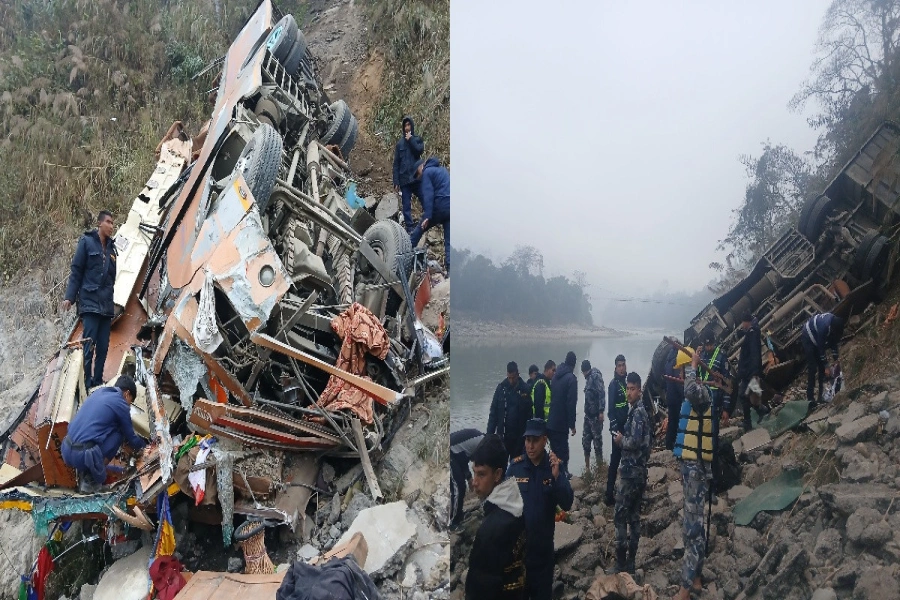
Whether it's a road mishap or whether somebody has fallen from significant height, the first thing to do is to immobilize the patient. Don't let them move. This will prevent further injuries from occurring and might even help with the pain.
You can also use your hands to hold the patient's neck and head in a steady position, especially since the other priority is to give support. If required materials are not available, one can improvise with cardboard boxes or bamboos. Though, again, let's remember it's important to keep the patient immobilized. So never just lift them up, rather slid the piece of cardboard, for example, under the body or the fractured limbs. Even if the limbs are badly distorted, try and keep them in the same position. The part where the volunteers try and transport the patient is always tricky. Be extra careful since rough handling can do a lot of harm.
If the patient is bleeding one can use a piece of cloth to cover the wound and then apply pressure. Applying pressure should help stop the bleeding, though it would be best to remove the piece of cloth after 15-20 minutes.
If there are shards of glass or any other object inserted in the patient's body after the accident don't ever remove them at the scene. It might be some people's first instinct, however there is a very high chance that this will cause active bleeding and worsen the situation, so it is best to let the doctors handle it.
Further, pelvic fractures are very common after accidents. Sometimes they are the main cause of the patient's death since pelvis fractures cause severe internal bleeding. Its symptoms include swelling of the stomach or the patient losing color from their skin all together and turning paper white. So just to be on the safe side, after accidents it would be wise to tie a shawl around the patient's pelvic area. Again, try no
Related story
Nobel-worthy