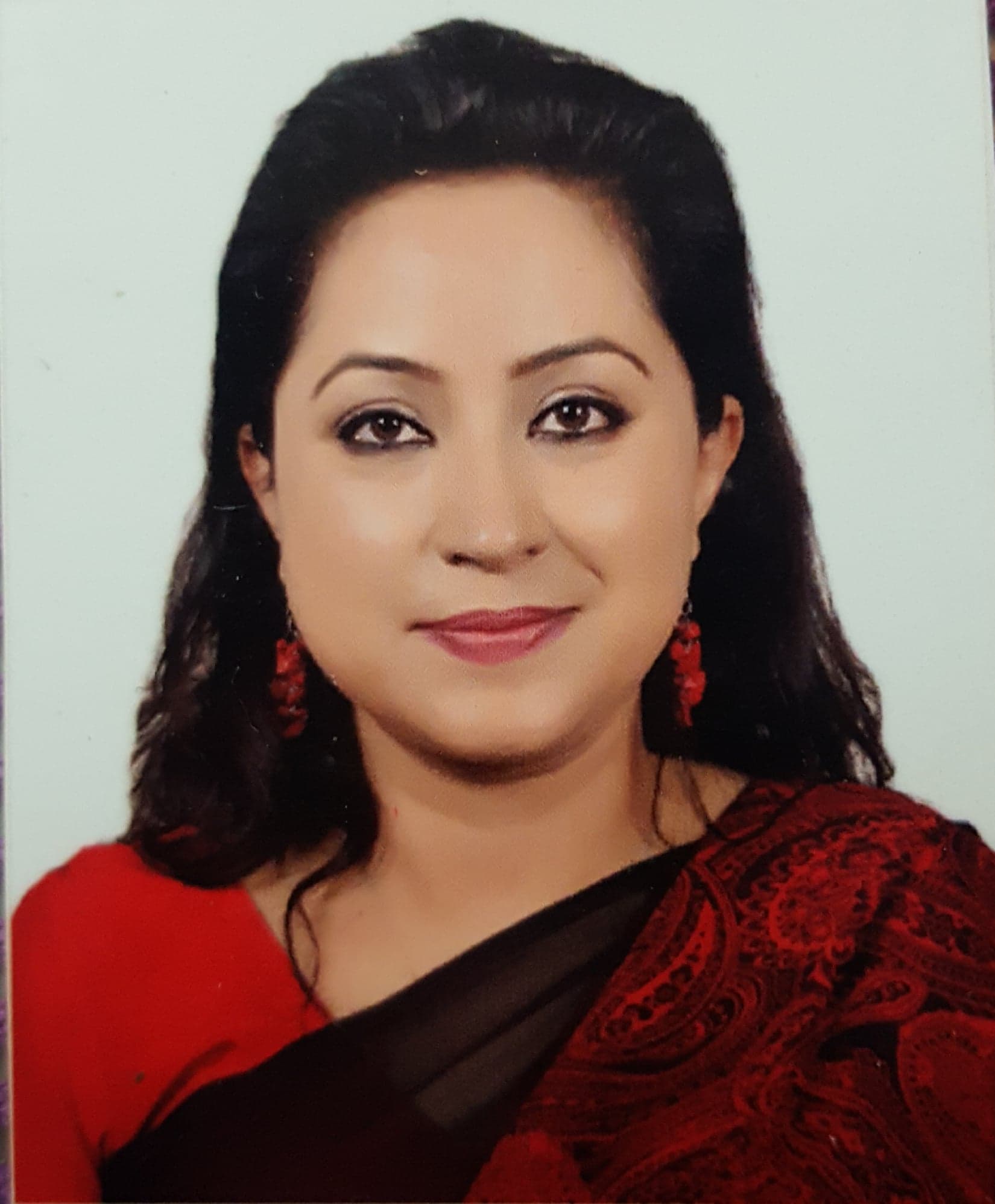
Shakya said with a sad tone that he was forced to submit his original ‘no objection letter’ to Immigration Department at Tribhuvan International Airport when he left Nepal. [break] So, now, when his parents have to send money to him they don’t have the ‘no objection letter’ which is creating problems for him.
‘No objection letter’ plays a vital role for foreign exchange. The letter is provided by Ministry of Education which grants permission to have foreign exchange facilities. It provides two copies of letter to the genuine person who is going abroad for further studies.
One copy of the letter is given to the bank from where the person gets the foreign exchange facility and the other one is kept by the student or the parents. In case the remaining ‘no objection letter’ copy is given to the Immigration Department a problem arises while sending foreign currency abroad.

According to Prajwal Pant, head of transaction and retail services at Kumari Bank, “To solve the problem either Immigration Department should discontinue asking for the original ‘no objection letter’ or they should ask for the photo copy only.” He further said that without the ‘no objection letter’ the bank cannot exchange any foreign currencies.
In addition, he claimed that in order to exchange Nepali currency, students going abroad have to submit the letter, which identifies them as a genuine student going abroad for further studies. However, students also need to show the offer letter, I-20, original passport and confirmed ticket. In case the parents need to send money later, the original ‘no objection letter’ must be provided.
Students who opt to study abroad must pay their tuition fees before they join a college. Hence, the college fee is paid by the bank on behalf of the student upon receiving enough funds, the letter provided by the Ministry of Education, and a passport photocopy. The bank then pays the sum to the education institution through telex, draft or swift transfer.
However, the tuition fee is not the only expense that has to be taken care of. Personal living expenses and traveling expenses also needs to be covered. For this, a student has to submit a photocopy of the offer letter including the living cost, original passport and the confirmed ticket. The bank accordingly releases the money.
For traveling expenses, one can just submit the photocopy of the passport and the ticket. The bank will in return provide maximum of 2,000 US dollars. Although the students might need more than the amount allotted by the bank, according to provision, the bank cannot exchange and provide more than 2,000 US dollars, concluded Pant.
Related story
Municipalities without facilities