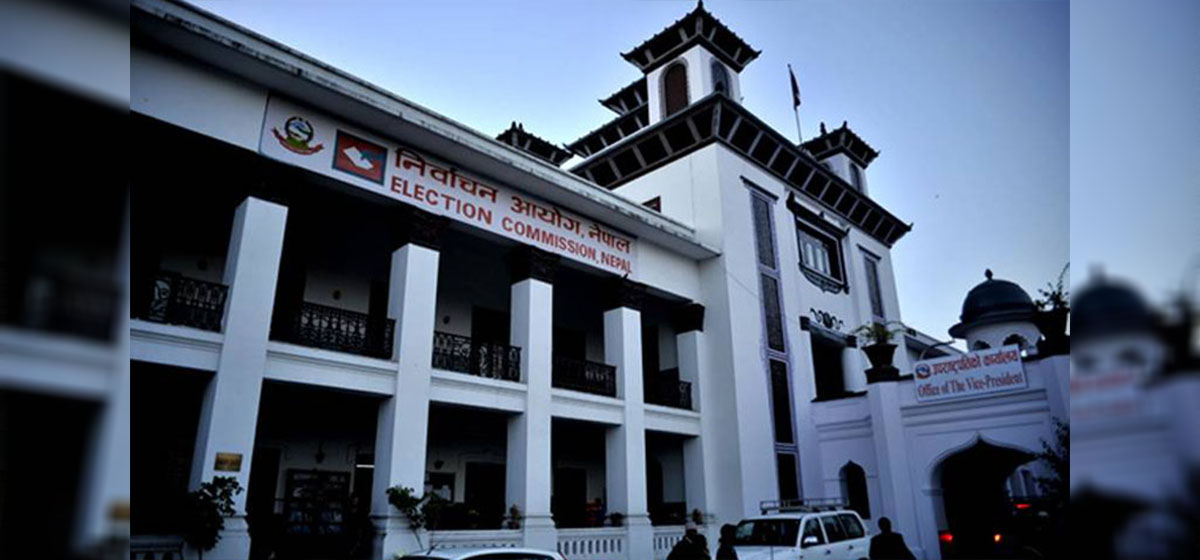
The constitutional body took the landmark decision last week in a bid to check voter rigging that takes place under the existing electoral roll. The present electoral roll has only voters´ names and addresses, and this has encouraged bogus voting in past elections.
The decision will come into effect when the EC launches its annual update of the electoral roll in February/March next year.
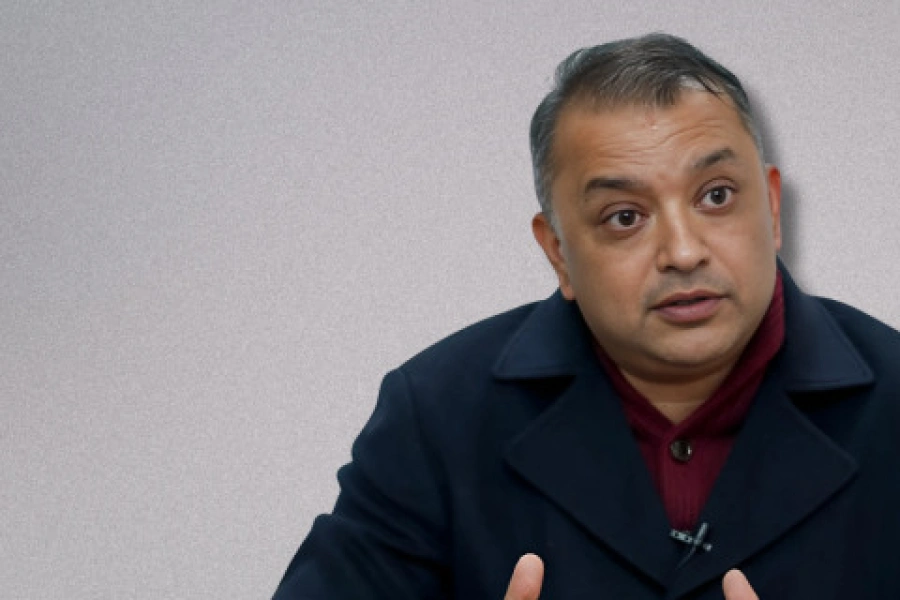
“The main objective of this big project is to minimize the risk of unfair voting in future elections´´ said Acting Chief Election Commissioner Neel Kantha Uprety. “The proposed new electoral roll will help control the faking of names, addresses and documents in upcoming elections.´´
Nepal is the third country in South Asia to be introducing an electoral roll with voters´ pictures, fingerprints and digital signatures. India and Bangladesh have already introduced such electoral rolls.
Past elections have seen voters casting their ballots at more than one polling station. Thanks to a conventional voter list that has failed to check rigging, the EC receives a huge number of complaints about bogus voting with the use of forged documents.
The EC is going to launch a pilot project in November/December before implementing its decision next February/March, said Uprety, talking to myrepublica.com Saturday.
Under this project, photographic and electronic fingerprint machines will be used while collecting and updating the electoral roll electronically.
“An electronically processed electoral roll will be more reliable, authentic and acceptable in quality so that every citizen will willingly posses and keep it for multiple uses, including voting´´ said Uprety.
Under the project, particulars about voters will be stored digitally by around 10,000 government employees. More than 3,000 laptops will be used to update the list of 18 million voters.
It is estimated that the project will cost Rs 1.8 billion, which works out to Rs 100 for each voter.
The EC hopes that the data on voters collected in this way can be helpful for distributing national identity cards, something that the government has promised to do in the next fiscal year under the policies and programs it announced on Wednesday.
“Personal details collected by the EC will be authentic and every government agency can use it for its own purposes,” Uprety said while urging one and all to support the ambitious plan.
Related story
Electoral roll update from August 28