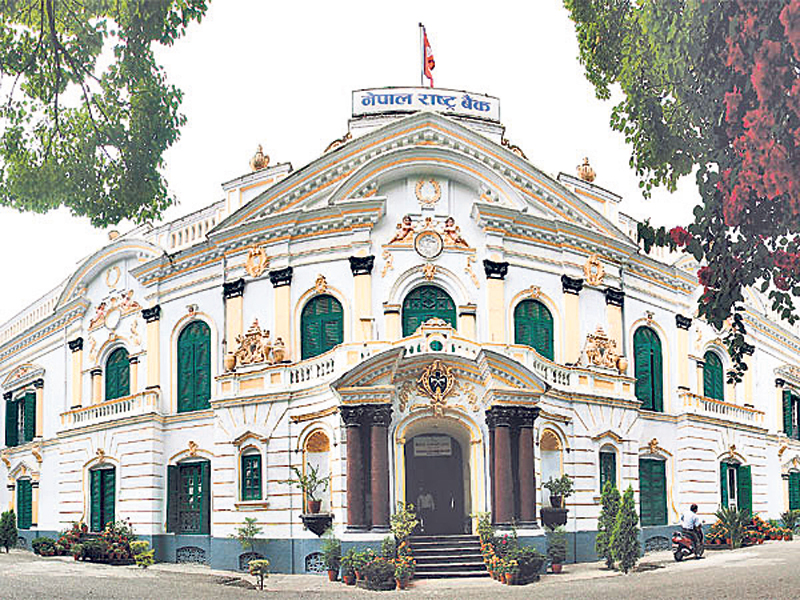
Issuing a set of guidelines on Friday, NRB has asked the BFIs to limit the fixed annual salary and allowances for chief executives to less than 5 percent of the average staff expenses incurred over the previous three fiscal years or less than 0.025 percent of the company´s total assets at the end of the previous fiscal year, whichever is lower.[break]
Of the two different parameters for setting the cap, sources said the parameter of ´total staff expenses´ will mainly tighten perks and allowances for the CEOs of older banks, while the parameter of ´total assets´ will hurt CEOs at the newer banks.
Bankers have flayed the central bank´s move.
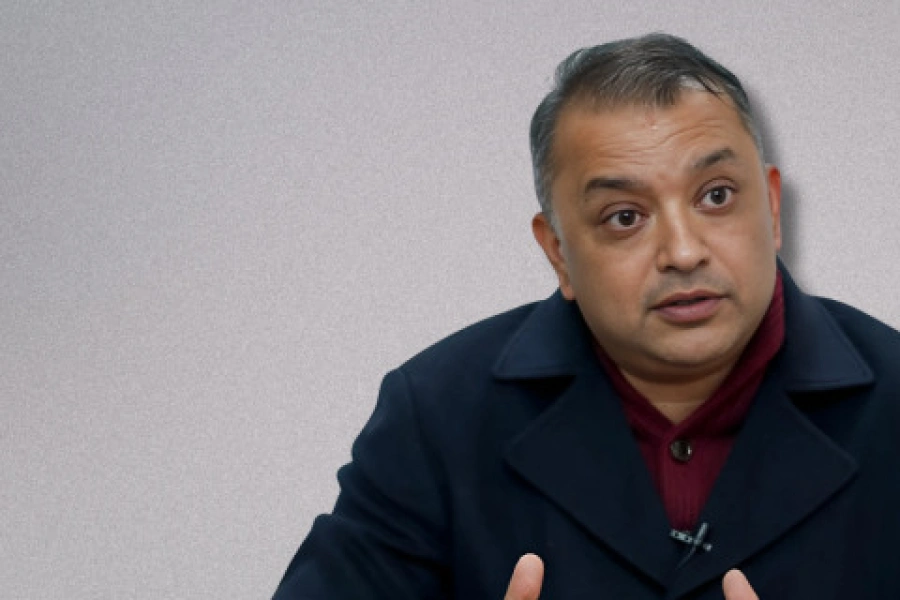
"It was unexpected, particularly after the recent hike in income tax for high-earning groups," said Sashin Joshi, president of Nepal Bankers Association. He was referring to the decision in the Financial Ordinance to impose 35 percent tax on people earning more than Rs 2.5 million a year.
Bankers had assumed that the tax hike was the government´s way of diffusing tensions between bankers and NRB over CEO perks and salary.
Currently, the salary of a CEO at a commercial bank ranges from Rs 500,000 to Rs 1.4 million a month. "With the imposition of tax, the government had already lowered our annual income by at least one million. Enforcement of a cap on top of that has landed us a double blow," said another banker, preferring not to be named.
The central bank, meanwhile, has asked BFIs to enforce the cap strictly.
The new guidelines have been brought in mainly because lawmakers as well as experts stress the need to check the current practice of paying huge amounts in perks and benefits to the head honchos, even if the financial condition of the BFI concerned is not very sound.
The guidelines allow BFIs to provide performance-based incentives to CEOs, but require them to limit the volume. It also bars BFIs from paying the incentives at one go.
- Cap CEO salaries and allowances to below 5% percent of employees´ pay bill or 0.025% of total assets, whichever is less.
- Vehicle to CEO must not exceed 50% of annual salary and allowances
- Pay performance-based incentives in three years
- Incentive returnable as bank income in case of loss-making
- Cap not applicable to banks in trouble, branches of foreign banks, banks having govt stake
- Cap was unexpected, particularly after tax hike: NBA prez
"In case the incentive exceeds 40 percent of annual salary and allowances, BFIs should pay just 40 percent of the total amount within that fiscal year and distribute the rest in equal proportions (of 20 percent) over the next three fiscal years," read the guidelines.
If the BFI plunges into loss during that period, it is to reverse all the deferred incentives and account them as income.
Likewise, NRB has asked banks and financial institutions to cover the bill of just one telephone or cell phone. It has also set a cap on the cost of vehicles that BFIs provide to their chief executives.
"Vehicles to be provided to chief executives must not cost more than 50 percent of their annual salary and allowances," read the guidelines. It bars BFIs from providing another vehicle to a CEO throughout his term, even in case of renewal of his or her term.
BFIs are allowed to cover the fuel bill and salary of one driver for each CEO. They can cover the bills of the CEO´s professional memberships, internet use, newspapers and magazines, but the extent of such coverage must not exceed 0.50 percent of annual salary and allowances.
Exemption
The cap will not be applicable to banks and financial institutions that are in trouble.
Likewise, banks and financial institutions are exempted if they are undergoing restructuring with donor assistance or if they are institutions in which the government has a full or partial stake (such as Rastriya Banijya Bank, Nepal Bank Limited and Agricultural Development Bank).
The cap will not effect the branches of foreign banks (like Standard Chartered Bank Nepal) either.
Related story
Revised interest rate corridor system introduced