The stagnation in manufacturing is beginning to have serious implications for our current account. Our list of exportable commodities is shrinking and our imports are rising fast, leaving a bloated trade deficit. This year alone, the ratio of trade deficit to gross domestic product (GDP) doubled to 23.6 percent. As this is clearly an unsustainable trend, the country must take measures immediately to reverse the trade deficit. There are three clear bottlenecks to spurring the manufacturing sector—political instability, chronic power shortage and strikes and obstructions by trade unions. Unless we address these bottlenecks, we cannot keep the economy afloat in the long run just by relying on remittance transfers from abroad. Too much reliance on remittance creates a distortion of its own and we are already beginning to see its symptoms.
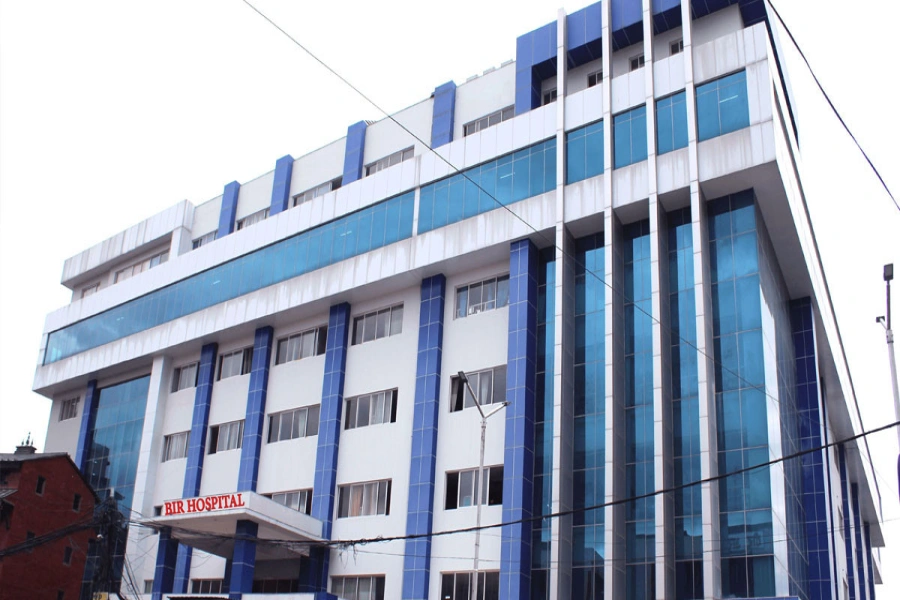
As with the real sector, the economic survey does not provide much reason for hope in the social sector either. The number of health institutions did not grow at all during the entire fiscal year but stayed put at 4,393. The only achievement in the sector was the upgrading of 500 sub-health posts to health posts. And 100 hospital beds were added during the entire fiscal year. If we fail to expand our health institutions and services, there is a real possibility that we will lose the momentum in arresting the child and maternal mortality rates. There is, however, some good news in the educational sector: 170,000 more children were enrolled in primary schools, raising the enrolment rate to 95.5 percent from 94 percent. But a lack of trained teachers in schools in the rural areas and regular strikes across the sector raise serious questions about the quality of education in our public schools. The declining pass rate of public schools, as seen in this year’s SLC exam results, raises enough of worries.
Related story
Live the good life