


Friday, 26 April 2024 07:14 AM

OR
Login using
Vote counting in hills excites tarai folks
Published On: May 19, 2017 12:40 AM NPT By: Ritesh Tripathi
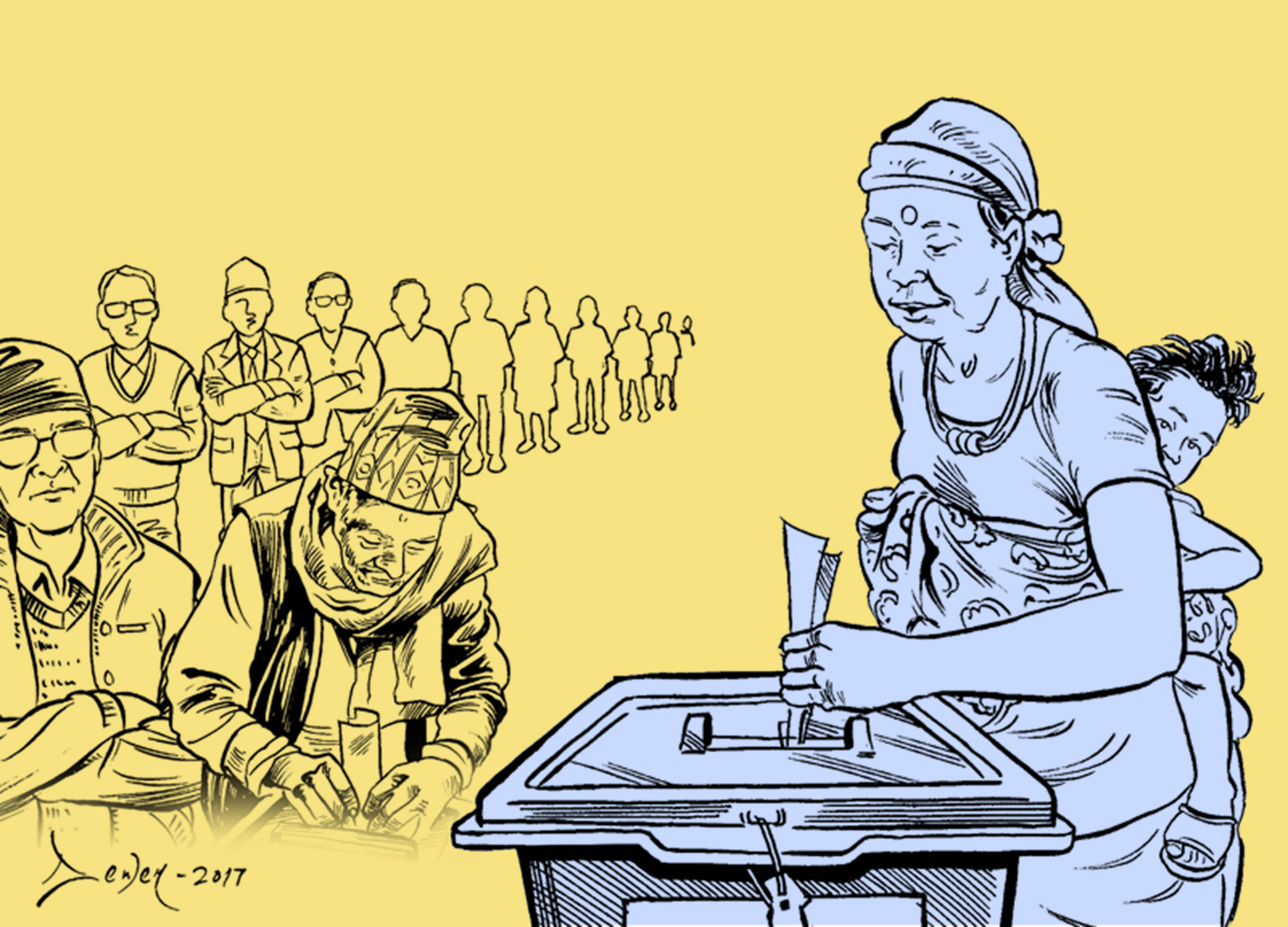
BIRGUNJ, May 19: Though the people of tarai-Madhes could not take part in the first round of local elections, they are concerned for as well as excited about the poll updates from the hilly districts.
It seems, the Madhesi people are counting the days to take part in the second round of local elections slated for June 14. Discussions on who won and who lost with what vote margin are common at almost every tea stall, crossroads and shop. Like many people of hilly districts, locals of tarai are equally disappointed with the sluggish counting of votes.
“Election has been a topic of interest for everyone here. People affiliated with various political parties are celebrating the victory of their parties which has brought about a festive mood,” said Gyani Mahato of Sripur, Birgunj. According to him, the peaceful and systematic elections in other provinces have raised a hope in the locals of Tarai as well. “Prospective candidates have started making door-to-door visits and the villagers are also involved in their campaigns,” Gyani added. Jyoti Bikram Sah who was found discussing about the election with Gyani told Republica that he is eager to take part in the elections.
“Everyone is tuned to radio and television to find out the results of the polls. Which parties are leading the election results has been a major issue of interest,” Said Bikram.
Prem Mahato, a senior citizen of the locality, says, “Though politics never grabbed my attention, I can't deny the fact that the poll updates have excited me as well.”
These days the 'Paan Pasal ' of Jiut Bhagat Mali that is located in front of Bidhyapith School is crowded with locals almost every day. “From seven am to eleven pm, my shop is occupied with people who discuss the same and common topic which is 'elections',” said Mali. He further added that those people who were never interested in watching news are now found listening to radio and watching television for election updates.
According to locals, the uncertainty and doubt over the local elections has finally faded away after the success of the first phase of local elections.
You May Like This
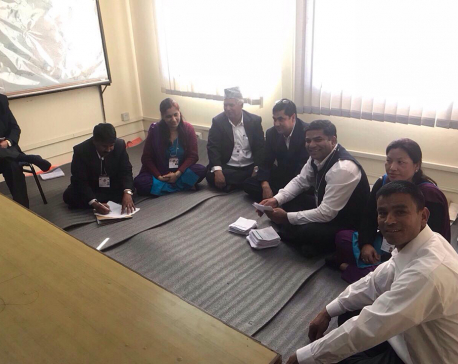
Vote counting begins
KATHMANDU, Mar 13: The counting of the votes of the Presidential election has begun at New Baneshwar on Tuesday afternoon. Read More...
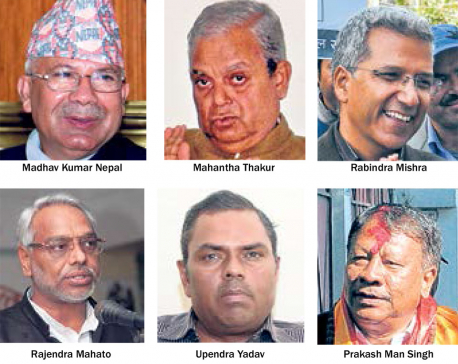
Some leaders to miss vote, others to be unable to vote for themselves
KATHMANDU, Dec 7: Some senior political leaders will be unable to vote for their own candidacies in Thursday’s first elections under... Read More...

UML high-level team meets CEC Yadav over Chitwan vote counting scam
KATHMANDU, May 30: A high-level team of the CPN (UML) has today reached the Election Commission to draw the attention... Read More...


First meeting of Nepal-China aid projects concludes
18 hours ago





Karnali CM Kandel secures vote of confidence
13 hours ago
Just In
- World Malaria Day: Foreign returnees more susceptible to the vector-borne disease
- MoEST seeks EC’s help in identifying teachers linked to political parties
- 70 community and national forests affected by fire in Parbat till Wednesday
- NEPSE loses 3.24 points, while daily turnover inclines to Rs 2.36 billion
- Pak Embassy awards scholarships to 180 Nepali students
- President Paudel approves mobilization of army personnel for by-elections security
- Bhajang and Ilam by-elections: 69 polling stations classified as ‘highly sensitive’
- Karnali CM Kandel secures vote of confidence
Leave A Comment