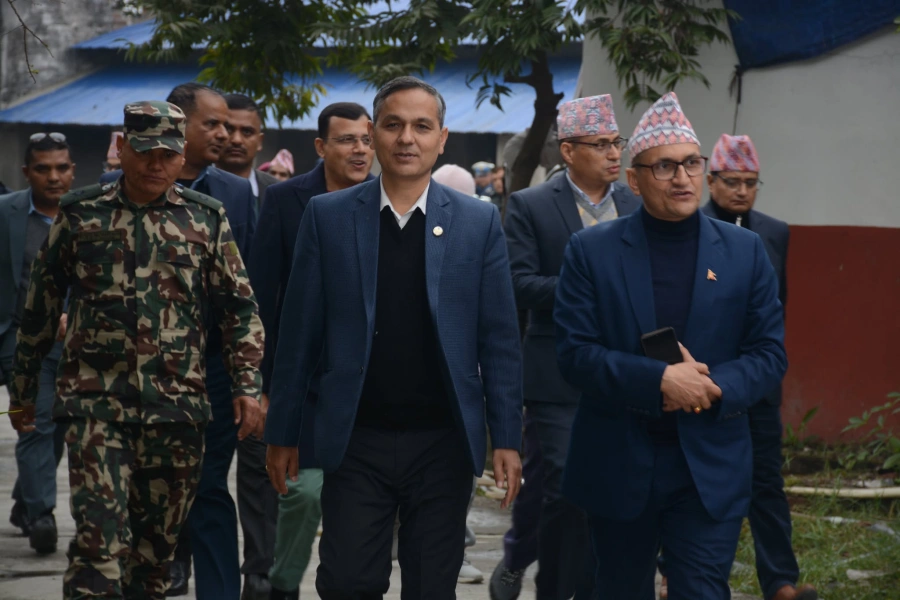
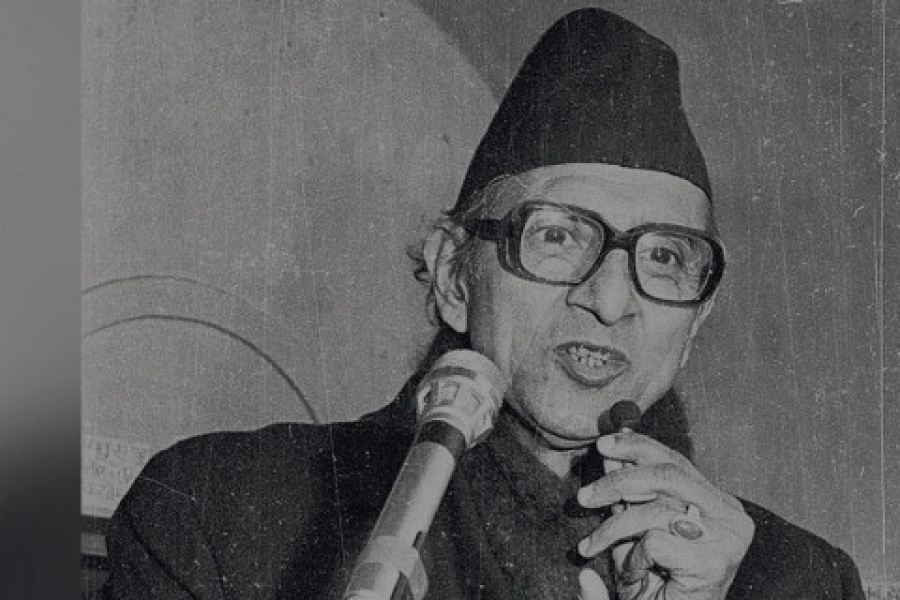
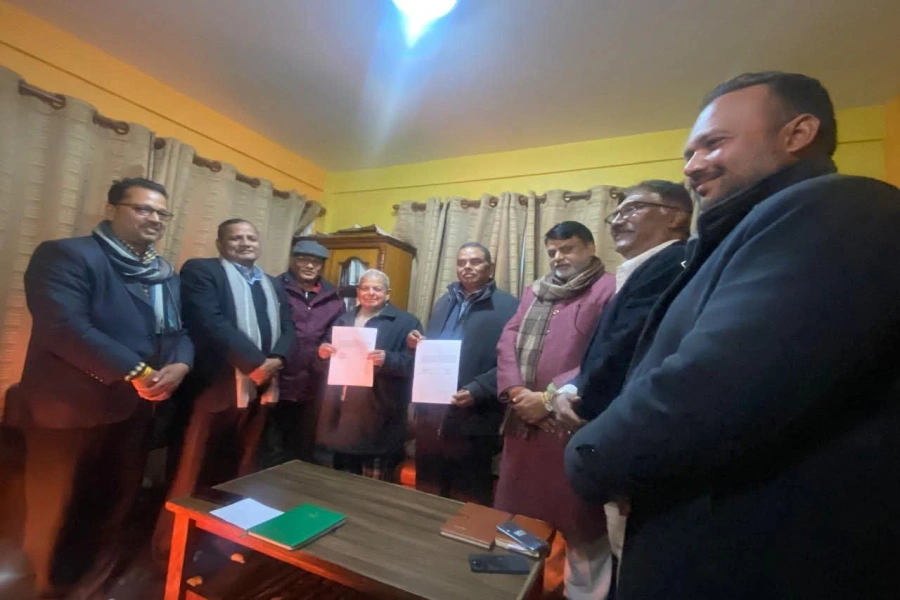
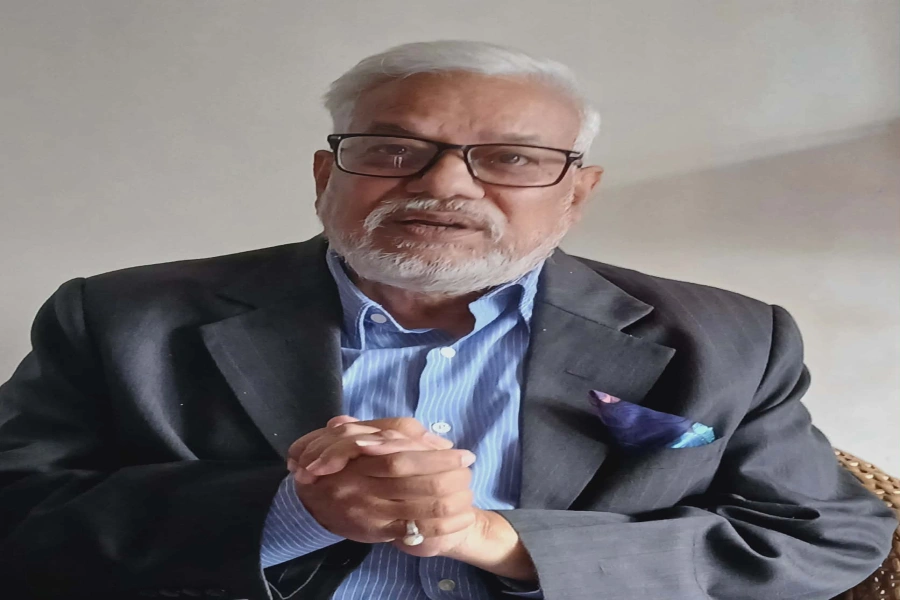
Nepali Congress leader Ram Chandra Poudel is leading the protest against the UN secretary general, arguing that “the UN should not direct us to do this and that”. But Nepal’s political leaders never before were so much concerned about the violation of internal sovereignty as they are with the statement of the UN chief, not even against the ongoing territorial aggression by India in the areas of Kalapani and Susta. It is well known that India has encroached upon and continues to illegally occupy more than 60,000 hectares of Nepali land at 61 different places across the country. Citizens have submitted a petition to the Supreme Court of Nepal, asking protection in the border villages from encroachment by India.
If Ban Ki-moon’s statement is contrary to the international legal norms, why is Indian domination welcomed?
It is unprecedented that the regime has reached a conclusion to denounce the UN secretary general’s suggestion for a national unity government. Do these leaders have courage to utter a single word against their Indian political masters? The Indian regime is frequently commanding Nepali leaders; isn’t that interference in Nepal’s internal matters? (with a specific distinction between the “people” and “government” in mind, I am using the term “regime” because “governments” are duty bound to respect its own people and observe the law and those who fail to follow the rules of non-interference are by definition known as “regimes”. This distinction applies whether it is in Nepal or elsewhere, including China).
The day Nepal’s ruling junta (the term “junta” signify unelected ministers) condemned Ban Ki-moon’s balanced statement on Nepal’s politics, the CPN-UML Chairman Jhala Nath Khanal was literally summoned (“invitation” was a diplomatic lie) by the Indian political establishment. The Indian Minister Pranab Mukherjee and Bharatiya Janta Party leader Lal Krishna Advani were politically tutoring Khanal about “consensus and unity among the major political parties”. Why is Nepal’s Maoist or non-Maoist party leaders’ frequent visit to India for political consultations not considered interference in any way whatsoever?
Here stands an important international law related question: If Ban Ki-moon’s statement is contrary to the international legal norms—or if it is a violation of the internal sovereignty of Nepal— why is Indian domination welcomed by Nepal’s politicians?
The regime is pretending to be courageous by protesting the UN secretary general’s statement but, in the process, it is chewing more than it can swallow. Or, will the regime also dare to oppose India on issues of interference, including territorial integrity of Nepal? Is the UN secretary general just a soft target whom Nepali politicians can condemn?
With legitimate presence of the UN Mission in Nepal, Ban Ki-moon’s statement is not contrary to the principle of non-interference under the UN Charter. The UN Mission is responsible to the UN Security Council and it is also accountable for the conclusion of the peace process. Nepal’s current oligarchy must be aware of the fact that the UN Mission in Nepal is the custodian of the Comprehensive Peace Accord (CPA), including issues related to army integration and discharge of disqualified rebel combatants.
The UN aims to bring all parties to the government for the conclusion of the peace process. The Indian rulers were against the UN Mission in Nepal from the start, now it is not a coincidence that Nepal’s rulers are on the same line with India, opposing the UN activities in Nepal. This is substantiated from the fact that the current rulers also reached a conclusion that “UCPN (Maoist) has violated the CPA.” This conclusion comes at a time when some of the leaders are against a national unity government openly demanding the dissolution of the elected Constituent Assembly, favoring an army backed presidential rule.
So long as neighbors maintain their boundaries, Nepal must be sensitive about its territory and interests. India’s involvement in the internal politics of Nepal and Nepali leaders’ political intimacy with their Indian masters is null and void, according to all international legal norms; it is demeaning to Nepali people’s integrity and therefore it must be condemned by the self-respecting citizens of Nepal as well as those Indian and Chinese citizens who believe in mutual respect and non-interference in the internal affairs of each other.
Related story
Convention against progress