

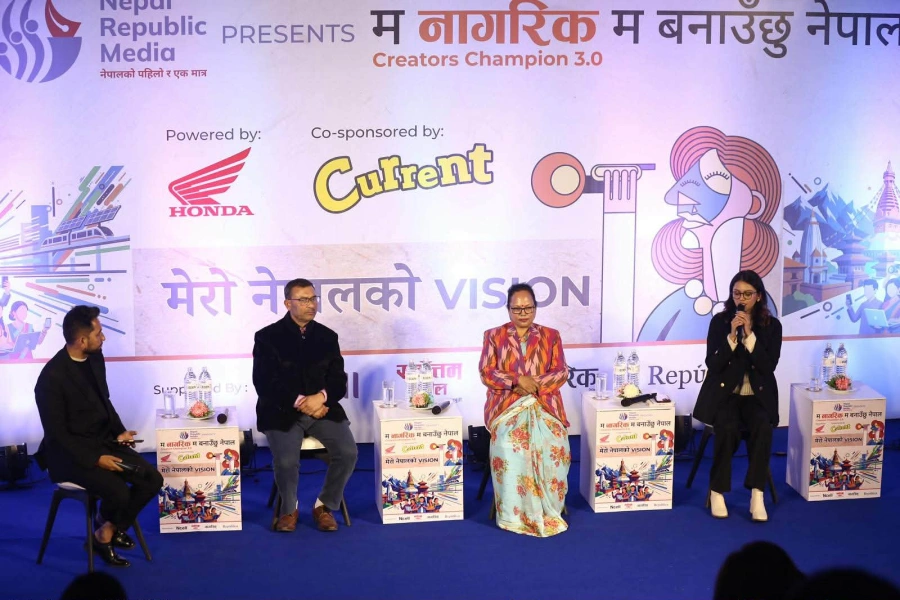
KATHMANDU, Feb 11: Senior Advocate Chandrakant Gyawali has said that voter education plays a crucial role in determining the outcome of elections.
Speaking at the programme titled “Ma Nagarik, Ma Banauchhu Nepal”, organised under Creators Champion Season 3 by Nepal Republic Media, Senior Advocate Gyawali stressed that merely casting a vote is not sufficient; citizens must also be aware of the kind of representative they are choosing and be able to identify candidates who will uphold, rather than betray, public trust.
He noted that elections are the cornerstone of democracy and that representative governance cannot function effectively unless citizens are well informed and conscious of their responsibilities.
Gyawali argued that when voters delegate their authority to elected representatives, the impact is directly reflected in the country’s system of governance. Therefore, he said, voter education must be given priority. Only the selection of qualified and capable candidates, he added, can strengthen good governance, development and democracy.
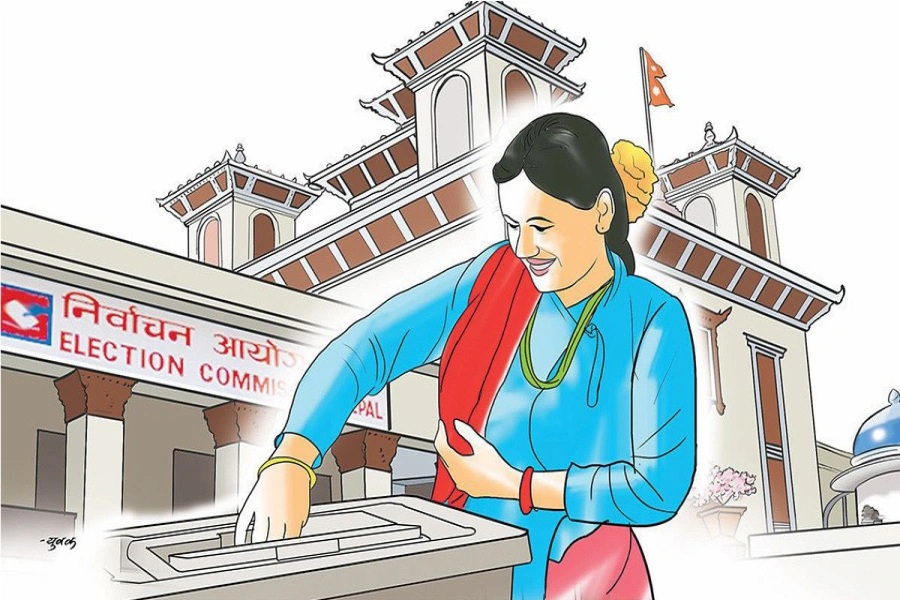
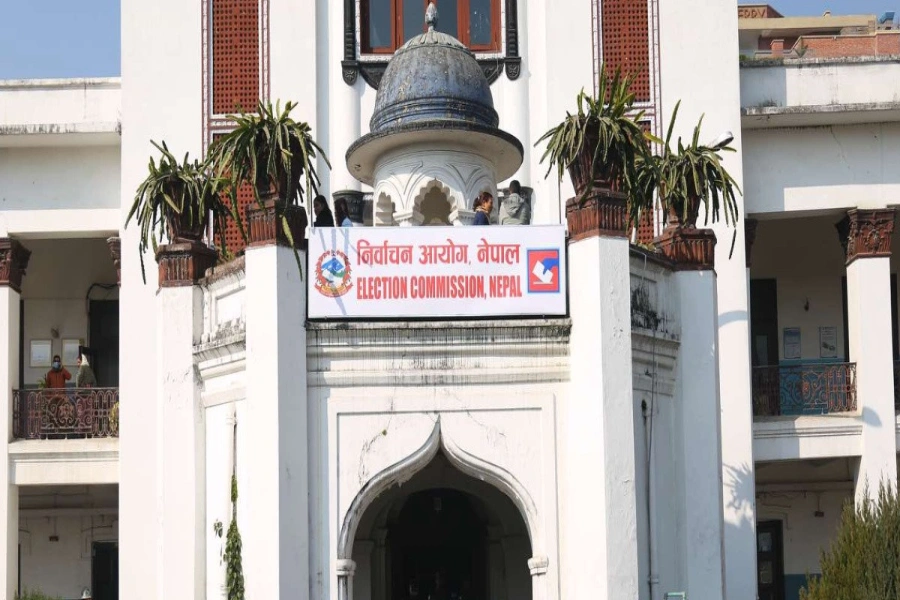
“Voter education includes correctly marking the ballot paper, but it goes beyond that. Voters must be informed about the candidates they choose and remain alert and aware. At the same time, the Election Commission and local governments must pay serious attention to voter education. In some cases, voters face difficulty identifying ballot symbols, and there is also the possibility of confusion being created by candidates. In the current context, voter education is essential. The Election Commission must take greater responsibility,” Gyawali said.
He clarified that voter education is not limited to reducing invalid votes. “Reducing invalid votes, helping citizens understand the significance of elections, and enabling them to vote for their preferred candidates are all components of voter education. Beyond that, voter education can serve as a catalyst in shaping the real outcome of elections,” he added.
Also speaking at the programme, Shanta Thapa, Deputy Mayor of Kageshwari Manohara Municipality, described the voice of the new generation as positive and welcome, while underscoring the need for thoughtful and responsible voting. She said that rather than voting impulsively in the name of change, voters should prioritise reason over emotion.
“There may be some shortcomings in voter education at the local level, but the local government is ready to collaborate with the Election Commission. We believe new programmes should be developed, and discussions are ongoing. If voters lack awareness and consciousness, they risk being deprived of the opportunity to elect capable representatives,” Deputy Mayor Thapa said.
Polls 18 days away: Voter education program until March 1
She described the growing demand among young people for good governance and corruption control as a positive sign of rising awareness. “The voice of the new generation is encouraging and necessary. However, decisions should be guided by reason rather than emotion — that is my belief,” she said, adding that in a democracy, sovereignty rests with the people and citizens constitute the fundamental strength of the state.
At the same time, she maintained that while seeking new alternatives, voters should not completely disregard the positive aspects, vision, plans and missions of established political parties. “Old parties are not merely old; they are established institutions. They may have weaknesses, but their contributions and constructive visions should not be overlooked,” she said.
Similarly, Gen Z representative Bhawana Raut said that although young people are enthusiastic about voting, the complexity of the voting process and structural limitations within the system are preventing many from exercising their franchise.
“Young people are eager to vote, but for those living abroad or outside their home districts, the voting process has yet to become accessible and convenient. The current electoral system does not provide sufficient flexibility. Even if Nepali citizens living abroad cannot vote at present, there should at least be provisions for inter-district voting within Nepal. However, the Election Commission has not been able to introduce such arrangements,” Raut said.
According to her, millions of young people who are outside their home districts due to foreign employment, study or work remain unable to cast their ballots on election day, despite being listed on the voter roll, because of geographical constraints. She observed that although youth are often described as agents of change, the system has, in practice, failed to fully accommodate them.
“There is an urgent need for voter education, particularly to bridge the understanding between what the previous generation delivered and what the current generation expects. First-time voters are decisive in the present context. Therefore, voter education must be prioritised,” she added.
Chandrakant Gyawali
Senior Advocate

Voter education plays an extremely important role in elections. It should be carried out before, during and after the electoral process, taking into account the specific needs of each phase. It is essential to consider what kind of education is required at each stage. Voters should understand whether their mandate can genuinely reach Parliament and whether they can vote freely and return home safely after casting their ballot.
The issue of free and competitive elections is closely linked to this. We must reflect on whether ballot papers and coercive elements can coexist. If they do, free and fair voting cannot be guaranteed. Voter education is a comprehensive programme that empowers citizens to vote fearlessly and independently.
Merely casting a vote is not enough; citizens must be aware of the type of representative they are electing. Elections are the foundation of democracy, and representative governance cannot function effectively without an informed citizenry. When representatives exercise delegated authority, it directly influences the country’s governance system. Only by prioritising voter education can competent and principled representatives be elected. The selection of qualified and capable candidates alone strengthens good governance, development and democracy.
Shanta Thapa
Deputy Mayor, Kageshwari Manohara Municipality

The voice of the new generation is positive and welcome. The demands raised by young people are often constructive and timely. However, in the name of change, reason must prevail over emotion — that is my firm belief. Youth interest in good governance and anti-corruption measures is growing, which is a positive sign of increasing awareness. This awareness should be integrated into voter education efforts.
While the voice of young people is necessary and encouraging, decisions must be guided by thoughtful judgement rather than impulse. In a democracy, sovereignty lies with the people; they are the ultimate source of state power. As citizens seek new alternatives, they should not entirely dismiss the positive contributions and visions of established political parties. The achievements and constructive agendas of older parties should not be forgotten.
Women’s empowerment must also be prioritised. Women are gradually stepping forward, balancing household responsibilities while asserting their rights in public life. In all these matters, voters play a crucial role. Effective voter education will encourage citizens to support candidates committed to social transformation and inclusive governance.
Bhawana Raut
Gen Z Campaigner

Gen Z youth are enthusiastic about participating in elections. However, the complexity of the voting process and structural limitations within the system continue to prevent many young people from exercising their rights. Although youth are eager to vote, the process remains inaccessible for those living abroad or outside their home districts.
Millions of young people who are away from their home districts due to foreign employment, study or work are unable to vote on election day despite being registered on the voter roll, owing to geographical constraints. While youth are often described as agents of change, the system has yet to fully include them in practice.
We have consistently advocated for making the electoral process more accessible. The Gen Z movement brought together leadership from across sectors. However, the current procedures themselves are limiting participation. We have maintained that Nepalis should be able to vote regardless of their location, but the Election Commission did not move forward with this proposal, citing time constraints.









-1779842101.webp)






