The executive and the legislature had knocked on the SC door demanding review of the apex court verdict that said the CA term would automatically expire in six months following its last extension on November 31, 2011. [break]
Both government and legislature had argued that the SC had infringed the jurisdiction of parliament while issuing its verdict on CA term extension, and sought that the ruling be reviewed.
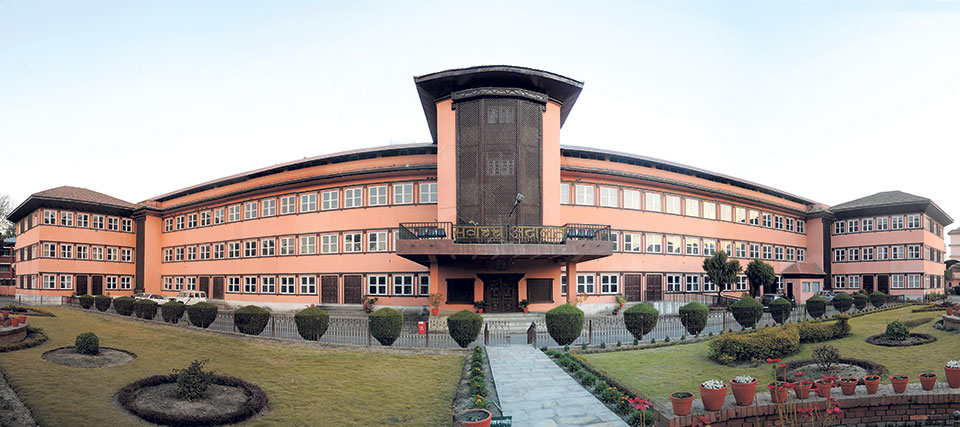
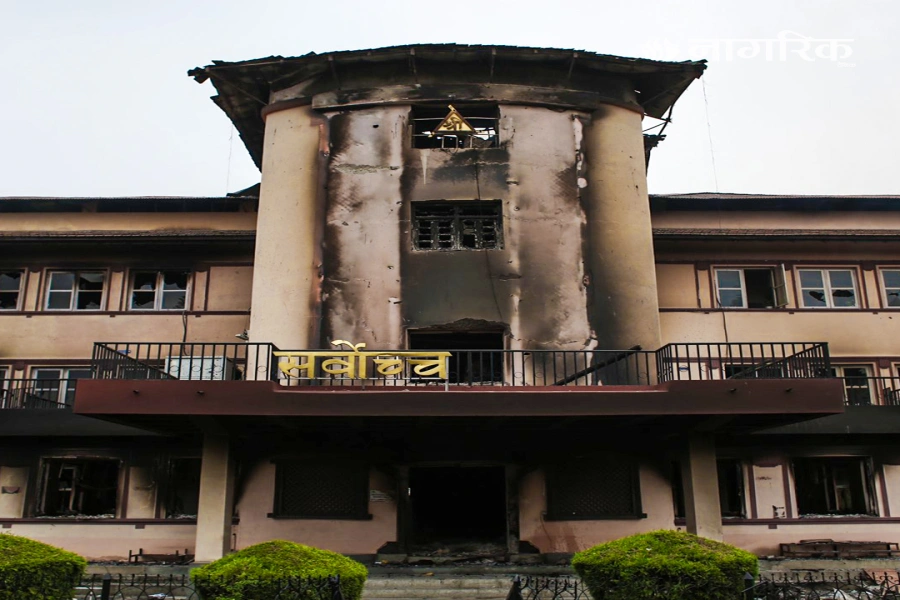
However, following two days of study and analysis, the SC administration decided not to accept the review petitions filed by the executive and legislature.
The decision document to this effect was signed by SC Joint Registrar Nahakul Subedi.
The Judicial Administration Act 2048 BS says the SC can register review petitions against its verdicts or decisions if these have violated legal principles and precedents.
According to SC Co-spokesperson Hemanta Rawal, the apex court refused to accept the review petitions mainly on three grounds.
Firstly, the petitions were rejected as the SC verdict was not found to have grossly infringing any constitutional provision. Secondly, they declined to take up the review petitions as they were satisfied that no crucial evidence had gone missing [or was overlooked] during the time of the verdict. And thirdly, the petitions were refused as the SC´s November 25 verdict was not adverse to any precedent.
"The petitions could have been registered had the executive and legislature established that the aforesaid grounds were overlooked by the SC while coming up with its verdict," Rawal added.
The SC administration also cited a recent precedent. It had refused a review petition filed against the apex court verdict of November 4, 2010 concerning CA term extension. The verdict was issued by the SC special bench comprising Justices Bal Ram KC, Girischandra Lal and Prakash Wasti
Following the special bench ruling that the term of the CA cannot expire until it promulgates the constitution, writ petitioner Bijaya Raj Shakya had filed a review petition at the SC against the ruling. The apex court administration refused to take up his review petition. Petitioner Shakya then filed an application against the decision of the SC administration. His application was taken to the bench of SC Justice Tarka Raj Bhatta. Justice Bhatta´s bench, however, upheld the administration´s decision not to register the review petition.
In its decision on the writ petitions Tuesday, the SC has also cited two more precedents on how the apex court had declined to take up review petitions in the past. According to the SC, the question of whether or not to take up review petitions was already settled through a full bench. "A review petition involving lawyer Ram Krishna Niara was settled through a SC full bench which said that rulings issued by a full bench cannot be reviewed," reads the decision signed by Subedi.
Similarly, the SC administration said that decisions issued by a special bench cannot be reviewed.The decision document has cited the precedent involving review petitioner Prakash Mani Sharma.
What next?
As per existing legal provisions, following the refusal of the SC administration to take up their review petitions, the petitioners can still file an application at the apex court demanding re-consideration of the decision through the bench. If the government and parliament file applications against the court administration´s decision those applications will be taken directly to the bench of a justice.
The justice will then decide whether or not the administration´s decision to refuse registration of petitions was correct. If the justice says that the administration´s decision was appropriate, the chapter will be closed. If the justice says the decision was inappropriate and the review petitions should be registered, a new process will then begin.
Meanwhile, constitutional experts say that the recent developments between the executive, parliament and the judiciary could have severe ramifications for the long run. "It is clear that these institutions are most likely to engage in confrontation," said one expert.
Related News:
Related story
Hearing continues on writ petitions against constitutional appo...