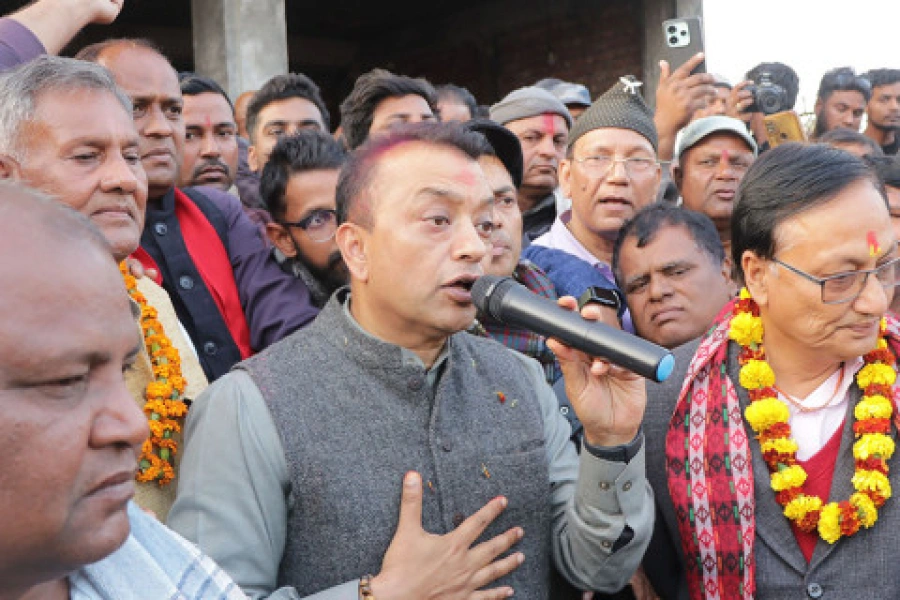
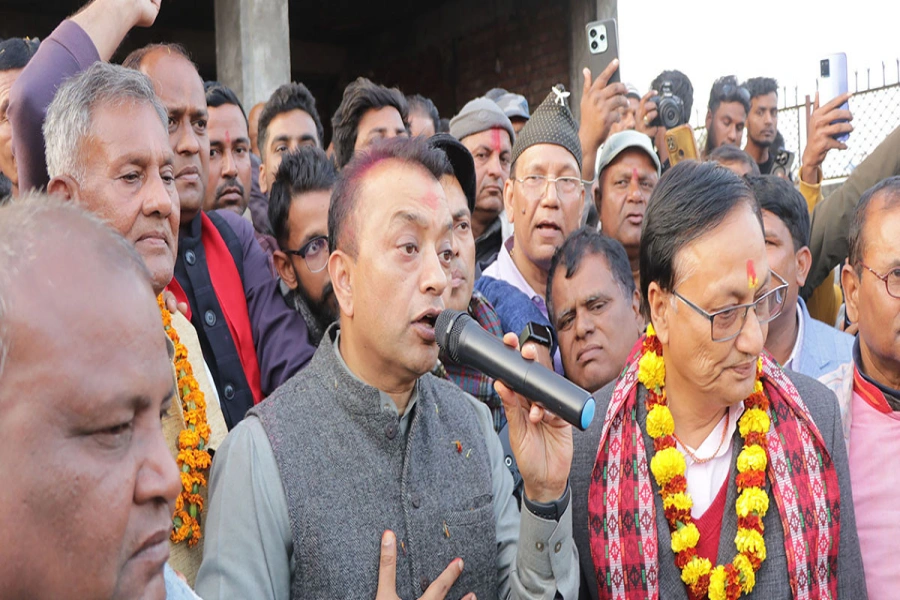
A recently held general meeting of the federation took the decision and also announced to launch a campaign against ´sales of tampered cylinders´, referring to low pressure bearing capacity and high possibility of leakage in tampered cylinders.[break]
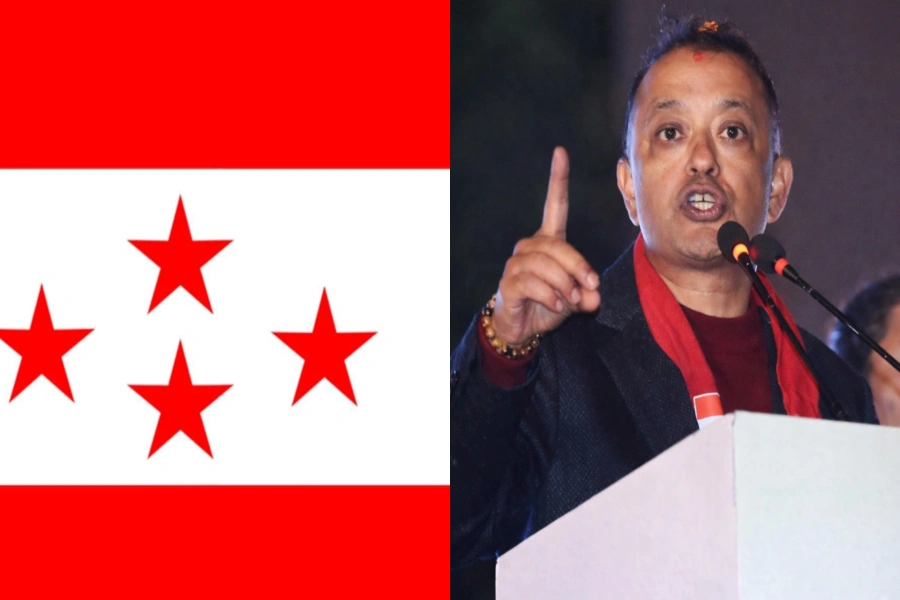
“Tampered cylinders are risky and considering this sensitivity, we have decided not to retail such cylinders,” said Gyaneshwor Aryal, former president of the federation. He told Republica that the federation was soon circulating its decision to all its members for strict implement of the decision.
The decision federation, if implemented sincerely, will contribute immensely in consumers´ safety. However, consumer rights activists expressed skepticism over its implementation, particularly as dealers retailing the popular cooking gas are sales outlet appointed by LPG bottlers and they operate as per their guidelines. Also the federation has not worked out mechanism and action plan for implementation of the decision.
Nonetheless, consumer rights activists have welcomed the decision, particularly as it has come at a time when the government itself is showing laxity in taking action against LPG bottlers circulating tampered cylinders.
If an estimates of the federation, which officials at the Nepal Oil Corporation (NOC) also refers to, is anything to go by, around 800,000 tampered cylinders are in circulation in the market. Bottlers will need to invest around Rs 1 billion if they are to replace tampered cylinders with new ones.
Officials of the federation doubt the companies that are involved in unfair business practices will make such a huge investment to switch to fair business. “But we will collaborate more with the companies and work together for fostering fair business practices,” said Aryal.
The gas retailers have also decided to push the government to waive off value added tax on LPG. Currently, the government is imposing 13 percent VAT on LPG, which going by the existing retail rates enables the state to mobilize Rs 214.60 per cylinder (of 14.2 kg). But as the government is compelling the NOC to sell the product at the squeezed rate, the corporation is suffering a loss of Rs 339.29 per cylinder.
“If the government exempts VAT on LPG, it will straight away bring down the NOC loss to around Rs 120 per cylinder,” the federation has argued.
NOC too has long been pushing for VAT waiver on LPG, particularly arguing that commercial ventures like hotels are enjoying the VAT refund anyway.
However, Ministry of Finance has consistently denied the request, citing that the NOC´s claim was not completely true. It has been urging the government to go for price hike, instead of tax waiver in a bid to manage NOC´s loss.
Related story
Expiry date of LPG cylinders lacks monitoring