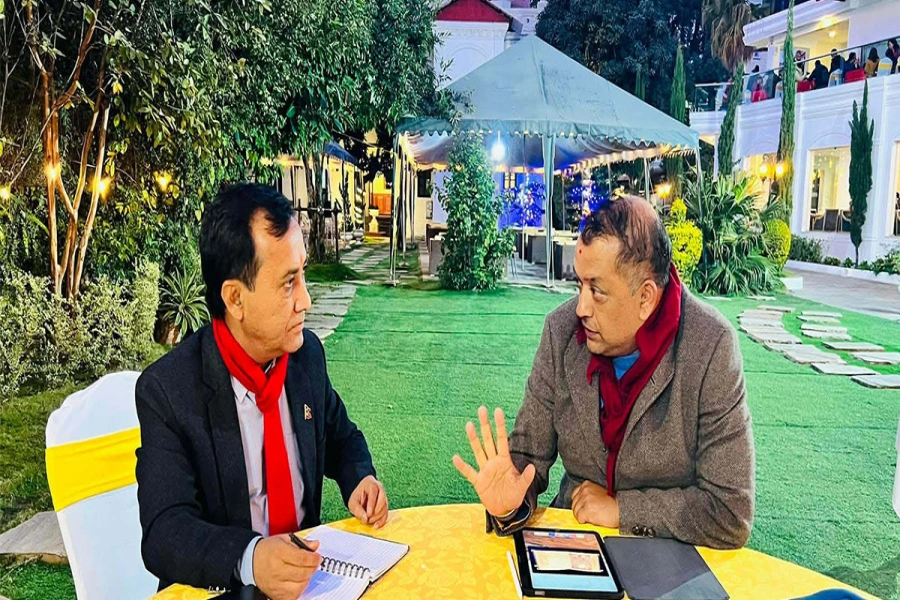
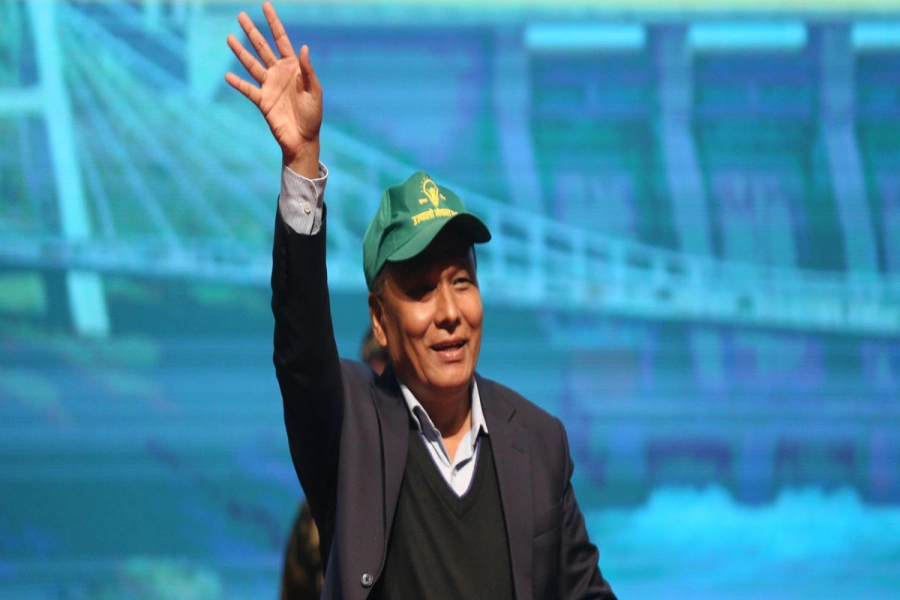
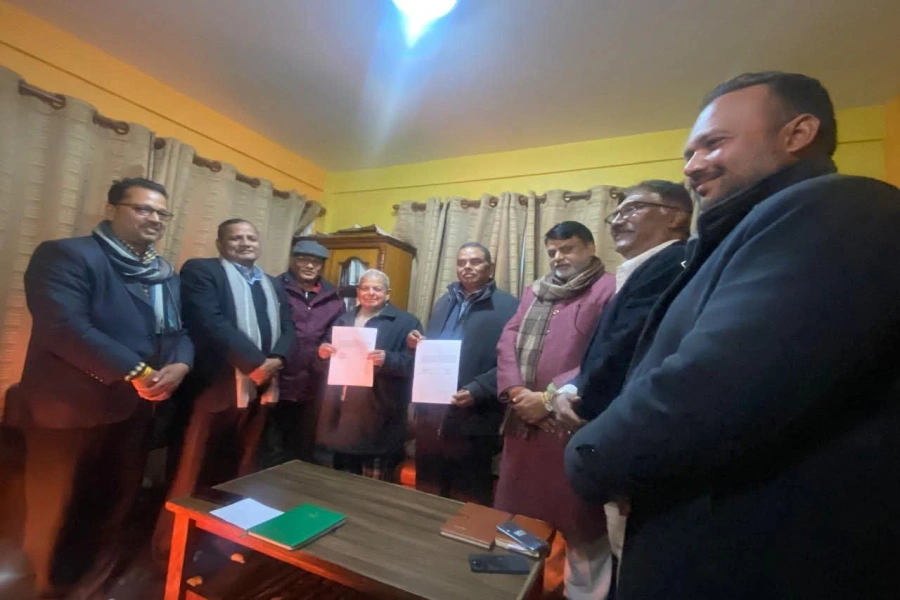
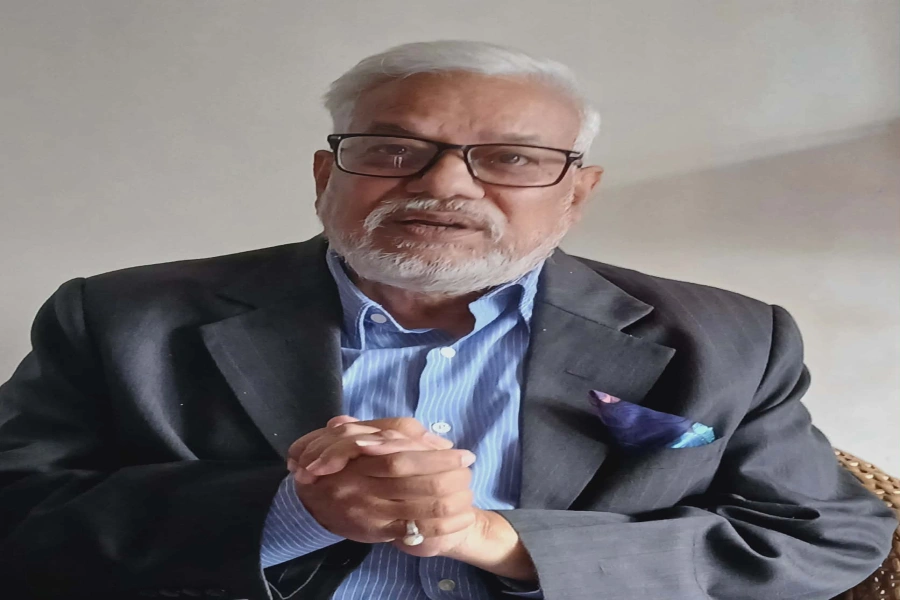
Speaking at an interaction organized by Nepal Republic Media on Wednesday, they also recommended governance efficiency and the promotion of track-2 diplomacy that includes the private sectors of both countries, for the immediate resolution to the current crisis. They likewise recommended effective talks with the agitating Tarai-Madhes centric parties, and with India.
In the absence of inter-governmental cooperation, it has taken long to seal a commercial petroleum deal with China, they observed, adding that government inefficiency has fuelled the black market, and the state coffers are losing Rs 3 billion in revenue from petroleum imports. "Consumers are compelled to pay Rs 400 per liter of petrol and Rs 6,000 for a cylinder of cooking gas in the black market and the government is losing Rs 3 billion in revenue from petroleum products," said trade economist Purushottam Ojha.
If the government does not rein in the black market immediately, it could hit the state mechanism and the state machinery will be unable to function, he added.
Likewise, suggesting that the government immediately start talks with the agitating parties and ensure energy and food security, he said India should be dealt with diplomatically. "Nepalis were united during earlier blockades by India," he said, "However, this time they are divided, which has given room for outsiders to interfere."
The Indian blockade violates international, regional and bilateral treaties, Ojha added. "Nepal, as a member of the World Trade Organization, must internationalize the violation of its rights as a land-locked country," he said and also criticized the government for its lack of diplomatic skill. "The delay in signing a commercial agreement for the supply of petroleum products is also unacceptable to the people," he said.
Nepal needs to have good trade relations with both India and China, he suggested, adding that it is not good to play India against China.
Likewise, entrepreneur Ananda Bagaria said that the government should immediately start effective talks with the agitating political parties, and chart out short, medium and long term programs to address crises such as the current one. "It's high time Nepal revised the Nepal-India trade treaty for the greater benefit of Nepal."
The government should hold talks and promote domestic production in the short term, whereas in the medium term it should prioritize agriculture, and boost exports to India to develop interdependency in the long term, he suggested. The government should also revise its policies and promote indigenous industry to develop a self-sustainable economy in the long term.
Nepal Freight Forwarders Association president Rajan Sharma seconded Bagaria's ideas. "In the short term, the government should use diplomatic, political and human rights tools to solve the current crisis, whereas in the long term, it should develop hydropower and open the six customs points on the China border, apart from revisiting the Nepal-India Trade Treaty," he suggested. The Chinese government had earlier asked Nepal to work on opening the six customs points on Nepal-China border.
Asking the government to sit with the private sector to chart out a plan to fight the current crisis, Sharma said the government has not been giving an ear to the private sector, which was suffering badly.
Related story
Addressing multiple crises amid economic slowdown key priority...