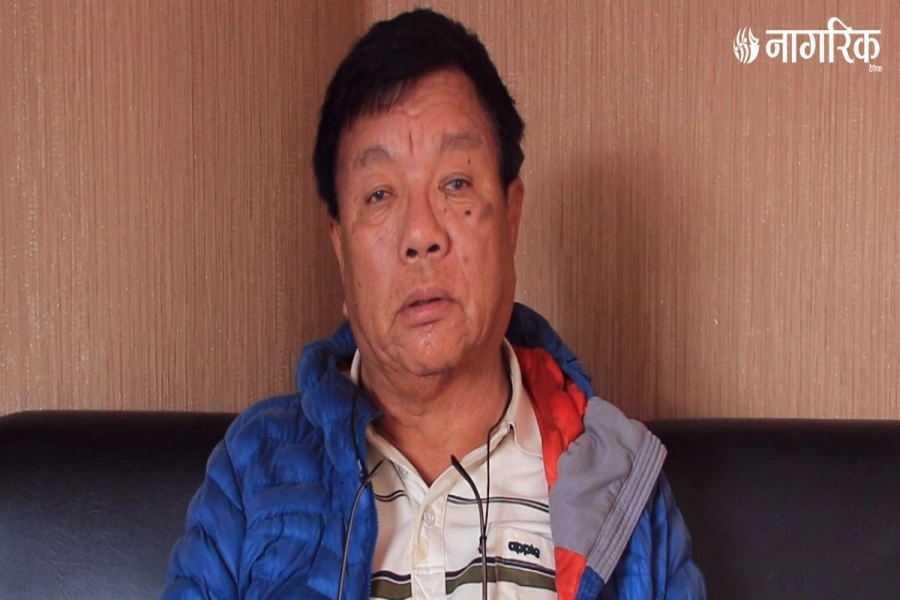
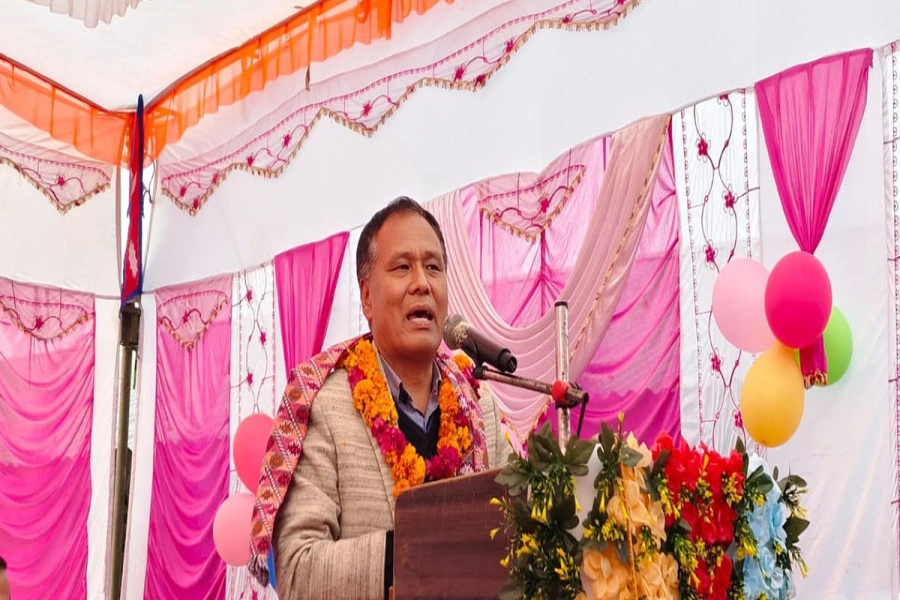
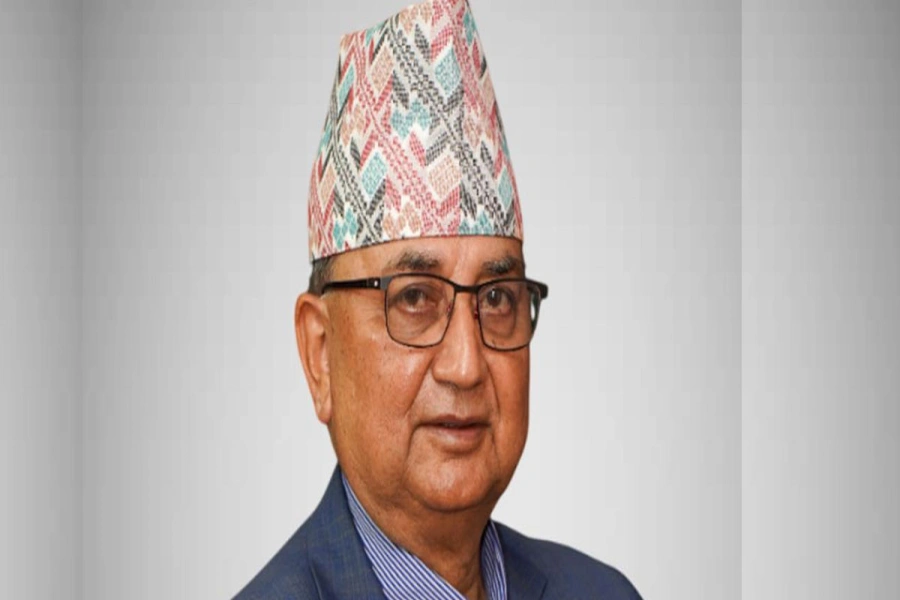
"Our department is not the only one working to rebuild communities across the 14 affected districts. We have to take many factors into account. As you can imagine there is a lot of coordination and cooperation that needs to take place. This will obviously take time," says a defensive Mainalee. He also lists a number of meetings he is scheduled to take to move the plans forward. Though he hesitates to state a definite date as to when the reconstructions may officially begin, he asks those who are curious to log onto the Ministry of Urban Development's official website and get the latest updates because "they are trying their best."
The dip in the temperatures has made the entire country even more painfully aware of the fact that the post earthquake reconstructions is in complete disarray. Especially in the current political and economical state of the country, we shudder to think how those particularly in the remote areas will fare. So far it seems the government won't be ready to assist quake victims to build a roof over their heads anytime soon. Thus in this instance, the only saving grace are those individuals and organizations who have been independently directing their attention, energy and funds to the cause.
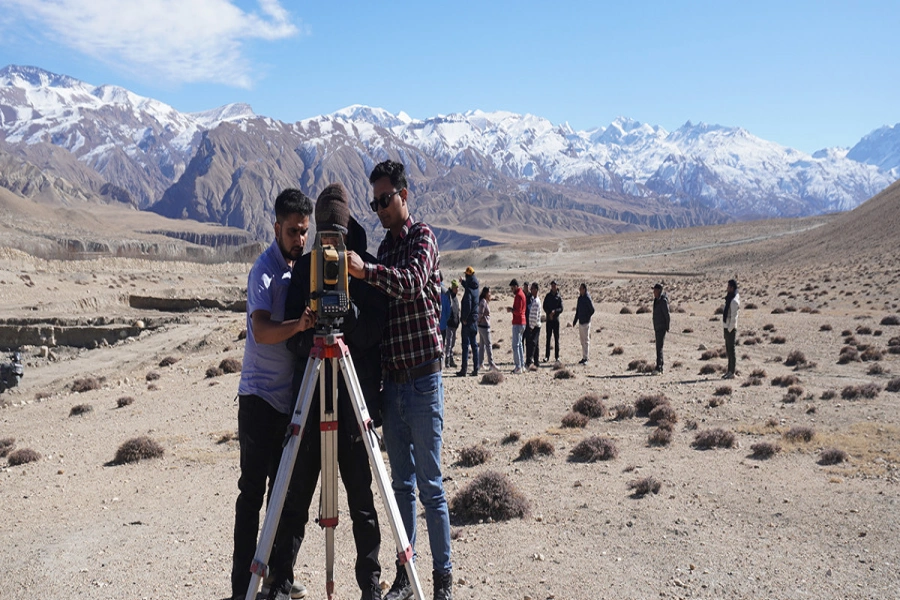
"We were recently in Lamjung for an initial land survey. Since we are building a permanent brick and mortar infrastructure for the community there, it's necessary to do this. Now the plan is to go there again next week and continue our work," informs Ashik Rai, 28, founder of Saath.
The organization which was actually established with the vision of standardizing education system and youth empowerment has been engaged with reconstructions ever since the beginning of the year. Apparently Rai and his engineer friend, Pramod Rai, 21, had firsthand experience of the incredible discomfort children of the affected areas had to face inside their makeshift tarpaulin tent schools. While some students begrudgingly sat shirtless, fanning themselves through classes, many didn't even bother to show up. Then, Rai says, one day he witnessed a young girl trying to salvage her books from the rubbles that was once her school. At that moment, he decided that temporary learning centers were just as crucial.
"Initially we too spent a good chunk of our donations on tents and rice. In hindsight, I feel like that was a bit of a waste. We could have directed those funds to build something substantial for the future," says Rai. So together with his friend Pramod's engineering expertise, they have completed a temporary learning center in Paluntar, Gorkha. It remains the only standing building deemed safe in the area. They have also finished carrying out surveys, designs and discussions with stakeholders for a similar project for a Chepang centered Praja basti and they are keen to get the work started in Lamjung too.
While the government's reconstruction efforts are entangled in bureaucracy, informal groups, individuals and organizations like Saath are pulling through. It's not that they have it easy, it's just that they are determined to help.
"The last TLC we built cost us around a hundred and sixty thousand rupees. We are obviously not a big organization. Our funds have been contributed by friends, families and acquaintances in Nepal as well as those living abroad. We appreciate it and make sure all of it goes to the reconstruction process. We take many measures to reduce overhead costs as well," says Pramod Rai.
He explains how they have been hiring local manpower and trying to use local materials as much as possible. But that's not all, in efforts to not spend on themselves, they have also been living with the locals, eating with them, sometimes even surviving on a diet of corn alone. With monsoon, the festivities, the constitution and now the blockade, things are far from ideal to continue their rebuilding projects but Saath has every intention of making it happen.
There are many examples of such small independent reconstruction efforts taking place around the country. We hear of engineers coming together to build prototypes. We hear of expats contributing to rebuild some houses of their maternal or paternal villages. We know of many Nepalis right here in the country collaborating with various agencies or forming their own groups to do whatever they can.
It would certainly be convenient if we had an official record of all the efforts that have been going on, but there isn't a total tally from a reliable source yet. Even though all reconstruction teams and plans have to be notified to the government and registered under their 'shelter cluster' program, the Ministry of Urban Development wasn't able to share much information on the matter.
Sarju Shrestha, 25, an engineer who was actively involved in similar rebuilding projects from Kavre to Gorkha shares, "If we are talking about make-do shelters, one that was just meant to give people shade and a place to rest, then we could say around 80% to 90% of reconstructions have been completed. However, if a standard accommodation is the concern, then from what I have seen outside Kathmandu barely 20% of people there have managed to rebuild their lives."
Shrestha also talks about how he and his team of engineer friends had convinced a Khalsa Punjabi group from India to help them construct semi temporary house designs that they had specifically created to help earthquake victims who had become homeless. They had contacted the sponsors through Facebook and it was apparently relatively easy to get funded. However, the real problems arose while they were trying to implement their plans.
"Our experience was a chaotic one. We had a 15 day mission to build around 106 houses in Ojetar, Kavre but it was very challenging to mobilize the required manpower. We tried to involve the villagers but since just six people were doing it, we were only successful to a certain extent. Then while working with the same prototype with a local agency in Gorkha, there were official issues. We had disagreements with the CDO office. Plus there was an instance where many of our tin roofs were stolen. It was tricky to be systematic and efficient in such situations," says Shrestha.
Despite many such hurdles, voluntary reconstruction missions (though less in number) are still underway. The government promises to join the ranks soon but while the wait for that continues, thankfully there are those who are committed to the cause. For instance, Ashik Rai and Pramod Rai from Saath have decided to hit pause on all their other projects and solely work on earthquake reconstructions for an entire year. After realizing that it is easier to engage in rebuilding communities via an organization, Shrestha too has joined a formal group and is soon about to start work. In this dismal state of the country, it is quite the task to carry out such independent efforts, but for the foreseeable future, this seems to be many Nepalis best bet.
priyankagurungg@gmail.com
Related story
Man killed by his own younger brother